 日本語
日本語 





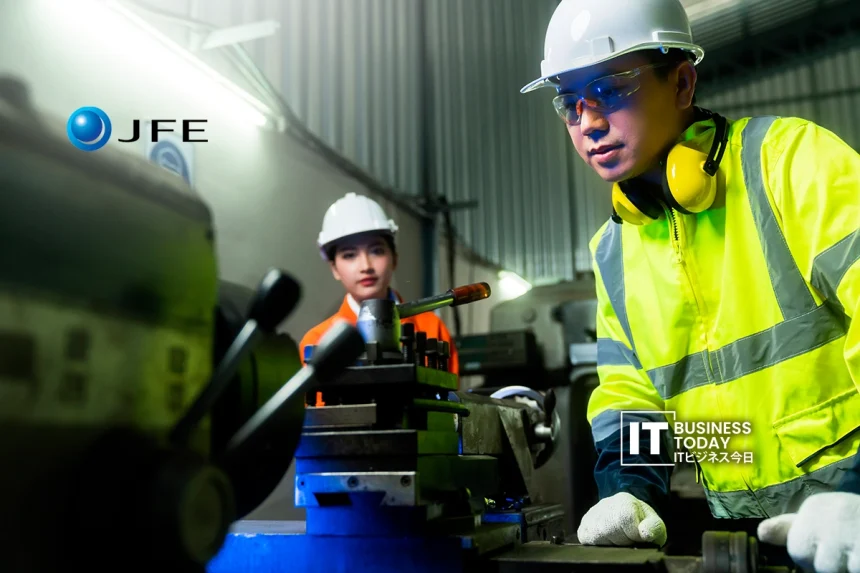
Japan has made a substantial move towards reducing the carbon footprint from one of its biggest emitters through the production of the first-ever DRI with green hydrogen in Japan from JFE Steel. This milestone in the development of the hydrogen economy for iron reduction in Japan was reached by the company through a pilot plant at East Japan Works in Chiba with funding from the government-sponsored R&D program.
The pilot plant with the support of NEDO managed to produce around one tonne of hydrogen reduced iron over three days from a pilot plant with a capacity of producing 15 kg per hour. Green hydrogen is generated through renewable energy at the research facility of Yonekura-yama in Yamanashi Prefecture and then shipped to the Chiba pilot plant for testing. The success of the pilot shows that iron ore can be reduced through green hydrogen rather than coal.
A Breakthrough in Green Steel Production
The conventional method of steel production utilizes coal- or coke-powered blast furnaces that are responsible for high amounts of carbon dioxide emitted by the steel industry into the atmosphere. Steel production alone in Japan produces around 14% of the total amount of greenhouse gases emitted in this country, while the global contribution of the steel industry to the annual amount of greenhouse gas emissions ranges between 7% and 8%.

Also Read: Mitsubishi Heavy and Green AI Strengthen Smart Industry
Direct Reduced Iron allows reducing oxygen from iron ore without the use of coal. With the use of hydrogen that has been extracted through the use of green energy sources, it has the potential of producing steel with the emission cut of more than 90% as compared with traditional methods. Despite its costliness and complexity, it is now considered as the solution for low-carbon steel production.
Government and Industry Collaboration Driving Innovation
This success is part of the wider hydrogen energy policy of Japan through its agency NEDO using the Green Innovation Fund. The research is conducted by the Hydrogen Steelmaking Consortium (GREINS), which was established in 2022 by JFE Steel, Nippon Steel, Kobe Steel, and the Japan Research and Development Center for Metals (JRCM).
The key objective of GREINS is to create direct hydrogen reduction processes which will be able to work efficiently with commercial steel production, significantly reducing the emissions of CO2. This success illustrates that the use of green hydrogen in conjunction with new steel production technologies is highly efficient.
It has been announced by NEDO that the funding of the project will continue, and at the same time, the necessary infrastructure will be developed.
What This Means for Japan’s Technology Industry
This successful trial of hydrogen-powered DRI not only applies outside the steel industry but also signifies the rising dominance of Japan in industrial decarbonization technologies.
With industries moving towards reaching net zero emissions, there will be a need for innovative electrolyzers, hydrogen production systems, renewable energy generation, industrial automation, monitoring systems, and AI-driven manufacturing. This means there will be an opportunity for companies that specialize in industrial IoT, process controls, predictive maintenance, and energy management as the hydrogen production plants become more advanced.
It also positions Japan favorably within the global hydrogen economy due to the country’s efforts in developing hydrogen transport solutions, fuel cells, ammonia logistics, and renewable energy solutions.
This presents an opportunity for Japanese firms to export their technology related to hydrogen production, smart manufacturing, industrial software, and carbon reduction technologies to countries seeking similar decarbonization solutions.
Impact on Businesses Across the Steel Value Chain
For steel makers, hydrogen-powered DRI will provide a new economic foundation during the next decade. While large amounts of money will be needed before being ready to use commercially, the companies that choose to adopt this approach early will have the opportunity to comply with stricter regulations while fulfilling increasing consumer demands for sustainable materials.
Automotive makers, construction firms, electronics companies, and infrastructure developers face increasing pressure from all directions to limit the amount of emissions along the entire value chain. The availability of environmentally friendly steel will help them to decrease their carbon footprints.
Investors pay increasing attention to environmental performance of industrial companies. Companies that can produce steel with lower carbon content will have an advantage over competitors, both domestically and internationally, especially with the implementation of carbon border adjustment measures becoming more common.
Challenges Remain Before Commercial Scale
Even after the success of the test, a lot still needs to be done before the commercial viability of hydrogen-based steelmaking is achieved.
Commercial implementation would need large amounts of green hydrogen, more production of renewable energy, better hydrogen transportation infrastructure, and further innovations in CCUS. There are many steel producers around the world that have postponed the implementation of their hydrogen DRI projects because of high costs involved.
Nonetheless, the latest accomplishment by Japan shows the way forward towards solving the technical issues in hydrogen steelmaking.
Looking Ahead
The successful production of Japan’s first green hydrogen direct reduced iron by JFE Steel is another significant step on the road to decarbonizing Japan’s industry. Although there is still need for further technological and infrastructure development for commercial purposes, the pilot proves the ability of hydrogen to revolutionize one of the world’s most polluting industries.
In line with Japan’s efforts towards carbon neutrality, innovations such as these will be key to establishing Japan’s position as a leader in green manufacturing, hydrogen, and industrial innovation. For manufacturers and companies that are involved in the manufacturing, clean energy, and industrial technology sectors, the process of steel production using hydrogen is both an environmentally and commercially significant innovation.


 English