 日本語
日本語 





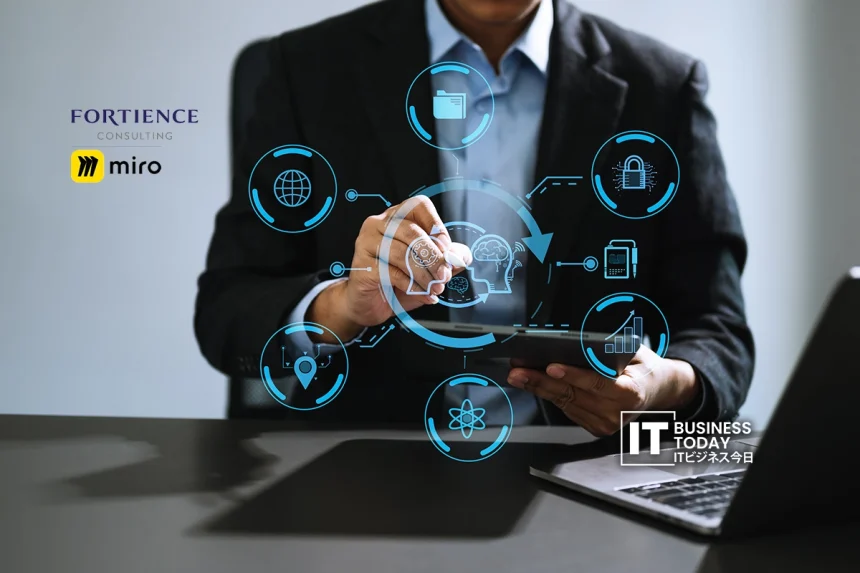
Miro and Fortience Consulting have started working together on a new approach for supply chain operations. The focus is on making SCM decision making less fragmented and more collaborative by bringing AI into the workflow without removing humans from the process.
The partnership combines Miro’s visual collaboration platform with Fortience’s experience in supply chain reform, S&OP operations, and business transformation. The companies want to build a new operating model where AI helps teams prepare, organize information, surface risks, and structure discussions before meetings even begin.
One of the big reasons, well, is the growing strain on supply chains at the moment. Demand swings, geopolitical uncertainty, labor shortages, and environmental issues are making it kind of harder to oversee day-to-day operations, day by day, you know? At the same time many companies keep developing disconnected supply chain conversations, like it’s somehow separate. Teams sit in a meeting, looking at the same data and still walk out with different interpretations. Instead of solving problems, a lot of time is spent explaining decisions over and over again.

Also Read: OBC and Miyagin Digital Expand Regional DX Solutions
Miro’s platform serves as the shared workspace where documents, diagrams, videos, reports and exchanges can all live together in one place. Its AI tools help you regulate large amounts data, summarize conversations and highlight important points faster. Fortience brings the operational and SCM expertise into that setup.
The companies are also making it clear that AI is not supposed to replace decision making. Final judgment still stays with people. The role of AI here is more like assisting teams to get the context, sooner and faster, so they can catch issues earlier. It also helps them spend less time setting up meetings or doing all the manual organizing of information, instead.
The collaboration shows where enterprise AI adoption is slowly heading now. Companies are starting to realize that just tossing AI tools into their day to day workflows isnt really enough. The tougher part, is not only the tech it is the fixing of how teams talk, stay aligned, and decide when things get tense or fast paced, really under pressure.

 English