 日本語






Japan can’t just power its renewables problem with more solar and wind. Electricity has to be available when people and industries need it, and weather won’t adapt to that. Here’s where long-duration energy storage (LDES) plays a role, by storing excess power and releasing it during long periods of low generation or high demand to bridge the chasm between supply and demand. Japan has two jobs: keep the lights on and low carbon in some of the world’s most energy intensive industries. This article will look at why LDES is bulking up in Japan, which technologies can do it and what recent policy and commercial developments portend for what comes next.
The Core Challenge and Why Japan Needs LDES Now
 Japan’s energy problem goes well beyond generating more renewable electricity. The country has no cross-border grid links with its neighbors, so it can’t import power when domestic supply runs short. Europe’s interconnected markets can lean on each other. Japan can’t. That puts extra pressure on domestic generation, storage and grid flexibility.
Fukushima in 2011 also made things look different. After a large swathe of the nuclear fleet was shut down, Japan has relied even more heavily on thermal generation. Renewables have increased since then and the overall transition is still in progress, but the challenge of removing fossil fuel generation without risking supply remains. The FY2024 energy statistics from METI show how difficult it is: thermal power accounts for 67.5 per cent of electricity generated in Japan.

Renewables introduce another wrinkle. The electricity generated by them relies on weather conditions rather than on demand. Lithium ion battery storage, which works in the short run (few hours of storage), works fast and redistributes power during the day, but cannot level out the low generation of power from renewable sources for several days. LDES closes the gap because it is designed to store power for a longer period of time and releases the power whenever more power is required. Without LDES, thermal storage removal from the system makes balancing even harder.
How LDES Can Anchor Grid Stability Amidst Renewable Expansion
Renewables create a timing problem. Solar often peaks in daylight, yet demand stays high after sunset. Wind swings with the weather. When the grid can’t absorb all the electricity being produced, operators sometimes have to cut renewable output. That’s called curtailment.
METI’s 2026 renewable energy policy material says output-control areas have spread nationwide. Simultaneous output control across several regions has risen as well, and total curtailment volumes are trending up. As Japan adds more renewable capacity, the need for flexibility only grows.
LDES can help in a few ways.
Load shifting lets you store excess solar and wind power when generation is high and release it when demand climbs. Afternoon solar can feed evening consumption, so the grid leans less on conventional plants.
Curtailment reduction gives operators another choice. Rather than cutting solar or wind output the moment there’s too much, storage can soak up some of the surplus and release it later.
Supply balancing deals with longer spells when renewable output sits below demand. Stored electricity adds flexibility and cuts the need to burn fossil fuels during shortages.
Grid flexibility is about how well the system responds as generation and consumption patterns change. How well any single project helps depends on where it’s located, how much transmission capacity is nearby and how it’s operated.
Storage won’t wipe out curtailment entirely. Still, without enough storage and other flexibility measures, Japan will keep producing renewable electricity its grid can’t fully use. LDES can turn more of that output into power people can count on.
Driving Industrial Decarbonization Beyond the Power Grid
The case gets more interesting once you leave the electricity network. Factories don’t use energy the way homes and offices do. Steel, chemicals and manufacturing often need continuous power, and some processes need high-temperature heat as well. Swapping those needs over to renewables isn’t simple.
Thermal and chemical storage can handle part of it. Thermal storage captures heat and releases it when a process calls for it, so a facility doesn’t have to burn fuel nonstop. Chemical storage, hydrogen included, turns energy into a fuel or industrial input that can be kept for later. Both can support decarbonization, though whether they fit depends on the process, the infrastructure and the cost.
Corporate Power Purchase Agreements (PPAs) matter here too. They let businesses buy renewable electricity, usually through long-term deals with producers. But matching a year’s worth of consumption to renewable generation doesn’t mean clean power is available in every hour a plant runs. Storage fills that hole by shifting energy from surplus periods to high-demand ones. Longer durations count most for companies that want a steadier renewable supply.
Japan’s FY2026 support programme is another commercial signal. The Ministry of the Environment backs commercial and industrial sites that adopt self-consumption solar and stationary batteries through on-site PPAs and similar arrangements. Eligible stationary battery installations can get subsidies of up to one-third of eligible expenditure.
That can improve the economics of solar-plus-storage projects, especially for businesses that want to use more of their own generation. But buying a battery is only part of the job. Industrial users also need to look at their operating schedules, their energy needs and what stored electricity is actually worth to them before committing to LDES.
Long-Duration Energy Storage Technologies Pioneering the Japanese Market
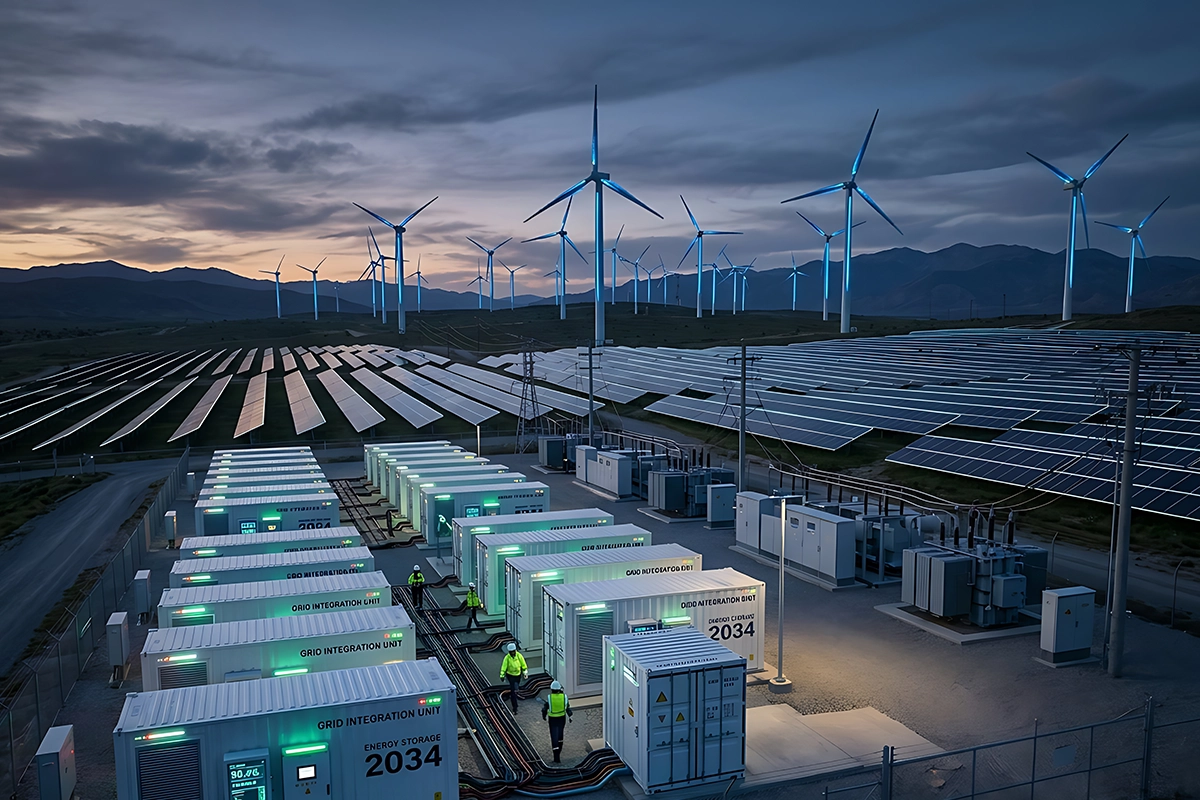 No single technology will meet Japan’s storage needs. Different uses call for different capacities, discharge periods and operating conditions. The country needs a mix of proven infrastructure and newer technologies that can serve grid operators and industrial users alike.
Pumped hydro is still one of the established options. Water gets pumped up to a higher reservoir, then runs back down through turbines to generate power. New projects are limited by suitable sites, environmental concerns and development requirements. Japan is still exploring this route. A proposed 100 MW-class pumped-storage hydropower project using the existing Shimouke and Matsubara dams in Oita and Kumamoto Prefectures is in preliminary environmental assessment. It isn’t operating yet, but it shows more pumped-storage capacity is on the table.
Flow batteries are another choice for longer durations. In some designs, power capacity and energy capacity can be adjusted more independently than in conventional batteries. That suits projects needing long discharge periods or flexible sizing. Whether they take off commercially depends on project economics, operating performance and how well they compete with other storage technologies.
Hydrogen and thermal storage widen the mix further. For instance, renewable electricity can power electrolysers to produce and store hydrogen until it’s needed for power production or industry. Industrial processes can also use high-temperature thermal storage to store electricity as heat for later use. These involve different conversion processes and infrastructure, so they shouldn’t be lumped in with grid-connected batteries.
The real opportunity in Japan is matching each technology to the problem it’s meant to solve. Grid operators may prioritize electricity storage. Industrial sites may get more from thermal or chemical storage.
Policy Support and the Road Ahead
Technology alone won’t carry Japan’s storage ambitions. Projects need regulatory backing, dependable revenue models and access to the grid. Subsidies can cut upfront costs, and research and demonstration programmes can show whether new technologies hold up in real operating conditions. But those measures have to end up as commercially viable projects. Policy announcements on their own don’t count.
METI’s grid-connection numbers show the gap between market interest and real deployment. As of December 2025, Japan had roughly 640 MW of grid-connected battery capacity. Around 30 GW of projects were sitting at the grid-connection contract application stage. METI also warns that applications don’t always turn into completed connections.
That gap deserves attention. A big pipeline suggests investors are keen, but it doesn’t guarantee a project will get grid access, financing or a sustainable operating model. Developers have to think about where the assets sit, which grid services they can offer and how they’ll earn revenue over their whole operating life.
Storage economics can be enhanced through capacity markets or other relevant electricity market mechanisms, such as paying for available capacity and/or grid services to potential plant types depending on their eligibility. An evidence base around funding and schemes such as the Green Innovation Fund can support this. Policy should reward the services storage assets actually deliver, though, and not just planned capacity.
Also Read: UiPath and Snowflake Launch Bidirectional Integration
The next phase needs tighter coordination between policymakers, grid operators, developers and industrial energy users. Transmission has to keep pace with renewable growth. Market rules have to make storage operations viable. Businesses have to find the applications where stored energy brings measurable value. LDES in Japan will pick up speed when all of these move forward together.
Conclusion
Japan’s energy transition won’t be judged by how much renewable capacity gets installed. The point here is to deliver the electricity efficiently and reliably to consumers and industry when it is needed. This is something that LDES could potentially bridge, but using the technology alone would not solve all the problems. Grid connection, economic viability of the project, availability of the right locations and industrial need will be the key parameters driving the growth of the market. It is important for utilities and developers to invest in solutions for existing supply and demand problems, and for manufacturers to see whether electricity, heat or hydrogen storage could reduce their use of fossil fuels.



 English