 日本語
日本語 





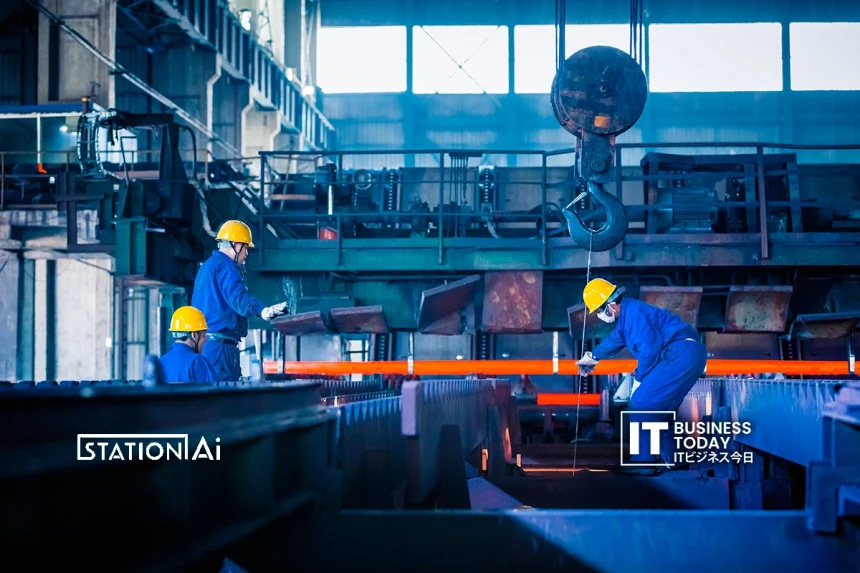
STATION Ai Inc. will establish the “STATION Ai Data Foundry”, a data collection center for physical AI, within its headquarters, with the aim of accelerating the social implementation of physical AI in the manufacturing industry, and will begin operations in December 2026.
This initiative was selected for the “Research and Development Project for Strengthening Post-5G Information and Communication System Infrastructure / Research and Development on the Construction of Data Ecosystems, etc. (GENIAC),” a subsidy program publicly solicited by the Ministry of Economy, Trade and Industry and NEDO (New Energy and Industrial Technology Development Organization). STATION Ai will build a data ecosystem that enables the linking and utilization of data held by manufacturing companies, AI startups, robotics companies, SIers, etc., and will also serve as a hub supporting the implementation of physical AI, accelerating the social implementation of physical AI in the Tokai region.
In Japan’s manufacturing sector, where labor shortages and the transfer of skilled techniques are major challenges, expectations are rising for physical AI as a means of achieving automation and sophistication in production sites. On the other hand, real-world environmental data, which is essential for the development of physical AI, is managed in a dispersed manner by each company and site, and sufficient data for training and developing AI models has not been accumulated or shared, which poses a major challenge to social implementation.

Also Read: Suzumo’s Sushi Robots Go Viral on YouTube, Showcasing Japan’s Food Tech Innovation to a Global Audience
In particular, tasks such as assembly, picking, inspection, and parts handling in manufacturing sites exhibit significant variations from site to site and a wide variety of objects, making them difficult to handle with conventional rule-based automation. To utilize physical AI in these areas, a system is needed that continuously collects and accumulates high-quality data rooted in actual manufacturing sites, and uses this data for AI model development and implementation on-site.
SOURCE: PRTimes



 English