 日本語
日本語 





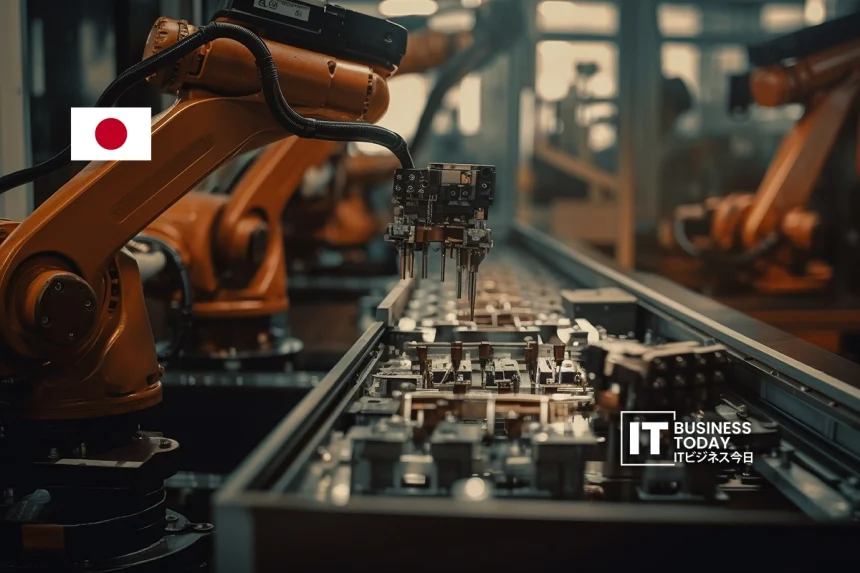
The leading position of Japan in food automation is being talked about around the world after the sushi-making robots made by Suzumo Machinery turned out to be a surprise social media hit. These video clips, which show the automated systems of producing sushi, have gained millions of views from YouTube celebrities, giving the world insight into one of the most successful instances of food automation in Japan. This phenomenon does not only reveal the rising popularity of innovation in Japan, but also shows how digital media are being used as marketing tools for manufacturing firms. (Japan Forward)
Although these videos have amazed people with the accuracy and efficiency of sushi production by machines, they are also drawing attention to the larger trend of robotics and automation in the food service industry.
From Factory Floor to Viral Fame
Indeed, Suzumo Machinery has been working on robotic devices which allow for such activities as rice portioning, sushi rolling, making nigiri, and food preparation for decades now. Initially intended to increase efficiency and uniformity of work of restaurants, supermarkets, and food companies, they became one more symbol of Japan’s technical mastery.

Also Read: Prodrone Unveils Japan’s First Fully Domestic Industrial Drone, Strengthening Supply Chain Resilience
Nowadays, their YouTube videos prove that industrial technologies may get a lot of media attention under certain presentation. Videos about robots which make perfectly shaped sushi incredibly quickly managed to appeal to audiences consisting of not only children but also technology fans, gaining millions of views and bringing innovations of Suzumo into the spotlight of people who were never interested in industrial food automation before.
Such exposure is highly beneficial since it makes people aware of Japanese manufacturing abilities outside of the realm of business advertising.
Food Automation Addresses Growing Industry Challenges
It is against this background that the focus on robots by Suzumo is gaining much interest.
There is shortage of labor and increasing costs in many countries. Food enterprises are looking for technologies that increase efficiency but ensure quality and food safety.
The use of automation is an effective solution to the problem through the mechanized performance of repetitive food preparation processes. Sushi preparation, which requires many years of specialization, is now done through the use of robotics technology. Skilled labor can be used in providing customer service and menu planning.
In view of the growing popularity of Japanese food across the globe, automation of food preparation processes is making expansion easy without compromising consistency in various branches.
Strengthening Japan’s Food Technology Industry
The international exposure of Suzumo emphasizes the fact that Japan continues to be a front-runner in innovative food technology.
Japan has always been known for using its expertise in robotics coupled with efficient manufacturing, and food automation has now become a crucial part of this innovation. The Japanese companies have continued to come up with intelligent kitchen appliances, automatic food preparation systems, AI-based food inspection systems, and intelligent restaurant technology systems.
The rising acceptance of such systems provides not only opportunities to equipment makers but also software developers, sensor makers, AI firms, and system integrators in the domain of food technology.
With more and more restaurants opting for smart kitchen systems, the requirement for cloud-based monitoring, predictive maintenance, inventory management, and analytics is going to rise.
Social Media Becomes a Powerful Technology Showcase
One of the most important factors behind Suzumo’s virality is the involvement of digital content creators.
Influencers on sites like YouTube are playing an increasingly important role in creating awareness around emerging technologies, especially among the younger generation. Digital content creators have turned sophisticated industrial machines into engaging content that piques interest in engineering, robotics, and automation.
From the perspective of Japanese companies, this is a great way to create brand awareness across the world outside of trade shows and business meetings.
The viral nature of industrial technology also indicates the potential of social media in growing exports through exposure to innovative technologies.
Business Opportunities Across Multiple Industries
Food automation’s growing trend goes much beyond restaurants.
Supermarkets, convenience stores, food processors, cloud kitchens, caterers, airports, hotels, and even healthcare institutions are increasingly implementing automation technologies in food production in order to boost productivity and cope with labor shortage.
Simultaneously, AI integration allows for the development of advanced kitchen devices that can track the manufacturing process, predict the need for maintenance, control ingredient usage, and decrease food waste.
It is quite clear that Japanese manufacturers focused on robotics, AI, industrial sensors, and IoT platforms can benefit greatly from the emerging trends.
The combination of automation and artificial intelligence is expected to provide a basis for developing the new generation of intelligent kitchens.
A New Era for Japanese Food Innovation
The popularity of Suzumo proves that innovation has the power to grab worldwide attention in unpredictable ways.
The company that started as industrial equipment meant to optimize the making of sushi has transformed into a global demonstration of engineering capabilities in Japan, illustrating how robotics not only help to tackle practical issues in business but also attract millions of viewers via the internet.
For the technology industry in Japan, the case study shows the impact of automation in various sectors of the economy and how digital means can be used to promote technological innovation. For companies, the example proves how beneficial investments in smart manufacturing and automation through artificial intelligence can be.
As the need for automation of food service grows further, robotics and engineering capabilities in Japan will likely be at the forefront of innovation.



 English