 日本語
日本語 





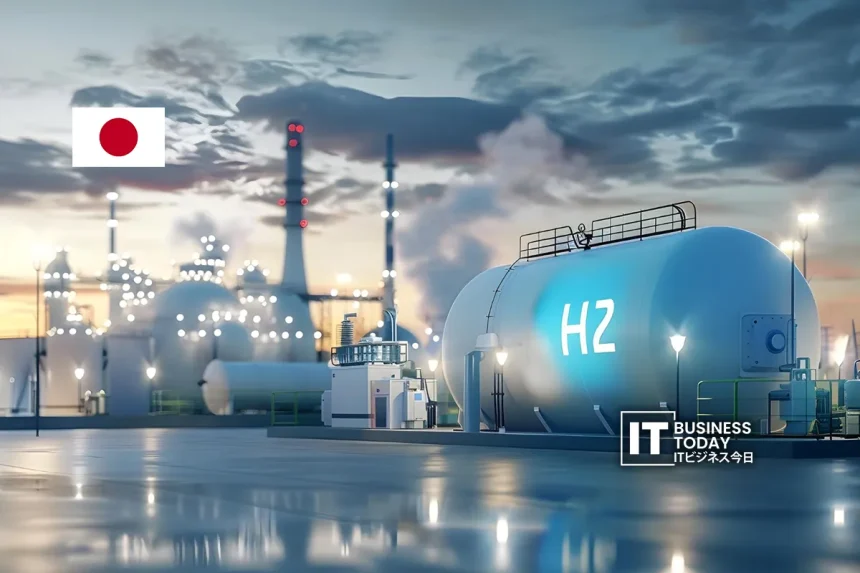
Japan is expanding its clean-energy footprint in India as Uttar Pradesh looks to take its partnership with Japan beyond research and institutional cooperation and into commercial-scale green hydrogen projects. The development, discussed at the Uttar Pradesh-Japan Investment Meet 2026, could open a new chapter in technology cooperation between the two markets while creating opportunities for Japanese companies in energy, manufacturing and advanced technology.
Uttar Pradesh wants Japanese companies to help with hydrogen pilot projects. They also want Japanese companies to bring in technology and invest money in these projects. The state is making a plan to get more Japanese companies to invest in Uttar Pradesh. They are even thinking of making an area called “Japan City” near the Yamuna Expressway. This area will be around 500 acres and will be part of the Yamuna Expressway Industrial Development Authority region.
The state wants companies that make semiconductors, electronics and other advanced things to come and set up their businesses in this area. They also want companies that have data centers to come and invest in Uttar Pradesh.
The idea of working with Japan on green hydrogen started when Uttar Pradesh and Japans Yamanashi Prefecture signed an agreement in December 2024. After that two special centers for hydrogen were made at IIT Kanpur and IIT-BHU. The state government gave ₹50 crore to each of these centers to help them get started. Uttar Pradesh is really serious about hydrogen and wants to work closely with Japanese companies, on green hydrogen projects.
From Research to Commercial Green Hydrogen

This new development is important because the partnership is getting close to actually doing something. Uttar Pradesh wants to work with Yamanashi on things like research trying out new ideas with pilot projects and starting commercial businesses. This could bring Japans knowledge of hydrogen closer to being used in industries in India.
Some Indian companies, like NTPC, BPCL, Torrent Power, Hygenco, L&T Green Energy, Avaada and ReNew E Fuels are interested in hydrogen projects in Uttar Pradesh.
The Green Hydrogen Policy 2024 of Uttar Pradesh says it wants to make one million tonnes of hydrogen and green ammonia every year by 2028. To make this happen Uttar Pradesh will need to invest in things like machines called electrolyzers renewable power sources, storage, transportation, control systems and industrial infrastructure for green hydrogen. Green hydrogen is a part of this plan and Uttar Pradesh is serious, about green hydrogen.
That creates a potentially valuable market for Japanese technology providers.
Opportunities for Japan’s Clean-Tech Industry
Japan has spent years developing expertise in hydrogen production, fuel cells, storage and related technologies. Its companies could use partnerships in Uttar Pradesh to expand their presence in one of the world’s largest and fastest-growing industrial markets.
The opportunity extends beyond hydrogen producers. Green hydrogen projects require sophisticated equipment and digital systems to operate efficiently. Japanese companies specializing in industrial automation, sensors, robotics, power electronics, energy management and precision engineering could become part of the emerging supply chain.
This is where the partnership could have a broader impact on Japan’s technology industry. Rather than treating green hydrogen simply as an energy business, Japanese companies can approach it as a convergence of software, hardware and clean-energy technologies.
Digital monitoring systems, predictive maintenance and AI-based optimization could help hydrogen facilities manage electrolyzer performance, electricity consumption and equipment maintenance. These technologies could become increasingly important as projects move from small pilots to larger industrial facilities.
Japan’s Manufacturing Sector Could Benefit
The initiative also fits into a wider expansion of Japanese manufacturing in Uttar Pradesh.
Escorts Kubota is establishing a ₹2,025-crore manufacturing plant in YEIDA’s Sector 10, with planned first-phase capacity of 60,000 tractors and 15,000 construction equipment units annually. Minda Corporation has proposed investments totaling ₹1,166 crore across two projects. Together, the projects are expected to generate thousands of direct employment opportunities.
For businesses this means they can build a better system for working together with other industries. Factories can be built near projects that use energy so companies can try to make things in a way that is better for the environment. They can also sell their products to Indias growing market.
A Boost, for Japan-India Technology Cooperation
The green hydrogen initiative also strengthens the broader technology relationship between Japan and India.
Uttar Pradesh is attempting to attract Japanese expertise in areas including Kaizen, 5S, lean manufacturing, robotics, automation and precision engineering. The state has more than 9.6 million MSMEs and over 22,000 startups, creating a sizeable potential customer and supplier base for Japanese technology companies.
For Japan India is a place to do business. India is not a place where things can be made. It can also be a place where new technologies are tested to see if they work well in markets that are still growing.
Also Read: CATL, Quinbrook Progress Supernode with New Financing
For businesses in India working with companies can be very helpful. Japanese companies have good engineering skills, ways of making things and knowledge about technology. When Indian and Japanese businesses work together it can help local suppliers make things and do things in a better way. They can also use machines to do work and save energy.
There are some problems that might slow things down. Even though green hydrogen is an idea it is still hard to make money from it. The cost of making hydrogen getting energy, from the sun or wind the price of special machines building roads and other infrastructure and making sure people want to buy it will decide if this is a good business idea. Green hydrogen is still a thing to make work.
The technology industry will also need to solve the digital challenges associated with managing hydrogen facilities. Large projects will generate significant operational data, creating demand for secure industrial networks, cloud platforms and real-time analytics.
Japanese companies entering the market will therefore need to offer more than individual pieces of equipment. Integrated solutions that combine energy technology, automation, software and maintenance could become more competitive.



 English