 日本語
日本語 





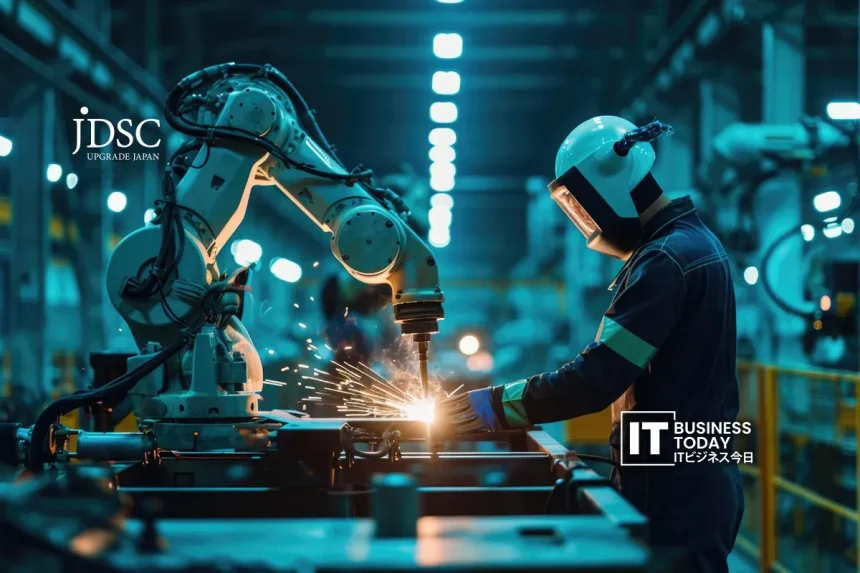
JDSC Co., Ltd. has launched a new solution, “Co-design engine (ultra-high-speed hypothesis thinking engine),” which supports design coordination and consensus building in the design and development process of the manufacturing industry.
This solution combines systems engineering and AI to accelerate complex design coordination across multiple specialized fields such as design, aerodynamics, thermal engineering, and circuitry, as well as between organizations and companies, including OEMs and suppliers. By quantifying and structuring the basis for design decisions that previously relied on the intuition and experience of veteran personnel, it simultaneously eliminates reliance on individual expertise and shortens development lead times. Initially, it will be offered for “design x aerodynamics x thermal engineering” in automotive development, but future plans include expanding to manufacturing in general and to various industries involving complex physical and functional trade-offs.
Background of Development
The environment surrounding the manufacturing industry is changing rapidly, with factors such as diversifying customer needs, shortening product lifecycles, carbon neutrality requirements, increasing supply chain risks, and intensifying global competition.

Also Read: HD Hyundai Wins $673.8M U.S. Data Center Power Deal
In the automotive industry in particular, the accuracy of decision-making in the upstream design phase significantly impacts rework and cost increases in downstream processes. Meanwhile, the decline in skilled personnel is leading to the limitations of traditional development processes that rely on individual intuition and experience.
JDSC has addressed these structural challenges faced in the field by structuring the decision-making process of skilled engineers—who organize the requirements of different specialized fields and guide them toward consensus—into a unique “mediation protocol.” By integrating this mediation protocol with AI, we have developed this solution to support the organization and decision-making of complex technology trade-offs. By supporting the confirmation of design conditions, consideration of adjustment proposals, and consensus building among multiple departments and companies, it significantly reduces the man-hours required for coordination between organizations.
Source: PRTimes



 English