 English





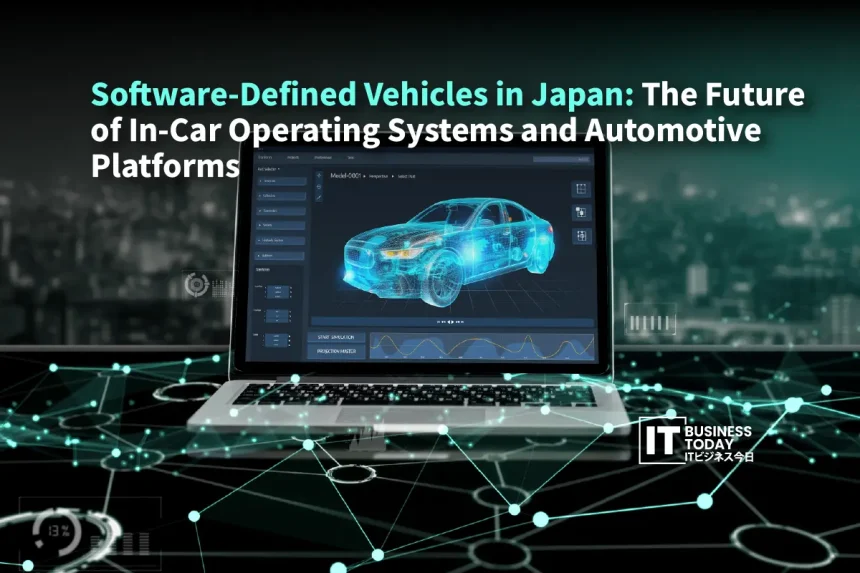
何十年もの間、日本はひとつのアイディアの上に自動車の優位性を築いてきました。マシンを完璧にすること。すべてのボルトを磨き上げること。故障が稀になるまで信頼性を高めること。この哲学は「ものづくり」と呼ばれています。それが、トヨタのような企業の世界的な名声を築いたのです。.
しかし、クルマは変わりつつあります。静かに、そして急速に。.
今日、自動車の真のインテリジェンスは、もはやピストンやギアボックスの中にはありません。ソフトウェアの中にあるのです。このシフトは、日本の自動車メーカーをモノづくりから別のものへと押し上げています。コトづくり。体験、サービス、デジタル機能を通じた価値の創造。.

そこで、ソフトウェア定義の自動車が話題になるのです。.
こちらもお読みください: 2026年のプラットフォーム・エンジニアリング:企業が社内開発者プラットフォームに投資する理由
ソフトウェアで定義された自動車とは、安全性、性能、インフォテインメント、運転支援などの中核機能が、固定されたハードウェアではなく、ソフトウェアによって制御・改善される自動車のことです。.
そして不快な真実はこれです。今後5年間で、日本の自動車メーカーがこのシフトをリードするのか、それとも追いつくために今後10年を費やすのかが決まるのです。.
ハードウェアを超えた日本のソフトウエア・デファインド・ビークルを徹底解剖
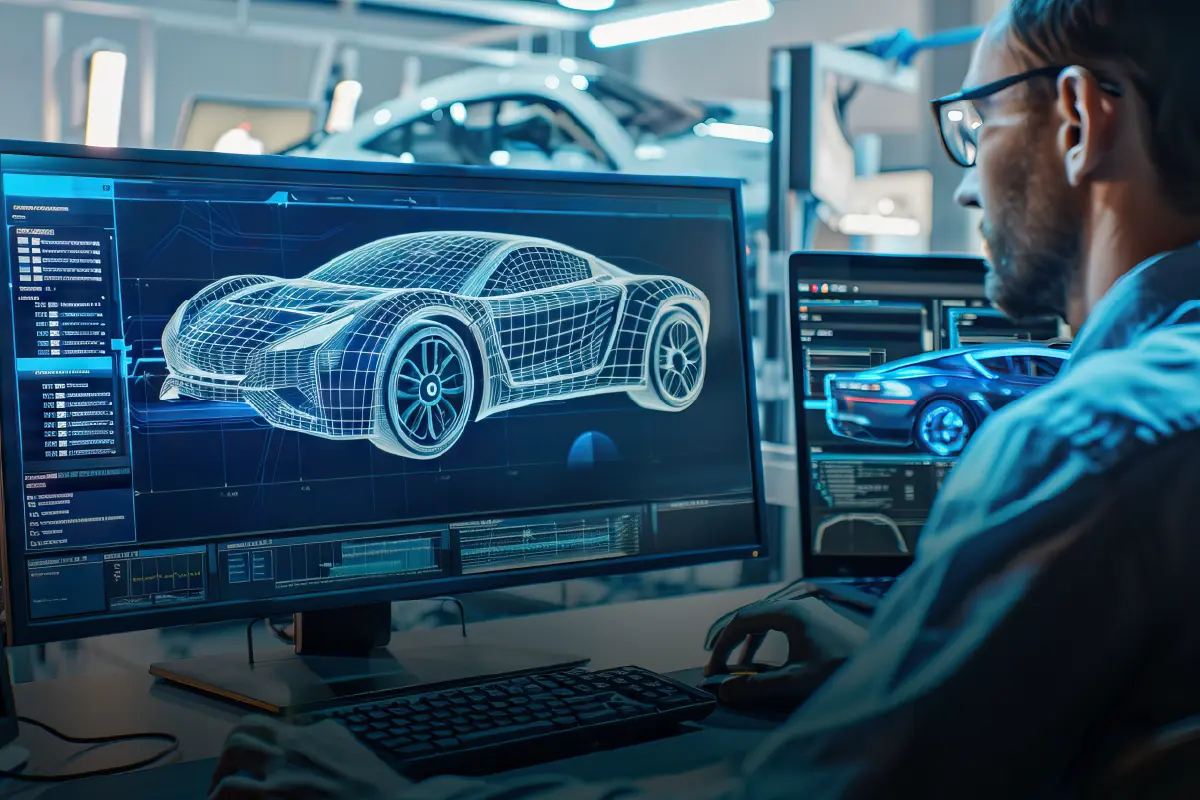
現代の車は一見するとまだ機械的。金属製のボディ。サスペンション。バッテリーパック。モーター。根本的には何も変わっていないように見えます。.
しかし、水面下ではアーキテクチャが変化しています。.
従来の自動車は、車内に点在する何十もの電子制御ユニットに依存していました。各ECUは特定の機能を制御していました。ブレーキはここ。ステアリングはここ。インフォテインメントは別の場所。これらのユニットは独自に開発されたものです。同じ言語を話すことはほとんどありませんでした。.
ソフトウェア定義の自動車は、このモデルを壊します。.
孤立したハードウェア・モジュールの代わりに、システムは集中コンピューティングに向かっています。クルマは機械部品の集合体ではなく、接続されたコンピューター・ネットワークのように振る舞います。.
そこで重要になるのが、システムオンチップ・プラットフォームです。.
NVIDIA DRIVE AGX Orin車載SoCは、以下のAI処理能力を提供します。 254兆ドル 演算/秒。このシステムの計算能力により、車両はセンサー情報を扱うと同時に、機械学習アルゴリズムを実行し、さまざまなソフトウェアコンポーネントを操作することができます。.
その意味は大きい。.
最新の車両は、カメラ映像、レーダー入力、ドライバーの行動をリアルタイムで分析できるようになりました。また、ハードウェアに触れることなく内部ソフトウェアを更新することもできます。.
オーバー・ザ・エアのアップデートは、このモデルの中心になりつつあります。ディーラーの訪問を待つ代わりに、自動車メーカーは改良を直接車両にプッシュすることができます。安全機能の進化。性能の向上。新しいデジタル・サービスは、自動車が工場から出荷されてから数ヵ月、あるいは数年後に登場します。.
しかし、車内のソフトウェア更新は新たな責任をもたらします。安全性とサイバーセキュリティが重要になります。.
そのため、最新のプラットフォームは厳格な規制の枠組みに従っています。NVIDIA DRIVE ハイペリオン アーキテクチャは、ISO 26262機能安全規格およびISO 21434サイバーセキュリティ規制への準拠を実現しています。.
つまり、日本のソフトウェア定義自動車は、単にスマートな自動車ではありません。集中コンピューティングと厳格な安全フレームワークの上に構築された、継続的に進化するデジタルシステムなのです。.
車載OSをめぐる戦いの内幕 アレーネ・チャープと世界標準の戦い
技術革新のたびに新たな戦場が生まれます。.
スマートフォンでは、アンドロイド対iOSでした。.
パソコンではウィンドウズ対マッキントッシュ。.
ソフトウェアで定義された自動車にとって、戦場となるのはオペレーティング・システムです。.
ソフトウェア・プラットフォームをコントロールすることで、その周りのエコシステムをコントロールすることができます。アプリ。サービス。データ。収益。.
日本はこのことを理解しています。そして自動車メーカーもそれに応えています。.
最も野心的な取り組みのひとつは、トヨタが「トヨタ・アレーネ」と呼ぶ車両ソフトウェア・プラットフォームを通じて行っているものです。.
Arene は、車両ソフトウェアの構築とデプロイを管理するオペレーティングレイヤーと考えてください。異なるコンポーネントにコードベースが散在する代わりに、Arene は車両プラットフォーム全体の設計、コーディング、テスト、デプロイメント、および長期的なメンテナンスをカバーする統一された開発ライフサイクルを提供します。.
なぜなら、従来の自動車用ソフトウェア開発には非常に時間がかかっていたからです。新しい機能を追加するたびに、ハードウェアの統合と大規模なテストサイクルが必要でした。.
アレーネがモデルを変更。.
開発者は、制御された環境でアプリケーションと車両機能を構築できます。その後、ソフトウェア・パイプラインを通じて複数の車両にアップデートを展開します。.
トヨタの戦略は、プラットフォームがどこに展開されているかを見れば明らかです。.
アレーネ・プラットフォームを採用した最初の車種となったトヨタRAV4の販売台数は、約5万台。 105万ドル 2024年に世界でこれは、ソフトウエアで定義された車両プラットフォームとしては、実世界で最大規模の展開拠点となります。.
簡単に言えば、トヨタはニッチな小型車でソフトウェア革命をテストしているのではありません。トヨタは、世界で最も人気のあるSUVの1つでそれを展開しているのです。.
一方、別の方向性も見えてきました。.
ソニーと本田技研工業は、「Afeela(アフィーラ)」ブランドを通じて、両社のビジネスを牽引するデジタル体験を創造します。このクルマは、没入型ディスプレイとインタラクティブなインターフェイスを主な要素とするエンターテインメントシステムによって作動します。.
これは哲学における興味深い分裂を明らかにしています。.
一部の自動車メーカーは、オペレーティングシステムを車両制御レイヤーとして扱っています。また、デジタル・エクスペリエンス・プラットフォームとみなすメーカーもあります。
しかし、より深い戦いはミドルウェアにあります。ハードウェア、オペレーティング・システム、アプリケーションをつなぐ目に見えないレイヤー。
そのレイヤーを所有する者が、最終的に自動車のエコシステムをコントロールするのです。.
だからこそ、ソフトウェアの主権は、自動車の世界では製造能力と同じくらい重要になってきているのです。.
日本の真の戦略的課題 ソフトウェア人材格差の是正
日本の自動車会社はパラドックスに直面しています。.
彼らは地球上で最も先進的なメーカーのひとつです。その生産システムは、今も伝説となっています。精度、信頼性、効率。太刀打ちできるものはほとんどありません。.
しかし、ソフトウェア開発はまったく異なる文化に従っています。.
機械工学は安定性を重視します。ソフトウェアは反復を重視します。エンジニアは絶え間なくアップデートを繰り返します。バグが現れます。修正が後を絶ちません。改善は定期的ではなく継続的に行われます。.
何十年にもわたって優れたハードウェアを築き上げてきた企業にとって、このシフトは居心地が悪く感じられるかもしれません。.
日本のOEMの多くは、いまだにソフトウェア・アーキテクトよりもメカニカル・エンジニアを多く採用しています。このアンバランスがボトルネックになっているのです。.
ソフトウェアで定義された自動車の開発には、人工知能やサイバーセキュリティ、クラウドインフラや組み込みシステムの知識を持つ専門家が必要です。世界的なテクノロジー企業は、これらの特定分野でより早い進歩を遂げています。.
しかし、日本はこの課題を無視しているわけではありません。.
自動車メーカー各社は、開発を加速させるために提携を結ぶことが増えています。共同研究プラットフォーム、企業横断的イニシアティブ、業界協議会などが登場し始めています。.
アイデアは簡単です。.
ソフトウェアスタックの全レイヤーを1社だけでマスターすることはできません。コラボレーションはリスクを減らし、知識を広めます。.
同時に、より強力なデジタル技術のバックグラウンドを持つ若いエンジニアがこの業界に入ってきています。大学は、モビリティ・ソフトウェアや自律システムに焦点を当てたプログラムを拡充しています。.
それでも移行には時間がかかります。.
真の挑戦は文化的なものです。日本は、その製造システムを世界的に有名にした規律を失うことなく、ハードウェアの完璧主義からソフトウェアの適応性へと進化しなければなりません。.
ソフトウェア自動車が新たな収益モデルとサブスクリプションを生み出すまで
何十年もの間、自動車メーカーは単純な収益方式に従ってきました。.
車を作る車を売る車を整備する.
ソフトウェア自動車 を静かに書き直します。.
自動車がソフトウェア・プラットフォームになると、自動車メーカーとドライバーの関係は変わります。自動車はもはや完成品ではありません。サービス環境となるのです。.
フィーチャー・オンデマンド・モデルはその一例です。.
ドライバーは、車両を購入した後でも、追加のパフォーマンス・モード、高度なナビゲーション機能、または強化されたドライバー支援機能を購入することができます。ディーラーで一度だけ支払うのではなく、顧客はデジタルで機能に加入します。.
このモデルは、スマートフォンの操作方法に似ています。.
アプリケーションは進化します。アップデートによって新しい機能が解放されます。ハードウェアは変わりませんが、エクスペリエンスは時間とともに向上します。.
日本のOEMにとって、このシフトはまったく新しい収益源を開くものです。.
デジタル・サービスは、車両プラットフォームの耐用年数を延ばしながら、定期的な収入を生み出すことができます。また、ソフトウェア・エコシステムは、テクノロジー企業、コンテンツ・プロバイダー、都市インフラ・ネットワークとのパートナーシップを促進します。.
データも中心的な役割を果たすでしょう。.
自動車は大量のデータを生成します。運転行動や交通状況、車両のエネルギー使用や環境データに関する情報を受信します。これらの情報を適切に管理することで、スマートシティ計画やエネルギーの最適化、輸送の効率化が可能になります。.
トヨタのWoven Cityイニシアチブのようなプロジェクトは、モビリティデータが将来どのように都市インフラと統合されるかを示唆しています。.
そのため、ソフトウェア自動車がもたらす経済効果は、自動車産業だけにとどまりません。.
ソフトウェア自動車はどこへ向かうのか AIカーボン・ニュートラルと自律走行
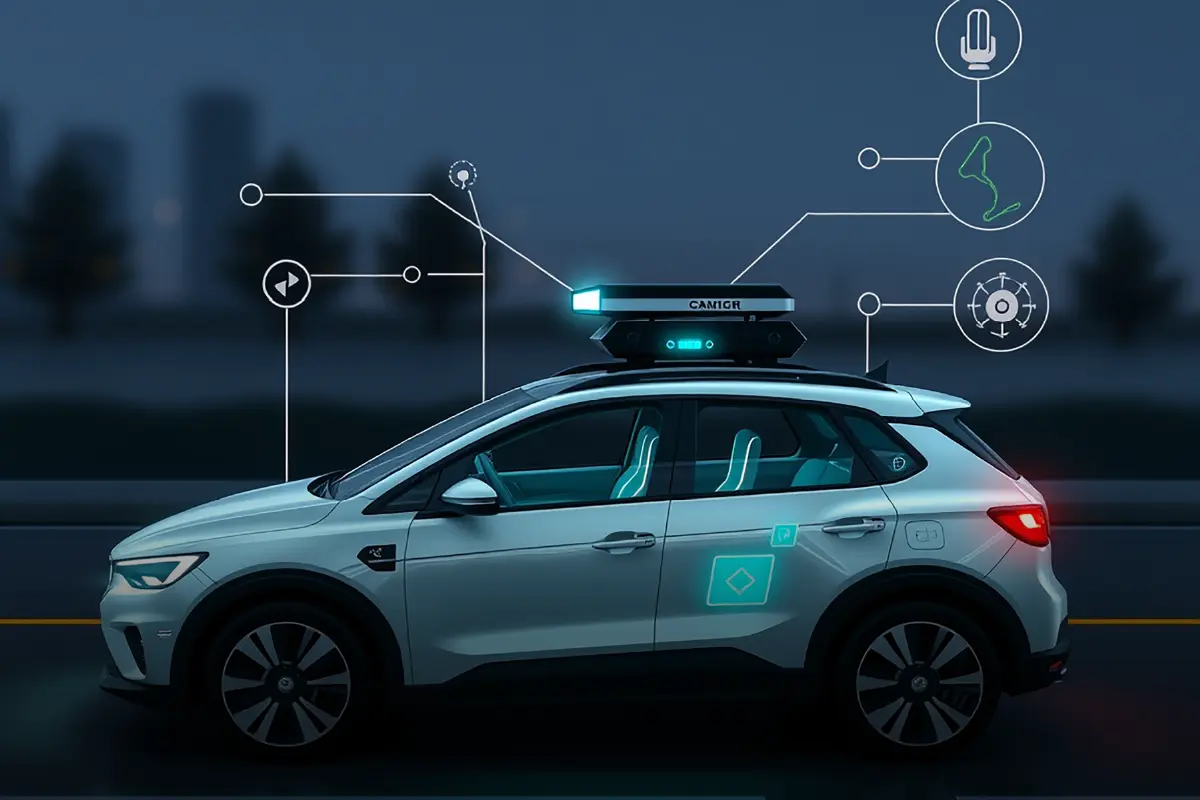
今後、日本におけるソフトウェア自動車の進化を形作るのは、3つの力です。.
人工知能持続可能性。自律移動。.
まずはエッジAI。.
将来の自動車は、すべてのデータをクラウドに送信する代わりに、重要な情報を車内で直接処理します。これにより、安全性に不可欠な迅速な意思決定が可能になります。カメラ、ライダーシステム、レーダーセンサーは、即座に分析しなければならない膨大なデータストリームを生成します。.
そのため、自動車内のコンピューティング・パワーは増加の一途をたどっています。.
今度のNVIDIA DRIVE Thorは、一元化されました。 ビークル コンピュータは、毎秒1000兆回を超える演算性能を実現すると予想されています。このような能力により、高度な知覚システムや複雑な自律走行アルゴリズムが可能になります。.
次に持続可能性。.
電気自動車は、バッテリーの性能とエネルギー効率を管理するソフトウェアに大きく依存しています。バッテリー管理システムは、温度、充電動作、エネルギー配分を監視します。ソフトウェアの改善により、バッテリーの寿命を延ばし、航続距離を向上させることができます。.
最後に、自律走行です。.
日本には独特の課題があります。都市部は密集しています。道路は狭い。交通事情は都市と地方で大きく異なります。.
このような環境でレベル4の自律性を達成するには、極めて高度なソフトウェア協調が必要です。センサーは複雑な周囲の環境を解釈し、AIシステムは歩行者や自転車、他の車両の挙動を予測しなければなりません。.
つまり、自律移動は単なるエンジニアリングの課題ではありません。ソフトウェアの課題なのです。.
そして、ソフトウェア定義車両はそれを解決するために必要な基盤を提供します。.
日本はソフトウェア時代をリードできるか?
日本は興味深い岐路に立っています。.
その自動車メーカーは、技術的な規律を守り、世界的な名声を築き上げました。 ものづくり 卓越性。その強みは今でも重要です。モビリティにおいて、信頼性と安全性は依然として譲れません。.
しかし、この業界は、ソフトウェアが車両体験を定義するという新たな段階に入りつつあります。.
オペレーティング・システム、AIモデル、デジタル・サービスは、自動車が工場から出荷された後、どのように進化するかに影響を与えるようになりました。.
日本には、多くの人が見落としているアドバンテージがあります。日本はすでにハードウェアの信頼性と強力な産業界の協力体制を兼ね備えているのです。.
企業がその基盤を最新のソフトウェア開発文化とうまく融合させることができれば、その移行は強力な競争上の優位性となるでしょう。.
ソフトウェアで定義された自動車に向けた競争はすでに始まっています。今、本当に問われているのは、日本が参加できるかどうかではありません。.
日本がリードできるかどうかです。.

 日本語
日本語