 日本語



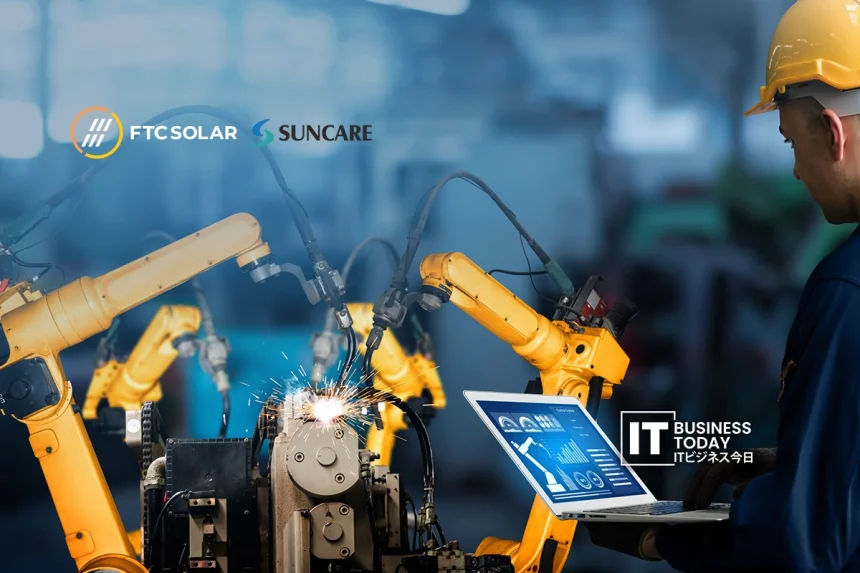
FTC Solar has introduced SUNCARE, a maintenance program that helps owners of solar projects keep the performance of single-axis solar trackers good throughout the long life of the equipment. On November 13 2026 FTC Solar announced that SUNCARE will mix remote performance monitoring, regular field inspections, tracker calibration and technical support. This mix will help operators meet maintenance needs during and after the warranty period.
This launch shows a change, in the utility‑scale solar industry. Keeping equipment working well is now a bigger part of managing renewable energy assets. Of waiting for problems to show up and then fixing them SUNCARE gives a clear plan to spot possible issues early and schedule maintenance.
FTC Solar, which offers tracker systems, software and engineering services said that SUNCARE is meant to help owners and operators keep energy production steady and to make maintenance planning more predictable.

SUNCARE Combines Monitoring, Inspections and Technical Support
SUNCARE gathers maintenance tasks into one service that is led by the original equipment manufacturer. SUNCARE staff are technicians who know FTC Solar gear well so SUNCARE customers can rely on knowledge and detailed system data.
A key part of SUNCARE is monitoring of tracker performance. SUNCARE customers get reports that show how the trackers are working and highlight trends. These reports help asset owners spot changes in tracker performance. Decide if more checks or repairs are needed.
SUNCARE also offers inspections on site every three months. When technicians come they check the structural and electrical state of tracker rows. The inspections are backed by tracker health reports that record what was found so operators can focus on maintenance.
Another essential part of SUNCARE is rotational calibration. Solar trackers turn panels to follow the sun, which lets installations gather energy. Keeping panels in the position is crucial for SUNCARE operations. Regular calibration fixes alignment problems that could hurt tracking accuracy and energy capture.
SUNCARE gives controls and software help, such as FTC Solar‑approved firmware and software updates for the tracker control systems that are already installed. All of these parts of SUNCARE link monitoring, with hands‑on maintenance and technical support.
Support Extends Beyond Equipment Warranty Periods
A key part of SUNCARE is that it covers both the warranty and the tracker systems after the warranty is over.
For equipment that’s still under warranty the program has monthly reports on how well the equipment is working inspections every three months and management of warranty replacements that are allowed. This helps the people who own the project keep track of how the equipment’s doing while still being able to get the warranty help they need.
For systems that’re past their warranty time the service offers more choices. These can be things like replacing parts before they break such as motors, controllers and parts that help the system turn. It can also include advice on how to update or improve the system. Customers can get access to parts from the original equipment manufacturer and help with planning their yearly maintenance in a more predictable way.
This difference is important because the needs of an installation don’t stop when the original equipment warranty ends. Things like parts wearing out electrical problems and the need for control system changes can keep happening during the time the project is running. Being able to get parts that are approved by the manufacturer and help from experts can make it easier for owners to handle these needs in a way.
FTC Solar says its way of working, which is led by the equipment manufacturer gives customers help from certified workers, information about how the trackers are designed the history of how the equipment has been used, real replacement parts and support, from people who know how the systems were built.
Potential Implications for Japan’s Solar Industry
This launch matters for Japan’s energy sector. In Japan the long‑term running and upkeep of installations are key concerns for project owners, operators and service providers.
When solar assets keep running for years keeping the equipment in good shape turns into a lifecycle‑management problem. Tracker systems have electrical parts that need to be inspected calibrated and sometimes replaced. A clear maintenance plan lets operators spot problems schedule service before the equipment breaks badly and disrupts operations.
Japanese solar developers and asset managers can learn from programs like SUNCARE. SUNCARE shows how equipment makers can do more than just sell hardware. By mixing monitoring data, set inspections and support from the maker they link equipment performance with asset care.
This method also fits Japan’s operations and maintenance providers. Better tying of monitoring, on‑site inspections and component maintenance can give service companies chances to boost their skills and offer wider support.
The announcement does not say that FTC Solar is starting SUNCARE in Japan nor that the company has Japanese customers signed up. It is still unclear if SUNCARE will be available, in Japan or what its business impact will be.
A Broader Move Toward Lifecycle-Based Solar Services
SUNCARE also points out the increasing importance of service-based options in the solar equipment market. For large-scale projects how well equipment works depends not on the first design and setup but also on how the systems are watched fixed and updated over time.
Also Read: MISUMI floow Launches at Mitsubishi Electric Facility
By offering performance reports along with planned checkups and help after the warranty ends FTC Solar is making maintenance a continuous part of what it offers customers. This approach could help project owners see the state of their equipment better and plan their maintenance money, around work instead of only dealing with sudden fixes.
For the solar industry this news shows how important it is to think of operational reliability as a key part of managing renewable energy projects.
As solar setups get older companies that can mix equipment, software, expert knowledge and long-term services may have chances to help customers after the first setup. With SUNCARE FTC Solar is broadening its service options to match this goal. Its giving tracker owners a clearer way to take care of their systems over time.

 English