 日本語
日本語 





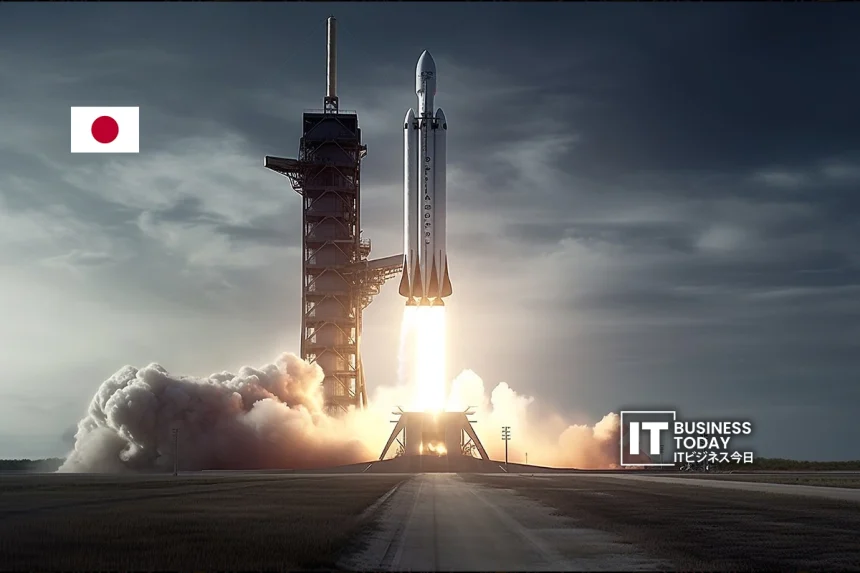
Japan’s rapidly evolving space startup ecosystem is drawing international attention, as indicated by a recent seminar at Stanford University titled “Unlocking Space for All Humanity: The Landscape of Space Startups in Japan, ” which highlighted this point. The session, part of the series Entrepreneurship in Asian High-Tech Industries, not only brought together industry experts, but also examined the growth trajectory of Japan’s commercial space sector and its global relevance.
The session was led by Masashi Sato, co-founder of the SPACETIDE Foundation and one of the key speakers of the event, who gave readers a comprehensive view of Japan’s nascent space economy, major subsectors, startup movement, and avenues for investment.
A Rapidly Expanding Commercial Space Ecosystem
Japan’s space sector is undergoing a transformation from a government-centric to a private-sector-driven one, which is more lively. The newly established firms are gradually leading efforts in satellite services, Earth observation, space data analytics, and lunar exploration.

Also Read: Fujitsu and BULL Partner to Build Japan’s High-Precision Space Monitoring System
This transition has been enabled by the availability of less expensive launch services, the ability to manufacture smaller and more capable satellites in innovative ways, as well as the increasing need for space-derived data in various sectors. Space technologies are becoming an integral element of commercial enterprises everywhere from agriculture and natural calamities to telecommunication and transportation.
The speakers at the Stanford meeting have observed that Japan’s startup scene remains nascent, yet it is progressively building up with the increasing investor interest and strengthened collaboration among universities, government, and industry.
Key Opportunities for Startups and Investors
One of the main topics underlined in the conversation was the growing variety of opportunities in Japan’s space industry. New areas like satellite networks, in-orbit servicing, and space resource exploitation are not only grabbing the attention of local investors but also those abroad.
Thanks to Japan’s expertise in precision manufacturing, robotics, and materials science, there is a very good basis for inventing new space technologies. Startups have the chance to use these resources to create valuable products that tackle worldwide problems such as environmental monitoring or providing access to the internet in isolated places.
The incorporation of artificial intelligence and data analytics into space-related projects is bringing about to continue to bring into public attention. It is believed that firms able to merge space data and AI technology will be instrumental in the forthcoming changes within the industry.
Challenges Facing Japan’s Space Startups
Japan’s space startup ecosystem still has room for improvement despite its potential. A few major issues such as limited access to big funding, the regulatory hurdles, and a need for better global collaborations were the main points of growth restriction.
In comparison to advanced ecosystems like that of the United States, Japan’s startup environment still lags behind especially when it comes to risk capital and entrepreneurial culture. Working on these discrepancies will certainly help in the development of startups and their global competitiveness.
Besides funding, the seminar emphasized other aspects needed for a healthy ecosystem, such as mentorship, infrastructure, and worldwide market accessibility.
Implications for Japan’s Tech Industry
The rise of space startups probably transforming Japan’s entire technology scene to a great extent. Space tech is at its core very interdisciplinary, blending aerospace engineering with AI, IoT, and data analytics.
Therefore, an expansion in the space industry would lead not only to the need of advanced technologies but also to the availability of highly qualified workers in several industries. In fact, such an integration will most probably spark a wave of innovations in smart infrastructure, autonomous systems, and digital platforms.
For the Japanese technology sector, space is like an unexplored territory full of possibilities where it can grow and at the same time, it can look for opportunities beyond the areas it has been traditionally linked to, such as electronics and manufacturing.
Business Impact and Strategic Opportunities
Businesses operating in Japan will find that the development of the space startup ecosystem offers a multitude of opportunities for both direct and indirect purposes. They may use space-based data for making better decisions, increasing operational efficiency, and creating new products and services.
From agriculture to insurance, logistics, and energy, several sectors rely on satellite data to carry out various tasks such as crop monitoring, risk assessment, and supply chain optimization.
Equally important, through partnerships with space startups, traditional companies may gain access to the latest technologies and find new markets. This is quite significant for Japanese companies that want to innovate and be competitive in that ever-changing global economy.
A New Growth Engine for Japan’s Innovation Economy
Stanford hosted a seminar that focused on how far Japan has come in the field of space technology. This indicates that space is very quickly becoming one of the most important elements in the country’s innovation strategy. While Japan is indeed investing in cutting-edge technologies and supporting startups, it is also identifying the space industry as one of the primary sources for economic growth.
By capitalizing on its technological skills and the development of a start-up ecosystem, Japan has the potential to step up as a key player in the international space economy. However, the nation will only be able to realize its highest capabilities by means of ongoing investments, enabling policies, and collaborations with other countries.
Looking Ahead: From Emerging Market to Global Leader
The space startup ecosystem in Japan is at the beginning of the journey however the drive is unmistakable. Such events as the Stanford seminar unveil an ever-rising worldwide focus on Japan’s potential and the promising future.
With startups still coming up with innovations and growing their business and with new partnerships between local and foreign players being established, Japan is capable of taking action to make its space sector a strong foundation of its technology industry.
To companies and investors the communication is very explicit: the new generation of innovations is not necessarily digital, it could be in space.



 English