 日本語
日本語 





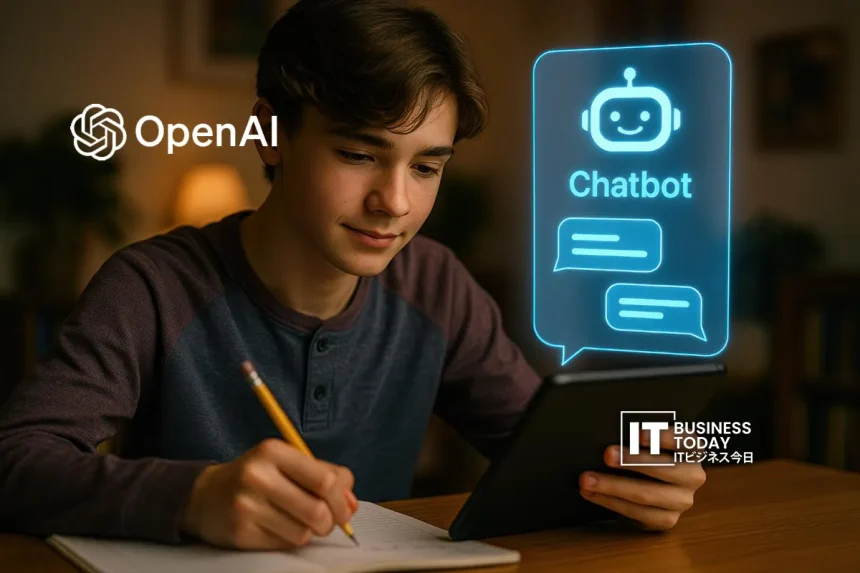
This is happening in business operations, government infrastructure and big investments. Recently we can see that artificial intelligence is being used in areas in Japan. This includes companies using intelligence investing in data centers using artificial intelligence in retail and even using artificial intelligence for defense. For example Japans Defense Ministry is thinking about using intelligence from the United States to help with command-and-control operations for the Self-Defense Forces.
This shows how quickly artificial intelligence is being used in areas. At the time private companies are building their own artificial intelligence capabilities.
Rakuten Group is making intelligence-powered store managers for its online shopping platform. Big Japanese companies like SoftBank, NEC, Honda and Sony are working together on a company that focuses on artificial intelligence development.

Artificial intelligence is becoming a priority for businesses in Japan. More and more Japanese companies are using artificial intelligence. In fact over 60 percent of companies with more than 1,000 employees are using generative artificial intelligence in 2026. This shows how quickly artificial intelligence is being used in corporate environments.
For businesses the reason to use intelligence is simple. Artificial intelligence can do work analyze large amounts of data support customer service and help employees make content and reports faster. Japans move to artificial intelligence is also happening because of labor shortages and the need to improve productivity. This creates a chance for technology providers.
Software developers, cloud companies, cybersecurity specialists and systems integrators can offer intelligence as part of broader digital transformation services instead of just selling it as a product.
Japans investment, in intelligence infrastructure is speeding up.
Japan is investing a lot of money in its Artificial Intelligence Infrastructure.
The thing is, Artificial Intelligence cannot grow without the computing infrastructure.
So Japan is seeing a lot of interest in building Artificial Intelligence data centers.
Recently Akita announced plans to build one of the Artificial Intelligence data centers in the country and the total investment is estimated to be around ¥2 trillion. These kinds of projects can have an impact on a lot of people not just the companies directly involved in them.
Building data centers creates a demand for things like semiconductors, networking equipment, power systems cooling technology, construction services and cybersecurity. It can also bring investment to areas outside of the big technology hubs. If smaller regions can attract Artificial Intelligence infrastructure they may get jobs, energy investments and technology-related businesses.
Building Artificial Intelligence infrastructure is not without its challenges.
Data centers use a lot of electricity. Need a lot of cooling capacity. As Artificial Intelligence workloads get bigger Japanese companies and policymakers will have to find a balance between growing and being energy efficient and sustainable.
There are a lot of opportunities for technology companies because of the Artificial Intelligence boom. Companies that can provide Artificial Intelligence systems, specialized models, data-management platforms and cloud infrastructure may benefit as businesses start to use Artificial Intelligence in a bigger way.
Japan also has a chance to use its strengths, in robotics, manufacturing and embedded systems. Combining Artificial Intelligence with these industries can create applications that are hard for other countries to copy. For example Japanese manufacturers can use Artificial Intelligence to predict when maintenance is needed inspect the quality of products plan production and use robotics. Retailers can use Artificial Intelligence to make shopping more personal and manage their inventory .Financial institutions can use Artificial Intelligence to support customers detect fraud and run their operations smoothly .Japanese companies can use Artificial Intelligence in ways and this can help them grow and become more competitive.
The use of foreign-developed Artificial Intelligence for Self Defense Force command operations shows how sensitive it is to use Artificial Intelligence in environments. Companies also face questions but on a smaller scale. They have to think about where their corporate data’s processed and who can access Artificial Intelligence systems. They also have to figure out how to prevent their information from being exposed.
Japan is starting to deal with challenges that come with Artificial Intelligence that can generate things. The government is taking steps to protect the voices and identities of figures from people using Artificial Intelligence without permission. This is because people are getting more concerned about rights and media that is not real.
The use of foreign-developed Artificial Intelligence for Self Defense Force command operations shows how sensitive it is to use Artificial Intelligence in situations. Companies have questions but on a smaller scale. They want to know where their company data is processed who can access Artificial Intelligence systems and how they can keep information from being exposed.
Japan is starting to deal with problems caused by Artificial Intelligence that can generate new things. The government is taking steps to protect the voices and identities of figures from being used by Artificial Intelligence without permission. This is because people are worried about rights and fake media.
For companies managing Artificial Intelligence in a way will probably become a more important part of their technology plan. Companies will need to have rules inside the company, about data, intellectual property, security and how employees use Artificial Intelligence tools. They need to think about Artificial Intelligence and how it affects their business. Companies have to make sure they are using Artificial Intelligence in a way that’s safe and responsible.
For companies managing Artificial Intelligence in a way will probably become a more important part of their technology plan. Companies will need to have rules inside the company, about data, intellectual property, security and how employees use Artificial Intelligence tools. They will need to make sure they have rules that cover all these things.
This convergence between AI and established Japanese industries could become one of the country’s biggest technology opportunities.
Security and Regulation Become More Important Rapid adoption will also increase pressure on companies to address security, privacy and governance.
Japans Next Technology Chapter
Japans current AI expansion is bigger than one product launch or one companys investment. It shows a change in how companies, government groups and technology companies think about digital transformation.
Also Read: J-Tech Unveils GenAI Solutions to Boost Japan’s DX
From AI driven shopping and business software to data centers and military systems artificial intelligence is becoming part of the countrys technology system.
For companies that work in Japan the message is getting harder to miss: using AI is becoming a must for staying competitive. Companies that start investing in the tools, people, safety and real situations might get ahead while companies that wait might end up with more money to spend and a bigger technology gap.
Japans task now is to make its AI spending lead to lasting improvements, in how well things get done. If it can mix its strengths in making things, robots, electronic parts and engineering with AI abilities the country might create a technology system that is not just following the worlds AI changes but helping to create the next step.


 English