 日本語






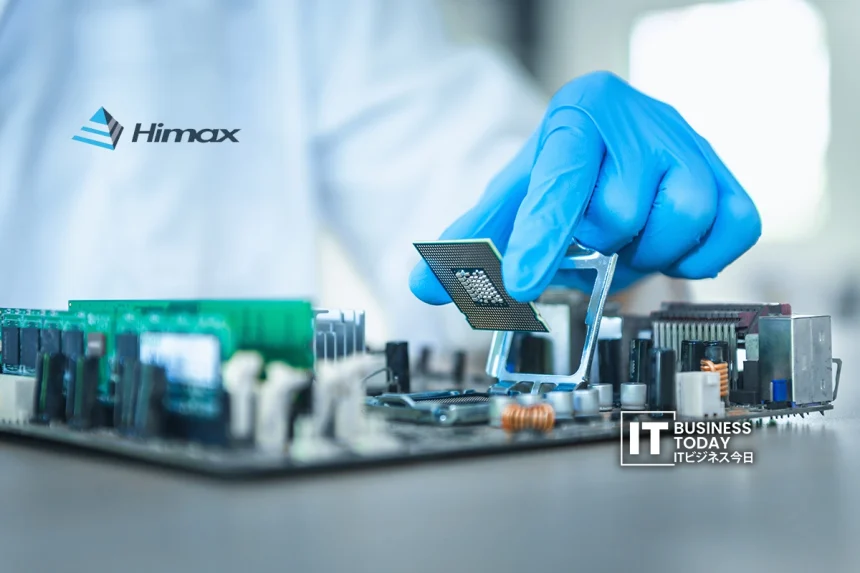
Himax Technologies has announced that its WiseEye HX6538 ultra-low-power AI processor is now part of Alibaba’s Qwen Glasses N1 series. This integration brings a kind of always-on visual sensing system to the smart glasses. The system is designed to help the glasses recognize what is happening around them without using much power.
The announcement came on October 14 2026. It shows a growing trend in tech: making AI-powered devices that can understand their surroundings all the time without running full computing systems all day. According to Himax the WiseEye processor uses 5 milliwatts while doing visual AI tasks right on the device.
On Visual Sensing With Lower Power Consumption
Smart glasses face a different challenge than smartphones or laptops. They must stay lightweight and comfortable while still offering AI features. At the time users don’t want to recharge the battery every few hours.

Himax’s WiseEye technology tackles this by working from the main image-capture system. The processor keeps watching the environment and runs AI models directly on the device. It looks for things like presence or specific events. When it finds something acting on it wakes up the main system. Otherwise the main system stays off saving power.
This method lets the glasses stay aware of their surroundings continuously. It also reduces the need for computing. Himax says this design can help improve battery life.. The company did not say how much longer the battery lasts in the Qwen Glasses N1.
HX6538 Combines Processing and AI Acceleration
At the core of this system is the HX6538 processor. It includes an Arm Cortex-M55 CPU and an Ethos-U55 neural processing unit or NPU. These work together to do real-time AI inference on the device.
Processing data on the device means need to send every visual input to a remote server. It also lets the glasses react quickly to events without keeping computing power on all the time.
The design uses a wake-up system. It decides when more processing is needed. This is important for battery-powered devices that have limited power but must stay active.
Himax sees WiseEye as part of its larger endpoint AI strategy. This strategy focuses on low-power uses in consumer electronics and the Internet of Things. The company builds kinds of semiconductor solutions. These include display driver integrated circuits, timing controllers and AI sensing tech.
The use of WiseEye in the Qwen Glasses gives the platform a role, in the wearable AI market.. The announcement does not say how much was paid for the integration. It also does not say how many devices will use the processor.
Smart Glasses Move Toward Context-Aware AI
The adoption shows a change in how AI products are being made from systems that mainly follow clear user commands to devices that can understand situations and help when needed.
Smart glasses give a person look at what the person is seeing which could let AI systems understand visual information related to daily tasks. Functions based on this ability could offer help that fits the situation depending on the devices software, sensors and AI models.
Himax says that power, always-on sensing is a key part for these uses. Its processor is made to do recognition on its own starting more powerful tasks only when necessary.
The difference matters: on sensing doesn’t mean every AI task runs all the time. Instead the design splits recognition from heavier work to save energy.
The real use of these systems will depend on how they spot important events how fast they react and how well makers mix performance with battery life.
Privacy and Power Efficiency Remain Considerations
As smart glasses get better at understanding what they see, privacy and handling data properly will still be important. Seeing things around the wearer could involve people and places so clear signs that something is being recorded good consent rules and clear data policies are important for using these devices.
Also Read: UVJC Launches First Universal Vapor Jet Printing System
Processing AI locally can cut down on needing the cloud for some jobs. It doesn’t mean all visual data stays on the device. The companies didn’t explain the way the Qwen Glasses N1 handles data and privacy in this announcement.
Himax CEO Jordan Wu said Alibabas choice shows how useful WiseEyes low-power work, always-on sensing and processing on the device are for wearable tech. Details about money for the partnership were not shared.
The adoption shows how special parts, for chips can help make AI wearables more useful. As makers make glasses making sure they can keep sensing do the work protect privacy and save battery will stay very important in their design.



 English