 日本語
日本語 




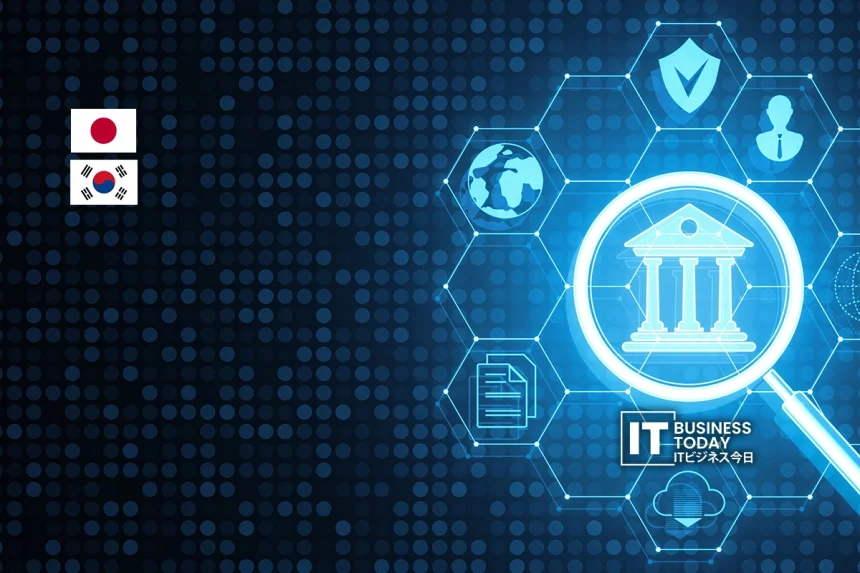
The relationship between Japan and South Korea has taken a fresh turn towards furthering defense cooperation between both countries. Through the discussion on defense during a meeting held in Seoul, officials from both countries have decided to cooperate further militarily, cooperate technologically in the field of artificial intelligence (AI), and move towards the complete denuclearization of the Korean Peninsula. This renewed alliance comes against the background of a rise in the use of technology in today’s military defense systems.
A Renewed Focus on Regional Security
This new development takes place amid rising tensions in East Asia. The constant pursuit of nuclear arms and missiles by North Korea alongside the increased military movements in the Indo-Pacific region have compelled Japan and South Korea to forge a stronger relationship in terms of security amidst existing differences.
The defense ministers of the two nations discussed on expanding their military collaboration, reinitiating joint sea rescue operations, and trilateral cooperation with the United States. The discussion also highlighted cooperation in science and technology, especially artificial intelligence which is becoming increasingly crucial in matters of defense strategy.

Also Read: DEA and SAKIGAKE JAPAN Globalize Disaster Knowledge
This new move signifies a determination to sustain peace and stability as well as enhance military interoperability between the two nations.
Artificial Intelligence Takes Center Stage
Another major accomplishment that was realized during this meeting was the increased focus on AI as a key component of future defense capabilities.
Contemporary militaries depend on AI for intelligence analysis, identification of risks, better battlefield awareness, surveillance and command-and-control procedures. Machine learning tools have the capacity to quickly analyze huge amounts of data collected from various sources such as satellites, drones, radar and surveillance systems and help military officials to make faster and informed decisions.
Through this move to integrate AI into future defense cooperation, Japan and South Korea will be better equipped to counter new threats while minimizing their dependency on manual intelligence activities.
The signing of this deal is an indication of the worldwide trend where governments are increasingly turning to AI to enhance their defense systems.
What This Means for Japan’s Technology Industry
There will certainly be many opportunities for Japanese technology companies as the defense cooperation between the two countries grows. As investments in AI-based technologies will grow, there will be a need for better software and cloud computing services, cybersecurity products, sensors, robotics, and semiconductors.
Japan has strong competencies in industrial automation, robotics, electronics manufacturing, and precision engineering. This means that such competencies could help build new-age defense technologies where AI is integrated into surveillance, communication, autonomous vehicle, and intelligence technologies.
Similarly, the rising need for a secure computing environment to process classified defense data is likely to provide an opportunity for cloud service providers. Similarly, the need for cybersecurity firms is expected to rise as more and more defense organizations will need to protect their AI-based technologies against cyber attacks and cyber espionage.
Finally, the use of AI will require the development of semiconductors and high-performance computing chips and processors. The already existing Japanese semiconductor industry gives Japanese companies a good chance to take advantage of this opportunity.
Business Opportunities Beyond Military Applications
Although the alliance concentrates on national security issues, it is going to make a much wider influence than simply securing the country’s borders and defense.
Many innovations created for military purposes find their application in various industries. Systems used for intelligence analyses can easily be repurposed into solutions needed in logistics, smart manufacturing, predictive maintenance, infrastructure examination, natural disaster responses, and maritime surveillance.
Japanese companies working in areas such as autonomous machines, computer vision, big data analysis, edge computing, and telecom networks will receive additional financial support for the research and development processes funded by the military industry.
There might be new government-sponsored programs to promote innovation in dual-use technologies, which can be applied both in the military industry and the general commercial market. Such an environment will facilitate the process of collaboration between universities, research centers, technology companies, and military suppliers.
Furthermore, Japan’s modernization of its military will create a high demand for highly specialized workers such as artificial intelligence engineers, cybersecurity specialists, software developers, and system integrators.
Strengthening Japan’s Position in the Global Defense Market
This new cooperation agreement is a manifestation of Japan’s larger approach of fostering ties with reliable regional allies as part of a wider program of increasing its defense industrial capabilities.
Recent changes in policy have made it possible for Japan to engage more closely in international efforts in the realm of defense technology development through cooperation agreements and technology sharing.
This cooperation agreement provides an opportunity for Japanese defense companies to develop interoperable systems which would help them participate in security projects and multinational operations.
This cooperation agreement also serves as a boost to Japan’s aspiration to be a major innovator in AI-based defense technology. The importance of autonomous systems, advanced sensors, cyber security solutions, and intelligent command and control systems is on the rise in modern military operations.
Looking Ahead
Beyond being a landmark diplomatic effort between the two nations, the new defense agreement between Japan and South Korea is a signal for a strategy towards technologically-based cooperation, including the development of technologies such as artificial intelligence that can be used in military operations.
Japan’s technology industry stands to gain from the agreement through the acceleration of innovation in areas such as artificial intelligence, cyber security, semiconductor technology, robotics and cloud computing. Companies specializing in such innovative technologies stand to gain from the efforts towards modernizing the nation’s defenses.
In light of increasing security threats in the region, Japan’s push towards AI-based defense innovations is likely to serve not only to enhance its own national security, but also to position it as a leading player in the realm of innovative defense technology.


 English