 日本語
日本語 





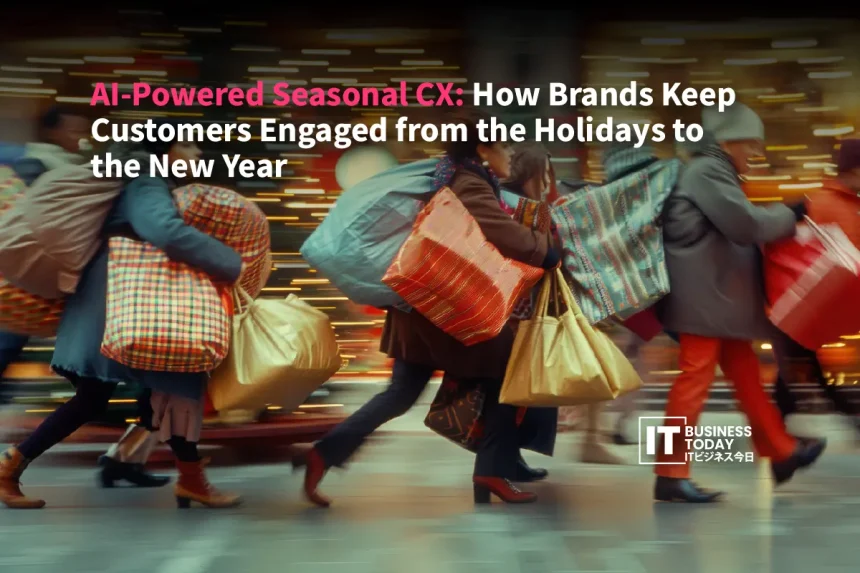
The holidays hit hard every year. Black Friday, Cyber Monday, the rush of carts, the spikes in traffic. Everyone is buying. Everyone is excited. Stores are busy. Online shops are busy. Then suddenly it is quiet. January comes and people disappear. Emails go unopened. App opens drop. The energy is gone. That is the holiday hangover. Brands feel it. Customers feel it. Everyone feels it.
Most brands treat the holidays like a sales event. Big discounts. Big deals. Big numbers. That is fine for the spike. But it does not build relationships. Once the wrapping paper is gone, most brands forget the customer. These retailers fail to change their mindset and consider the true identity of these customers. Their inability to do this results in losing a chance to convert occasional buyers into lifetime admirers.
AI can change that. It is not just for writing holiday copy. It can track patterns, read sentiment, predict what customers will want next. It can carry the momentum from Q4 into Q1. Global sales during Cyber Week 2025 are estimated to reach 334 billion dollars. AI and agents will impact the sales amount of 73 billion, which is equal to 22 percent of the total. That is real impact. Continuity matters more than conversion. Keeping the connection alive is what makes customers come back.

Also Read: Cloud Cost Optimization in Japan: How Enterprises Are Reducing Spend Without Losing Agility
The January Cliff and Why Engagement Drops Fast

Every year it is the same. The holidays hit and suddenly everything is moving at full speed. Traffic spikes, carts are full, people are buying like crazy on Black Friday and Cyber Monday. Everyone is excited. Then January comes. It is quiet. Almost too quiet. Emails are ignored. App opens go down. Customers who were around last week are gone. That is what people call the January Cliff. Shoppers are tired. Their wallets are tired. Returns start piling up. Brands are left staring at numbers that fall fast.
Part of it is simple human behavior. After the holidays people are recovering. They spent too much. They are sending gifts back. They are taking a break from all the marketing messages. On top of that many of the purchases were for someone else. That makes the data messy. If a brand tries to treat a gift buyer like it was their own purchase it fails. Personalization algorithms get confused. Emails look irrelevant. Customers tune out. Engagement drops even more.
The scale of it is huge. In 2024 global sales hit 1.2 trillion dollars. AI influenced 229 billion of that. Returns were over 122 billion dollars. These numbers are crazy but they also explain why brands cannot just sit back. January is not about making people buy again right away. It is about figuring out what actually matters. Brands need to clean the data. They need to understand who really bought what. They need to plan the right messages for when people are ready to engage again. Timing and insight are more important than blasting promotions everywhere.
The January Cliff can feel scary. But it does not have to be. If brands handle the data smartly and plan carefully they can keep customers engaged until they are ready to shop again. It is not magic. It is understanding the customer and acting at the right time.
The AI-Driven Returns Loop
Returns are a headache every January. People send back gifts. Sizes don’t fit. Colors are wrong. Traditionally, a return means a sale lost. Money gone. Customer gone. End of story. But it does not have to be like that. With AI returns can become a second chance. A chance to re-engage, to show the customer you get them, and maybe even make them happier than before.
AI can see patterns that humans cannot. Maybe every size M of that jacket is returned. Maybe a certain style of headphones keeps coming back? AI spots that before it happens and acts. The system can suggest an exchange even before the customer hits the refund button. It can say, hey, try size L instead, or a different color. Customers feel cared for. Brands keep the sale. Everyone wins.
At the same time, AI can offer incentives at the right moment. Instead of just processing a refund, it can give a small bonus credit if the customer chooses store credit. It is subtle. It is timely. People take it because it feels like a reward. And the brand does not lose the customer. The purchase might even turn into something bigger down the line.
Then there is sentiment. People write why they return stuff. Some say it is the product, some say it is just a wrong fit. Humans read this slowly. AI reads thousands at once. Natural language processing can tell if it is a churn risk or just a small mismatch. The system can trigger follow-ups or recommendations based on real understanding. No guesswork, no spam.
The numbers show why this matters. During Global Cyber Week AI and agents influenced around 20 percent of purchases. That is $67 billion through personalized recommendations and conversational support. Think about that. Every touchpoint, every suggestion, every little nudge can add up to billions. That is the power of AI in returns. It turns what used to be a dead end into an opportunity to strengthen the relationship, not just recover the money.
Returns do not have to be scary. They can be smart. They can be personal. They can be the moment a brand shows it understands the customer better than anyone else. That is what the AI-driven returns loop is all about. Catch the pattern, act fast, reward thoughtfully, and read the signals. Churn becomes engagement. Lost sales become repeat business. It is a simple shift but it can change everything.
Predictive Personalization
So many brands still do it wrong. Someone buys a coffee maker and what do they see next? Another coffee maker. That does not make sense. Nobody wants that. What they really need is something that helps them use the coffee maker better. Maybe a guide on brewing. Maybe some tips or small accessories that make life easier. Something that shows you actually understand them. That is the difference between just selling stuff and making them feel like the brand gets them.
This is where AI steps in. It looks at what people do. It looks at what they like. It looks at what they ignore. Then it predicts what will actually matter to them next. Not just a product. A whole experience. You can call it Next Best Experience if you like. It is about understanding the journey. Not pushing random items. You can mix products with advice or content. That is how people feel a connection. Not just a transaction.
Then there is the gift problem. Every holiday season it is the same. People buy for others. Addresses are different. Sizes are all over the place. If the brand just treats this like a normal purchase it goes wrong. Recommendations are useless. Emails get ignored. Customers get annoyed. AI can see when something is unusual. It can even ask, ‘Was this a gift?’ That small question keeps recommendations useful. It also builds trust. People feel the brand cares.
Timing matters too. Shopify’s 2025 Global Holiday Retail Report says AI-assisted discovery is now a key way shoppers find things. Merchants are paying attention early so they are there when shoppers look. Recommendations, guided searches, curated suggestions. All powered by AI. If brands are not doing this, they are invisible at the moment that matters most.
It is really simple. Stop guessing. Start paying attention. Make every touchpoint count. Show the customer you know them. Predictive personalization is about helping, about connecting. About being there with the right advice or nudge at the right time. When you get this right people notice. They come back. They trust the brand. They stick around. They feel like the brand sees them and that is how you turn a customer into someone loyal.
Using AI to Nudge Customers at the Perfect Time
Timing is everything after a purchase. People buy something and then go quiet. That first touch is over. The second touch is what counts. Get it wrong and the customer disappears. Get it right and you can keep them engaged for months. That is the golden window. The moment when they are most likely to pay attention. Most brands miss it. They send emails at the same time for everyone. Batch and blast. Happy New Year at nine in the morning. Some people see it. Most ignore it. The chance is gone.
AI can fix that. It looks at when people open emails. When they scroll apps. When they check notifications. Then it sends messages exactly when each person is most likely to see them. Not everyone at the same time. One person at eight in the evening. Another at lunch. The right time for the right person. That is send-time optimization. Little tweaks like this can make a huge difference in engagement.
Then there is the channel. Some people prefer an SMS about their order. Some like an email newsletter about new products. AI can figure that out too. No guessing. No annoying everyone with the same message. Customers get what they want, the way they want it. That is simple but powerful.
It is not theory. Mobile devices will drive around 56 percent of online sales this season. AI-driven traffic is expected to increase 520 percent year over year. People are browsing on phones. They are discovering stuff through AI-powered recommendations. That is where the engagement happens. Brands that miss this are invisible. Brands that get it right are there at the right moment with the right message. That is how a nudge turns into loyalty. That is how a second touchpoint after the first purchase becomes worth more than just another email.
The Roadmap for 2026
The holidays end. The carts are empty. The excitement fades. January comes. People go quiet. Returns start piling up. Engagement drops. Most brands panic. They try to push more emails. Blast more offers. That does not work. The real work is cleaning the data first. Figuring out who actually bought what. Understanding patterns. Handling returns in a smart way. And timing the next touchpoint. Getting it right matters more than shouting louder.
Next year, 2026, things are going to shift again. Generative AI Agents will take over post-holiday support tickets on their own. Customers will get answers immediately. Human teams will finally have space to focus on work that actually matters. Retention. Relationships. Personalization. AI will not replace humans. It will make the humans sharper. Brands that do this will not just survive the quiet months. They will keep momentum. They will turn seasonal shoppers into loyal customers. They will be ready when the next holiday rush hits.



 English