 English





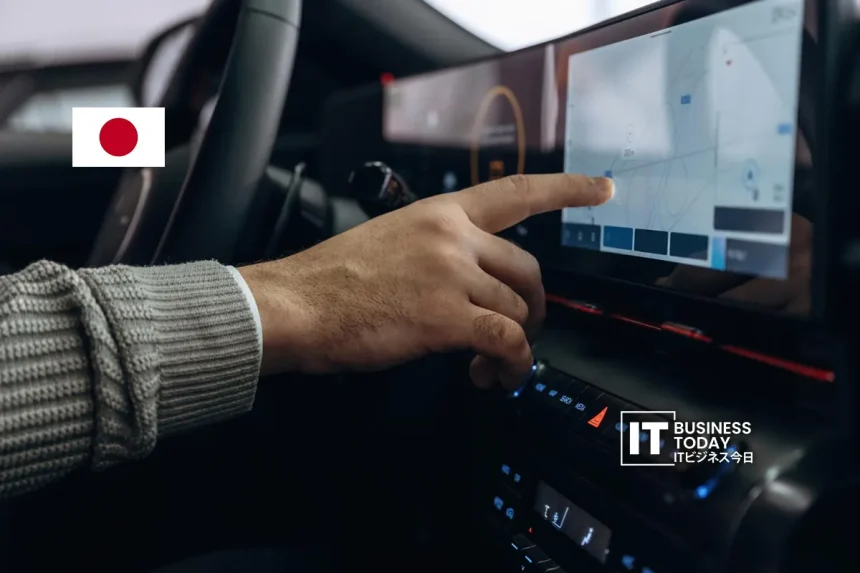
日本では、新車にドライバーモニタリングシステムを安全装備として搭載する準備が進められています。この動きは、同国の自動車技術産業にとって新たな機会を生み出しています。 国土交通省の改正案によると、2031年9月から、日本で販売される新車には、運転者の注意散漫や疲労を検知できるシステムの搭載が義務付けられます。既存の車種についても、2033年からはこの規則を満たす必要があります。.
この措置が講じられているのは、日本において、運転中の携帯電話使用に関連する交通事故が増加しているからです。警察庁によると、運転中の携帯電話使用による死亡・重傷事故は2025年に148件に達しました。これは2020年以降、増加の一途をたどっています。 2021年から2025年にかけて、携帯電話の使用が関与した自動車事故の死亡率は、携帯電話の使用が関与しなかった事故に比べて3.4倍高かったのです。.
この新しい規制は、交通安全の枠を超えた影響をもたらす可能性があります。これにより、日本国内において、車載カメラやセンサー、車載ソフトウェア、人工知能、および車両のセキュリティに対する需要が加速すると見込まれています。.
DMSとも呼ばれるドライバーモニタリングシステムは、車内のカメラやセンサーを利用して、ドライバーの集中度や体調の状態を確認するものです。.

日本の規則によると、時速50キロメートル以上で走行中に、運転者が3.5秒以上自分の手を見つめ続けていると、システムが警報を発します。時速20キロメートルから50キロメートルの間では、この制限時間は6秒に延長されます。 時速70キロメートルから130キロメートルの速度域では、システムは運転者のまぶたの動き、眼球の動き、およびハンドルの切り方を監視し、居眠りの兆候を検知します。.
このアプローチにより、ドライバー監視システムは単なる警告装置よりも高度なものとなります。この装置は、ドライバーの行動を瞬時に読み取る必要があります。注意散漫が危険な状況なのか、それとも単なる通常の運転なのかを見極める必要があります。.
日本の自動車技術分野における新たな成長市場
日本にはすでに、車載センサー、カメラ、組み込みシステムに関する実績を持つ大手自動車メーカーや電機メーカーが数多く存在しています。トヨタ、スバル、マツダは、すでに一部の車種にドライバーモニタリング技術を導入しています。.
新車へのDMS搭載を義務化すれば、対象市場が劇的に拡大する可能性があります。.
自動車メーカーには、信頼性の高いハードウェアが必要となるだけでなく、顔の動きや視線の方向、疲労の兆候を読み取ることができるソフトウェアも必要となります。これにより、コンピュータビジョン、エッジAI、画像処理、センサーフュージョンを専門とする企業にとって、ビジネスチャンスが広がる可能性があります。.
日本の技術サプライヤーにとって、DMSは単なる独立した安全機能にとどまらず、より広範な先進運転支援システムの一部となり得るため、この機会はとりわけ魅力的です。.
AIがドライバーに一歩近づく
DMSの導入は、自動車技術の変化を物語っています。自動車は、周囲の状況だけでなく、運転者自身についても、より深く理解できるようになってきています。.
従来の自動車の安全システムは、周囲の状況を確認します。カメラやレーダーは、人や他の車、道路の白線を検知することができます。ドライバーモニタリングは、車内の運転者の様子を監視することで、さらに一段階の安全対策を強化します。.
これにより、AIを活用した安全システムの可能性が広がります。.
将来の自動車では、ドライバーの注意力に関するデータを、ナビゲーション情報、車速、道路状況、その他のセンサーデータと組み合わせて分析し、いつ追加の支援が必要かを判断できるようになるかもしれません。また、自動車の自動化レベルが向上するにつれ、システムがドライバーが注意を払っているかどうかを把握し、必要に応じて運転を引き継げるようにならなければならないため、この技術は極めて重要になる可能性があります。.
企業では、AIや半導体部品に対する新たな需要が見込まれる可能性があります
この規則の変更は、日本のテクノロジー企業にとって追い風となる可能性があります。.
自動車メーカーがより多くの車種にDMSを搭載するにつれ、カメラメーカー、半導体サプライヤー、センサー開発企業、組み込みソフトウェア企業は需要の拡大が見込まれるでしょう。.
AI企業にとっては、ドライバーの状態を認識するモデルを構築する機会も生まれるかもしれません。課題となるのは、さまざまなドライバーや車内の照明環境下でも機能し、かつ誤検知を低く抑えられるシステムを構築することです。.
自動車部品メーカーにとっては、これがエッジAIへの投資を後押しする可能性があります。車内でドライバーの監視データを処理することで、機密性の高いカメラデータを外部のサーバーに送信する必要性を減らすことができます。.
そのため、エッジコンピューティングと自動車のサイバーセキュリティは、DMSシステムの重要な構成要素となります。.
機内でのモニタリングが拡大するにつれ、ある問題が浮上してきています。それはプライバシーの問題です。.
DMSは、人の顔、視線、行動、体調といったプライベートな情報を分析する場合があります。そのため、自動車メーカーや技術サプライヤーは、こうしたデータをどのように収集、利用、保存、保護するかについて、慎重に検討しなければなりません。.
車内で分析を行うシステムを構築し、データを可能な限り最小限に抑える企業には、大きな優位性があると思います。.
サイバーセキュリティも、これまで以上に重要になってくるでしょう。自動車がセンサーやコネクテッドシステムを備えたソフトウェア主導のプラットフォームへと変化していることから、車内のデータをハッカーから守ることは、主要な課題となるでしょう。.
日本は世界の自動車安全基準に準拠しています
日本が計画している規制は、国際的な動向に沿ったものです。国連自動車規制調和世界フォーラムは、今年初め、運転者の居眠りや注意散漫に関する追加規則を採択しました。欧州連合(EU)では、すでに新車における運転者の居眠りや注意力のモニタリングに関する要件を導入しており、EU域内で販売される新車には、高度な注意散漫警告システムの搭載も義務付けられています。.
日本の自動車メーカーにとって、国際基準に準拠することで、同様の安全技術を用いて複数の市場向けの車両を開発しやすくなる可能性があります。.
これはサプライヤーにとってもメリットとなる可能性があります。日本の自動車向けに開発されたDMSコンポーネントは、同様の要件を持つ輸出市場向けに転用できる可能性があり、国内のテクノロジー企業にとってビジネスチャンスが広がるでしょう。.
DMSは、ソフトウェア定義型車両分野における日本の地位を強化する可能性があります
長期的な観点から最も重要な影響は、車両の安全性においてソフトウェアが果たす役割がますます大きくなっていることかもしれません。.
日本の自動車産業は、これまで製造品質、機械工学、生産効率の面で高く評価されてきました。自動車がますますソフトウェア主導型になるにつれ、成功はAI、センサー、コンピューティング・プラットフォーム、そして継続的なソフトウェア開発にも左右されるようになるでしょう。.
ドライバーのモニタリングも、その移行の一環です。.
DMSの導入を義務化することで、日本は事実上、自動車用AIのための大規模な国内の試験・導入環境を構築することになります。これにより、サプライヤーはアルゴリズムの改善、ハードウェアコストの削減、そしてより高度なシステムの開発に取り組む動機付けが生まれるでしょう。.
日本のテクノロジー分野で事業を展開する企業にとって、これは当初の安全対策の枠をはるかに超えたビジネスチャンスを生み出す可能性があります。.
日本の自動車技術エコシステムにとっての大きなチャンス
2031年に日本において導入される運転者監視の義務化は、最終的には、注意散漫や居眠り運転の防止にとどまらない意義を持っています。これは、車両が周囲の状況と運転者の状態の両方を継続的に解析する方向への、さらなる一歩を象徴するものです。.
こちらもお読みください: 現代自動車のAIによる変革は、日本のテクノロジー産業にとって新たな時代の幕開けを告げるものです
この規制により、AI、コンピュータビジョン、センサー、半導体、エッジコンピューティング、自動車用サイバーセキュリティへの需要が加速する一方で、日本のサプライヤーにとっては、世界へ輸出可能な技術を開発する機会となる可能性があります。.
最大の課題は、安全性とコスト、信頼性、プライバシーのバランスを取ることです。日本の自動車メーカーやテクノロジー企業がそのバランスを実現できれば、ドライバーモニタリングは、日本が伝統的な自動車製造の強みと、AIやソフトウェア分野で高まりつつある能力とを融合させる新たな分野となる可能性があります。.
2031年の期限が近づくにつれ、日本の自動車技術サプライチェーンに関わる企業各社にとって、より安全でスマートな次世代車両を形作るシステムへの投資を行うインセンティブが、ますます明確になっていくでしょう。.



 日本語
日本語