 English





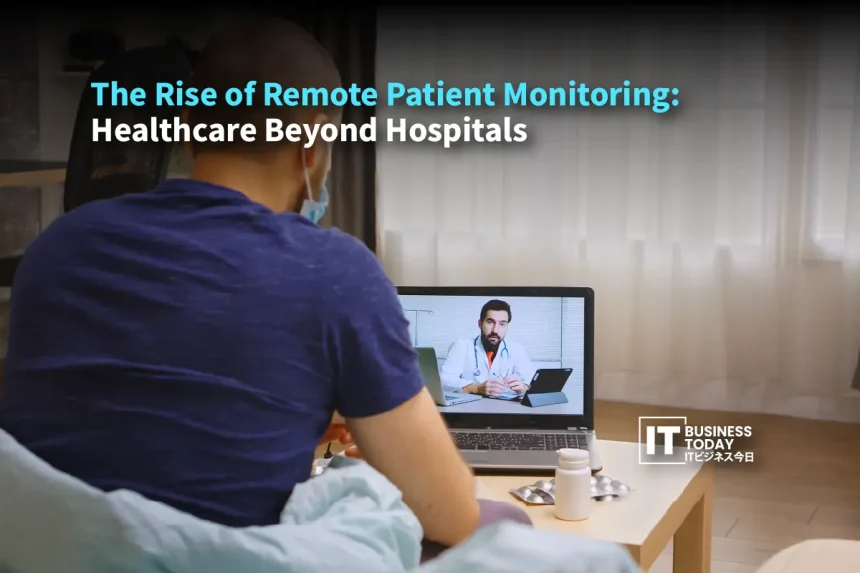
遠隔患者モニタリングは、いまだにCOVIDの残り物のようにパッケージ化されています。緊急時に機能するもので、便利だから残っているだけです。.
そのフレーミングはすでに遅れています。.
実際に起きていることは、もっと単純で、もっと大きなことです。医療は建物から離れつつあります。完全ではありませんが、十分に重要です。病院内はより少なく。もっと患者の周りに。症状を待つのではなく早期発見の増加。.

そして、このシフトが5年前ではなく、今起きているのには理由があります。.
によると World Health Organization, 非伝染性疾患は、世界全体の死因の74%を占めています。毎年1,500万人以上が早死にします。その圧力のほとんどは、継続的なケアのために設計されたことのないシステムの中にあります。.
こちらもお読みください: 日本のコネクテッド・インフラストラクチャー:スマート・ユーティリティと都市システムを支えるIoTの仕組み
だから、旧モデルにヒビが入り始めたのです。診察、検査、経過観察。問題が時折起こる場合には有効。問題が絶え間なく続くと失敗します。.
そこで、遠隔患者モニタリングが適しているのです。追加する機能としてではありません。どちらかというと、バックグラウンドで静かに監視し続けるレイヤーのようなものです。.
違いは簡単です。遠隔医療は、何かおかしいと感じたときに手を差し伸べるものです。遠隔患者モニタリングはその瞬間を待ちません。.
この記事では、遠隔患者モニタリングが実際にどのように機能するのか、実際の臨床でどのような場面で使用されているのか、経済的にどのような効果があるのか、まだ苦戦を強いられているのはどこか、そして今後どのような方向に進んでいくのかについて解説します。.
そして、これはもう初期段階ではないのです。メディケア&メディケイド・サービスセンター(Centers for Medicare & Medicaid Services)による診療報酬体系は、すでにこれを実際のワークフローに押し込んでいます。.
ですから、問題は成長するかどうかではありません。システムがどれだけ早く適応できるかということです。.
病院を超えた遠隔患者モニタリングの仕組み
遠隔患者モニタリングというと、普通はまずデバイスから入ります。腕時計、センサー、パッチ、アプリ。しかし、本当のシフトはそこではありません。.
デバイスは単なる入り口です。.
それよりも重要なのは、データがデバイスから離れた後に何が起こるかです。.
コネクティビティは物事を変えた最初のレイヤーです。5GとIoTによって、患者データは継続的に移動することが可能になりました。週に一度でもなく、誰かが手動で記録したときでもありません。常にです。心拍数、グルコース、酸素レベル、投薬パターン。データは流れ続けます。.
問題はここからです。データが多ければ多いほど、より良い医療が受けられるというわけではありません。それどころか、すぐに人々を圧倒してしまいます。.
初期のシステムはまさにそうでした。データを集め、アラートを出し、あとはすべて臨床医に任せていました。臨床医が一日中ダッシュボードをスキャンしている時間がないことに気づくまでは、それはいいように聞こえます。.
そこで状況が変わり始めています。.
2026年に, Google Cloud ジェミニ搭載AIエージェントへの動きを指摘。手作業の削減。サイロ化されたワークフローの削減。よりプロアクティブなシステム。.
簡単に言えば、システムは少しは考えるようになってきているということです。人間のようではありませんが、ノイズをフィルタリングするには十分です。.
生々しい数字を並べるのではなく、重要なことを強調するのです。パターンを結びつけます。実際に役立つフラグを立てるのです。.
そして、次に何をすべきかを提案してくれることもあります。最終決定ではなく、方向性を。.
臨床医の役割も変わります。彼らはもうデータを調べたりはしません。すでに意味のあるシグナルに反応するのです。.
しかし、システム同士が会話しなければ、どれもうまくいきません。.
ほとんどのセットアップが失敗するのはここです。あるデバイスはここに、ある記録システムはあそこに、別のダッシュボードは別の場所に。接続なし。.
遠隔患者モニタリングは、すべてが一体となって初めて機能します。デバイス、記録、分析、臨床医のツール。このリンクが切れてしまうと、全体が混乱してしまいます。.
そう、デバイスは重要。しかし、本当のところはその下にあるスタックなのです。接続性、処理、インテリジェンス、統合。そのすべてが連携しているのです。.
循環器・糖尿病・呼吸器領域における臨床的インパクト
ここが物事が持ちこたえるか、崩れるかの分かれ目です。.
遠隔患者モニタリングで転帰が改善されなければ、どんな技術も意味がありません。.
心臓血管のケアから始めましょう。.
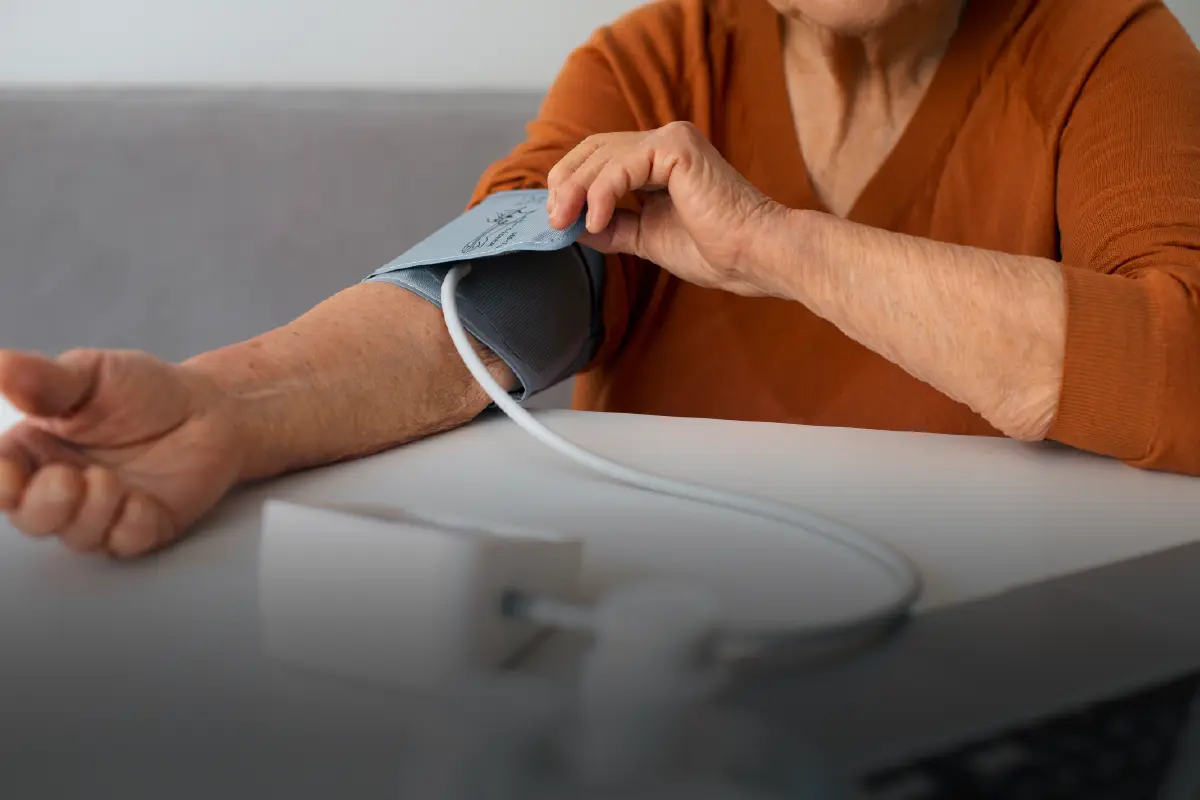
高血圧は劇的ではありません。だからこそ危険なのです。人はそれを感じないのです。.
世界保健機関によると, 1.4 billion 大人は高血圧と共存しています。約6億人は自分が高血圧であることに気づいていません。コントロールできているのはわずか3億2,000万人です。.
そのギャップは医療が足りないということではありません。時間の経過による認識不足です。.
クリニックで一度血圧を測ると、1つの数値が出ます。その数値は、正常でないパターンであっても正常に見えることがあります。.
遠隔患者モニタリングはそれを完全に変えます。スナップショットではありません。ストリームを得るのです。.
パターンが現れ始めます。繰り返すスパイク。緩やかな上昇。不規則な変動。.
医師は孤立した測定値に反応するのを止めます。トレンドの管理を始めるのです。.
今は糖尿病。.
この規模は決して小さくありません。1990年には2億人だったのが、2022年には8億3,000万人になります。しかも半数以上が投薬を受けていません。.
時々テストをして、それを管理してみてください。ただ、うまくいきません。.
指さし検査は規律次第。人はそれをさぼります。忘れるデータに一貫性がなくなります。.
持続グルコースモニタリングはそれを解決します。患者が覚えていようがいまいが、データが入り続けるのです。.
患者は因果関係を理解し始めます。食べ物の選択、睡眠パターン、活動レベル。それが目に見えるようになるのです。.
医師は限られたインプットから推測するのではなく、長い目で見ることができます。.
それから呼吸器 ケア.
これはあまり注目されていませんが、注目されるべきです。.
喘息やCOPDのような症状は、正しく一貫性のある薬の使用に大きく依存しています。服用を忘れたり、吸入器の使い方を誤ったりすると、時間の経過とともに症状が悪化します。.
遠隔患者監視システムに接続されたスマート吸入器が使用状況を追跡。パターンを表示します。何か異常があればフラグを立てます。.
だから、再燃を待つのではなく、早めに手を打つチャンスがあるのです。.
3つとも、シフトは似ています。.
より少ない推測。より見やすく。.
より少ない待ち時間。早めの行動を。.
メモリへの依存度低下。データへの依存度が高い.
それが本当の臨床的価値です。.
診療所と患者にとっての遠隔患者モニタリングの経済性
あとは、このどれもが実際にスケールするかどうかを決める部分です。.
経済的にうまくいかなければ、採用は遅くなります。結果がどんなに良くてもね。.
遠隔患者モニタリングが機能するのは、旧来のモデルにはなかった方法でインセンティブを調整できるからです。.
病院の再入院.
患者が退院すると、通常は空白期間が生じます。継続的な追跡ができません。可視性がありません。何か問題が発生した場合、それは遅れて現れます。.
それが再入院につながるのです。高くつくし、避けられるし、いらいらします。.
遠隔患者モニタリングにより、このギャップは縮小します。患者は常につながっています。臨床医は退院後の状況を見ることができます。.
小さな問題はより早く発見されます。それだけでもずいぶん変わります。.
これが、在宅病院モデルをより現実的なものにしています。これがなければ モニタリング, それは危険です。モニタリングがあれば、なんとかなります。.
今度は支払いモデルを見てください。.
医療は、受診に対する支払いから成果に対する支払いへと徐々にシフトしています。これは小さなことのように聞こえますが、インセンティブを完全に逆転させるものです。.
患者を安定させることで報酬を得るのであれば、常に患者を把握する必要があります。不必要な訪問を減らす必要があります。.
遠隔患者モニタリングは、その論理にそのまま当てはまります。.
患者にとって、そのメリットは単純明快です。.
移動が少ない通院回数の減少。問題が早期に解決されるため、長期的な費用が削減されます。.
しかし、最大の変化はその規模にあります。.
臨床医が毎日何百人もの患者を手作業で追跡することはできません。それは不可能です。.
システムは可能です。.
一人の臨床医が質を落とすことなく、より多くの患者を管理できるようになったわけです。そこに効率性が現れるのです。.
そこが持続可能になるところです。.
セキュリティ・プライバシー・アクセスをめぐる障壁
このあたりから居心地が悪くなるんです。.
なぜなら、摩擦のほとんどはここにあるからです。.
まずはデータから。.
健康データは機密です。気軽に持ち運べるデータセットではありません。強力な保護が必要です。HIPAAのようなコンプライアンス・フレームワークが基本ですが、真の信頼はコンプライアンスを超えるものです。.
暗号化、アクセス制御、監視。そのすべてが厳重である必要があります。.
それでも患者さんはためらいます。そして、そのためらいは正当なものです。.
それから相互運用性。.
さまざまなシステムがいまだに正しく機能していません。データはサイロに閉じ込められたまま。コンテキストが失われます。.
標準規格は存在しますが、採用にはばらつきがあります。それがすべてを遅らせるのです。.
そして人間的な面。.
誰もがテクノロジーに慣れているわけではありません。機器の扱いに苦労している患者さんもいます。インターネットが安定していない人もいます。ただ扱いたくない人もいます。.
それは本当です。.
ですから、遠隔患者モニタリングは、技術製品だけのように設計することはできません。シンプルでなければなりません。ほとんど目に見えないような。.
仕事だと感じれば、人は離れていきます。.
押しつけがましいと感じれば、抵抗します。.
つまり、より良いシステムを構築することだけが課題ではありません。使いやすく、アクセスしやすく、信頼しやすいシステムを作ることなのです。.
そうでなければ、それを最も必要としている人たちは使わないでしょう。.
モニタリングから予測へ
今のところ、ほとんどのシステムはまだ追跡と警告に重点を置いています。.
それはスタートレイヤーに過ぎません。.
次のシフトはすでに静かに起こっています。予言。.
長い時間をかけて十分なデータが蓄積されると、出来事が起こる前にパターンが現れ始めます。.
小さな信号。わずかな変化。ひとつひとつは深刻に見えなくても、組み合わさると意味を持ち始めるもの。.
ここでAIは、単に問題を指摘するだけではありません。.
先回りするんです。.
心臓疾患の可能性。グルコース急上昇。呼吸機能の低下。.
しかし、これはデータが使える場合にのみ有効です。.
そして、それは常に医療における問題でした。データは存在しますが、乱雑で断片的で、異なるシステムにロックされています。.
2026年、アマゾン・ウェブ・サービスは HealthLake 変換エージェントは、レガシー臨床データを数ヶ月ではなく数日でFHIR対応フォーマットに変換することができます。.
専門的に聞こえますが、重要なことです。.
データが使えるようになれば、予測が現実的になるからです。.
モデルの改善。シグナルはより明確に。決断はより速く。.
そうなれば、デジタル・ツインのようなアイデアは未来の話ではなくなるのです。そうなれば、デジタル・ツインのようなアイデアは、未来の話ではなく、実際に構築できるものになるのです。.
エンドノート
病院の重要性は変わりません。それは変わりません。.
しかし、彼らはもはやすべての中心ではありません。.
急性期医療複雑な症例。緊急事態。.
それ以外のものは、ゆっくりと外へ向かっています。.
遠隔患者モニタリングは、そのシフトのちょうど真ん中に位置しています。患者、臨床医、データを継続的につなぎます。.
隙間がない待ち時間が少ない.
より大きな変化は技術的なものではありません。精神的なものです。.
ヘルスケア 病気になってから治療するのではなく、長期的に健康を管理することです。.
そのシフトはスムーズではありません。ギャップがあります。抵抗もあるでしょう。.
しかし、方向性はすでに明確です。.
ケアは患者に近づいています。.
そして、家庭はそのほとんどが起こる場所になりつつあります。.


 日本語
日本語