 English




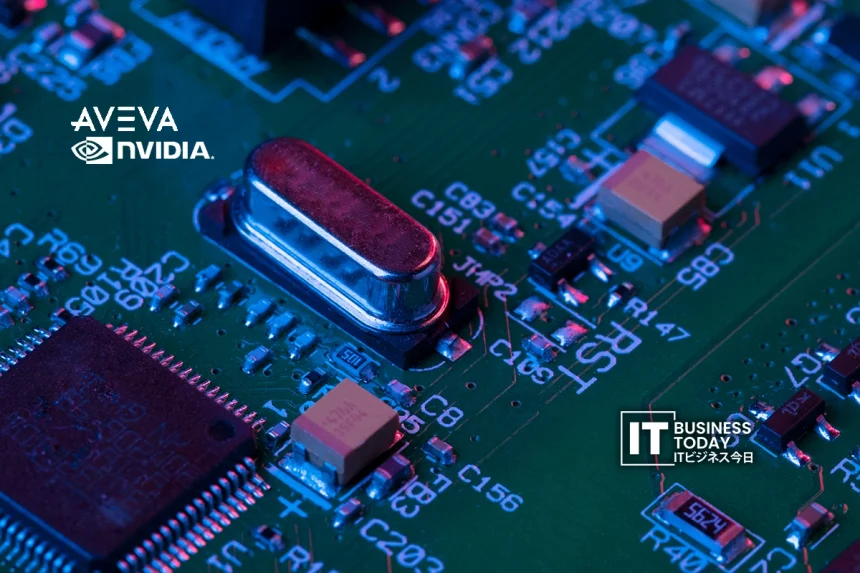
AVEVAとNVIDIAは、非常に具体的なことで協力することにしました。彼らは、理論上だけでなく、ライフサイクル全体にわたって、大規模なAI工場で実際に機能するデジタルツインのセットアップを構築したいと考えています。.
AVEVAのエンジニアリングおよびオペレーションソフトウェアをNVIDIA Omniverse DSX Blueprintに導入する計画です。そこから、ビッグデータセンター環境に展開できる物理モジュールとデジタルモジュールの両方を構築しています。ギガワット規模で稼働するAI工場を考えてみてください。このアプローチはEPCのスタイルに従って実行されるため、設計、構築、運用のすべてが、サイロで処理されるのではなく、接続されたまま維持されます。.
AVEVAが持ち込むのは、インダストリアル・スタック、特にCONNECTプラットフォームとデジタル・ツイン機能です。本番稼動前にすべてをシミュレーション、設計、最適化することで、AI設備の稼動にかかる時間を短縮するというアイデアです。同時に、コストと性能のプレッシャーの大部分を占めるGPUから、より多くの効率を引き出そうとしています。.

こちらもお読みください: ERI、伊藤忠商事と共同で日本発のE-Wasteベンチャーを立ち上げ
これは2社だけの問題ではありません。シュナイダーエレクトリックとETAPもその一員です。設計、シミュレーション、建設、運用を1つのフローでカバーすることができます。.
製品面では、AVEVA は複数のツールをシステムにプラグインしています。エンジニアリングは OpenUSD ベースのアセットをサポートし、チームは再利用と再設計を迅速に行うことができます。資産情報管理は、ライフサイクル全体にわたる真実の単一ソースとして機能します。プロセス・シミュレーションは、高密度のAIセットアップに不可欠な液体冷却ネットワークに重点を置いています。PIシステムは、ITとOTのデータを統合し、以下と接続することが期待されています。 NVIDIA’のNV-Tesseractモデルにより、大規模なリアルタイム分析が可能になりました。.
それからオペレーション。. AVEVA’の制御・運用プラットフォームは、電気、機械、安全システムを1か所に集約し、パフォーマンスの監視、問題の早期発見、データ量の多い環境の安定維持を容易にします。.
一歩下がれば、物事はここに向かっています。AIインフラは、バラバラに管理するには複雑になりすぎています。この種の統合は、新しいツールを追加することよりも、デプロイを遅らせずにすべてを連携させることが重要です。.


 日本語
日本語