 English





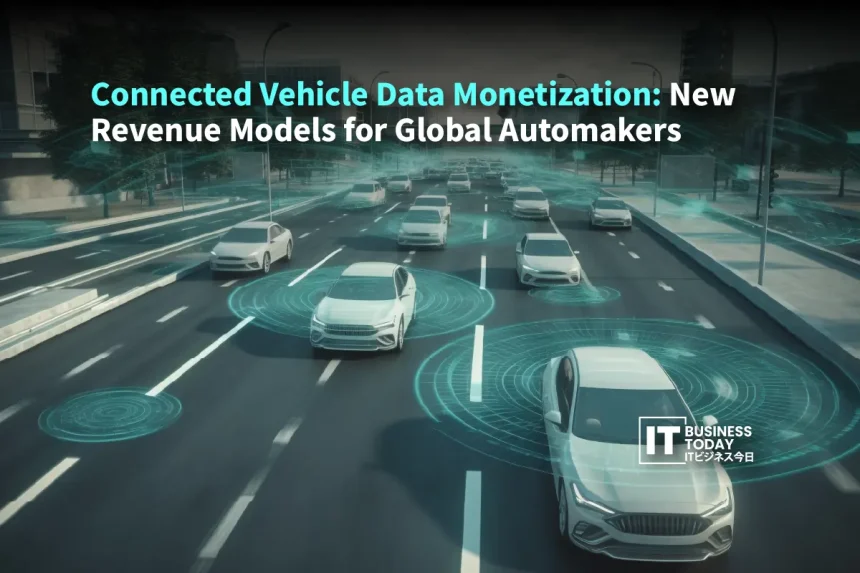
自動車はもはや、ソフトウェアの入った単なる機械ではありません。自動車は徐々に、たまたま動くソフトウェア・プラットフォームになりつつあるのです。このシフトは微妙に聞こえますが、すべてを変えます。何十年もの間、自動車メーカーは販売時点で利益を上げてきました。今日、そのモデルは崩壊しつつあります。マージンは厳しく、競争は厳しく、ハードウェアだけでの差別化は急速に薄れています。.
では、次の価値の層はどこから来るのでしょうか?データです。単なる副産物としてではなく、バランスシートに置かれ、活性化を待っている中核資産として。すべてのコネクテッド・カーは、信号、行動パターン、パフォーマンスに関する洞察をリアルタイムで生成しています。.
コネクテッド・ビークルのデータ収益化は、もはやサイド・プロジェクトではありません。システムは新たな成長エンジンへと進化しています。未処理のデータを予測可能な収入源に変換する能力を持つ企業が、将来の自動車市場のリーダーを決定するでしょう。.

こちらもお読みください: 日本のエッジ・アル:産業用および製造用エレクトロニクスへのインテリジェンスの組み込み
現代のデータ収益モデルの3つの柱
今日の本格的なコネクテッド・ビークルのデータ収益化戦略は、すべて3本の柱の上に立っています。1つを欠くと、全体の構造が弱くなります。.
直接的な収益化サービスとしてのデータ
まずは明白なプレー。データを売ること。しかし、生の、厄介な、特定可能なデータではありません。それは規制上の悪夢です。本当の価値は、匿名化され、集約された洞察にあります。.
交通渋滞を解決しようとする都市計画家のことを考えてみてください。あるいは、保険会社がより適切なリスク価格をつけようとしているところを考えてみてください。あるいは、店舗周辺の移動パターンを把握しようとする小売業者。自動車メーカーはこのようなインテリジェンスの上に座っています。そして、正しく構成されれば、それは売れる製品になるのです。.
しかし、これはプラグアンドプレイではありません。クリーンなパイプライン、ガバナンス、そして信頼が必要です。それがなければ、データの収益化は資産ではなく負債になってしまいます。.
間接的収益化:隠れた収益
ここで、ほとんどの人が筋書きを見誤ります。すべての収入が収入として表示されるわけではありません。一部は貯蓄として計上されます。.
コネクテッド・ビークルのデータ収益化は、バックグラウンドでも静かに機能します。保証コストを削減します。製品設計を改善します。故障率を未然に防ぎます。.
そこで、マイクロソフトのようなプラットフォームの出番です。企業はAzure Digital Twinsを使用して、実際の環境の仮想モデルを作成し、それを使用して機器のメンテナンスの必要性を予測し、運用効率を向上させます。.
分かりやすく言うと?高価になる前に問題を解決します。より良い製品をより早く設計できます。今まで追跡していなかった場所での資金流出を止めることができます。.
それは派手ではありません。でも力強い。.
付加価値サービス
最後に、最も目に見える層。顧客が実際にお金を払う機能。.
ここでシフトが現実のものとなります。テスラの報告 1.1 million フル・セルフ・ドライビングのアクティブ・ユーザーであり、サブスクリプション主導のモデルに移行しています。.
立ち止まって考えてみてください。かつて一度だけ販売された機能が、今では定期的な収益を生み出しているのです。.
それだけにとどまりません。パフォーマンス向上、ドライバー・アシスタンス、インフォテインメント・アップグレード。すべてがアンロック可能になりつつあります。.
コネクテッド・ビークルのデータ収益化とは、単に機能を売ることではありません。ショールームを出た後も、車を継続的にアップグレードすることです。これにより、ブランドと顧客の関係は、取引から継続的なものへと変化します。.
生データから収益へ
データを持つのは簡単。それをお金に換えるのは厄介なことです。ほとんどの自動車メーカーは、この問題をまだ解決していません。.
データの取り込みとエッジ処理
部屋の中の象に対処しましょう。なぜすべてのデータをクラウドに送らないのですか?
スケールが小さいから。コストが高い。そしてもっと重要なのは、時間がかかるということです。.
そこでNVIDIAの出番です。. NVIDIA DRIVE プラットフォームは、車両内でのリアルタイムAI処理を可能にし、クラウドベースのデータ処理への依存を低減します。.
そのため、すべてをクラウドに送信する代わりに、重要なデータをその場で処理します。つまり、意思決定の迅速化、コストの削減、ユーザー体験の向上を実現します。.
コネクテッドカーのデータ収益化は、これに大きく依存します。データの処理が遅れたり、コストがかかりすぎたりすると、効果的な収益化ができません。.
デジタル・ツインの役割
では、もう一歩進んでみましょう。実車に触れることなく、車のシミュレーションができるとしたらどうでしょう?
それがデジタル・ツインです。リアルタイムのデータを使って、企業は自動車の仮想レプリカを作成し、さまざまなシナリオをテストすることができます。.
前出のAzure Digital Twinsはこの場所で正常に機能します。このシステムは、自動車メーカーが運用効率を高め、車両設計を改善しながら、システム障害を予測することを可能にします。.
これは単なるエンジニアリングの効率化ではありません。これは財務インテリジェンスです。回避された失敗はすべてコスト削減につながります。設計が改善されれば、将来の収益が守られます。.
エコシステム・パートナーシップ
ここに不愉快な真実があります。どの自動車メーカーも、単独でこれを行うことはできません。.
コネクテッド・ビークルのデータ収益化にはパートナーシップが必要。保険会社、スマートシティプラットフォーム、クラウドプロバイダー、AI企業。誰もが役割を担っています。.
すべてを自社で構築しようとすると、スピードが遅くなります。さらに悪いことに、真の価値が生み出される広範なエコシステムから孤立してしまいます。.
勝者は、最も多くのデータを持つ者ではありません。そのデータに基づいてコラボレーションする方法を知っている者が勝者となるのです。.
プライバシーと利益のパラドックス

ここからが厄介なところです。データはお金を生みます。しかし、データは信頼を失うこともあります。.
コネクテッド・ビークルのデータ収益化は、プライバシーの問題を抜きにしては語れません。チェックボックスとしてではなく、戦略として。.
競争力としてのコンプライアンス
GDPR、CCPA、WP.29のような規制はしばしば障壁とみなされます。それは間違った見方です。.
これらのフレームワークにより、企業は安全性、透明性、説明責任を備えたシステムを構築しなければなりません。正しく実行されれば、コンプライアンスは差別化要因となります。.
お客様 自分のデータを尊重してくれるブランドを信頼します。そして、信頼はデータを共有する意欲に直接影響します。ひいては収益化の可能性にも影響します。.
同意管理
正直に言いましょう。ほとんどのユーザーは利用規約を読みません。しかし、彼らはコントロールに関心があります。.
明確でシンプルな同意の仕組みは重要です。どのようなデータが、なぜ使用されるのかを理解すれば、ユーザーは同意しやすくなります。.
コネクテッド・ビークルのデータ収益化は、監視ではなく、価値交換のように感じられれば、より効果的です。.
サイバーセキュリティの主権
コネクテッド・カーは、潜在的な攻撃の入り口でもあります。これがリスクの側面です。.
自動車が脆弱だとユーザーが感じれば、普及は遅れます。そして、採用がなければ収益化は崩壊します。.
つまり、サイバーセキュリティは単なるIT衛生ではありません。収益保護なのです。.
行動するグローバルリーダー
ここで理論と現実が出会うのです。コネクテッド・ビークルのデータ収益化について、さまざまなプレーヤーがどのように取り組んでいるかを見てみましょう。.
例えば、BMWはシートヒーターやドライバーアシスタンスなどの機能を購入後に有効にすることができます。 Connected Drive プラットフォーム.
これは微妙な、しかし力強いシフトです。クルマはもはや納車された時点で完成品ではありません。進化するプラットフォームなのです。.
テスラがサブスクリプションで行っていることと組み合わせてみましょう。ひとつはユーザーの意欲をテストすること。もうひとつは収益化の拡大です。.
これらのことは、顧客は単に所有権を先行させるだけでなく、継続的な価値に対して対価を支払う用意があることを示しています。.
フォード・モーター・カンパニーは BlueCruise ハンズフリードライビングシステムは、月額プラン、年間プラン、ライフタイムプランなど、柔軟な価格設定モデルをご用意しています。.
これは単に機能を提供するということではありません。さまざまな顧客がどのように支払いたいかを理解することです。.
エントリーコストの低さを好む人もいます。また、長期保有を望む人もいます。複数の価格モデルを提供することで、フォードは幅広い収益基盤を獲得しています。.
一方、テレマティクスとフリート・サービスの業界全体への広がりは、商用車を経常的な収益源に変えつつあります。.
コネクテッド・ビークルのデータ収益化は、個々の機能よりも継続的なサービス提供が重要です。.
AIと5Gの統合の将来性
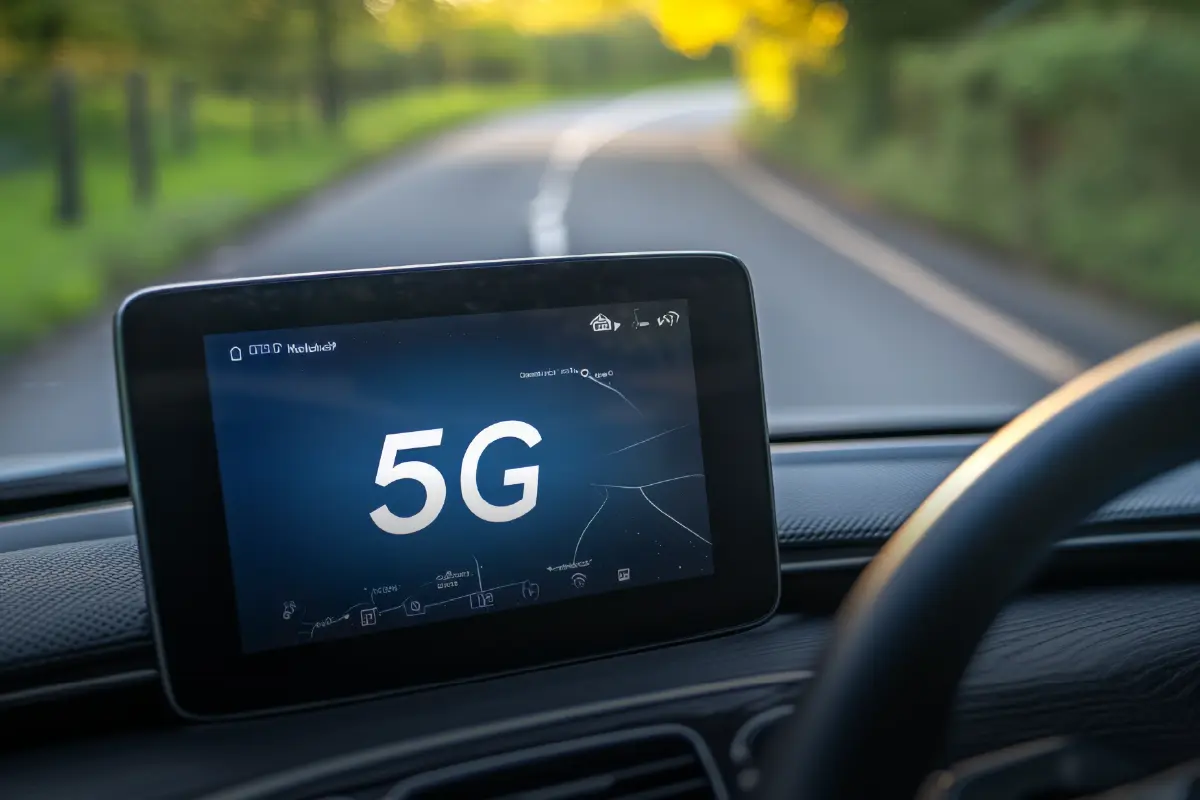
次の段階は漸進的ではありません。指数関数的です。.
V2Xとリアルタイムの収益化
5Gでは、車両は周囲のあらゆるものと通信できます。交通システム、インフラ、他の車両。.
これにより、リアルタイムのデータ交換が可能になります。そしてリアルタイムのデータにはリアルタイムの収益化があります。.
交通インサイト、セーフティ・アラート、ダイナミック・ルーティング。これらは単なる機能ではありません。パッケージ化して販売できるサービスです。.
ジェネレーティブAI コックピットにて
その上にAIを重ねます。車は文脈を理解し始めます。好み。行動。.
音声アシスタントがよりスマートに。おすすめはパーソナライズされたものに。機内への商業参入。.
コネクテッド・ビークルのデータ収益化は、機能を超えて体験へと移行します。そして、体験こそが利幅を拡大する場所なのです。.
2030年までのロードマップ
これはオプションではありません。そうではありません。.
コネクテッド・ビークルのデータ収益化は、すでに自動車メーカーの収益に対する考え方を変えています。1回限りの売上から継続的な価値創造へのシフトがリアルタイムで起こっています。.
勝つのは、最高のハードウェアを持つ企業ではありません。勝つのは、最高の データ 戦略です。
本当の問題は単純です。データはまだサイロの中に眠っているのか、それとも中核的なビジネス資産として扱われているのか。
2030年までには、この2つの考え方のギャップは目に見えるものになるだけではありません。取り返しのつかないことになるからです。.



 日本語
日本語