 English





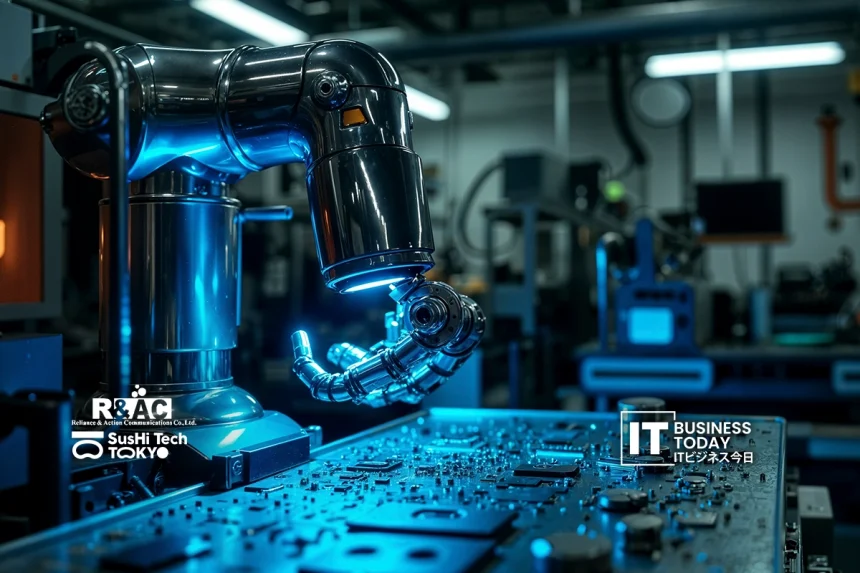
Sushui Techは、東京で開催されるWorld Smart Energy Week 2026において、次世代燃料電池製品を搭載した新しい燃料電池クラウドサービスを発表します。このような動きは、世界中の顧客に対して効率的で環境に優しい電力オプションを提供するため、クリーンエネルギーの進歩が活発化していることを示しています。.
同社はイベント期間中、ブースでこのサービスを紹介する予定。また、200ワットの定置型ダイレクト・メタノール燃料電池発電機も公開予定。この発電機は、安定したオフグリッド電力とバックアップ電力を供給するよう設計されています。この設計により、グリッドへのアクセスが制限されたり中断されたりした場合でも、信頼性の高いエネルギーを供給することができます。新しいクラウドプラットフォームは、燃料電池の遠隔監視と制御を可能にします。顧客はシステムを通じて、性能の追跡、設定の調整、アラートの受信が可能。今回の発売は、よりスマートで応答性の高いエネルギー・ソリューションへの一歩となります。.
燃料電池管理への新しいアプローチ
Sushui Techsの燃料電池クラウドサービスは、デジタルリンクを使用して燃料電池システムの管理と監視を支援します。オペレーターは離れた場所から性能データを確認し、より良い結果を得るためにシステム設定を調整し、メンテナンスの必要性をすぐに見つけることができます。.

こちらもお読みください: 日産、Uber、Wayveが提携、東京でロボットタクシーの実証実験を開始
クラウド・モニタリングは、特に遠く離れた場所や中心部以外の場所に設置された設備のために、エネルギー分野で台頭してきています。クラウド技術と燃料電池をリンクさせることで、企業は継続的な経費を削減し、安定的かつ効率的な発電を行うことができます。.
このデジタルシフトは、燃料電池がソフトウェアやデータツールと連携して動作するスマート・エネルギー・セットアップに向けた大きな動きに適合していることが判明しました。このサービスは、オペレーションに関するリアルタイムのフィードバックを提供することで、システムのスムーズな稼働を維持します。(これは抽象的なアイデアを、労働時間の節約や故障の減少といった具体的な成果に置き換えるものです。.
注目されるダイレクト・メタノール型燃料電池技術
Sushui Techが発表した新しい定置型発電機は、電気化学的な方法でメタノールを電気エネルギーに変換する燃料電池の一種であるダイレクト・メタノール型燃料電池(DMFC)技術に基づいています。従来の燃焼式発電とは対照的に、DMFCシステムははるかに低い排出レベルで電気を生成します。.
これらの燃料電池は、特に安定した電力供給が必要でありながら、電力網へのアクセスが非常に限られている、あるいは全くないようなシナリオ、例えば通信インフラ、遠隔地の工業地帯、非常用電源システム、携帯用エネルギー・ソリューションなどにおいて、優れた代替品となります。.
メタノールは水素よりも貯蔵や輸送がはるかに容易なため、DMFCはオフグリッドやモバイル電源の目的で研究されているクリーンエネルギー技術のひとつです。.
エネルギー転換で高まる燃料電池の役割
各国がよりクリーンなエネルギーへとシフトする中、燃料電池が脚光を浴びています。水素が注目される中、安定した電力供給を犠牲にすることなく公害を削減するため、政府関係者も企業もこのツールに資源を投入しています。.
世界スマートエネルギーWeekのようなものは、再生可能エネルギー、水素セットアップ、電力貯蔵、さらにデジタルグリッドツールにおける新しいアイデアを明らかにする場を企業に提供します。ここでの進展が、将来対応可能なエネルギー・ネットワークへの動きを加速させます。.
止まることのない電力需要は、特に石油や石炭との関係を断ち切ることが重要な場合、燃料電池に関心を集めます。風力発電や太陽光発電の稼働率が高まる中、燃料電池は、太陽が沈んだり風が弱まったりした場合でも安定した出力を供給することができます。.
クリーンエネルギー技術産業への影響
エネルギーとデジタル・システムを活用することが一般的になりつつあります。電力ネットワークが分散型モデルやリアルタイムデータへと移行する中、生産と供給を管理するソフトウェアは物理的な設備と同じくらい重要です。.
デジタルツールが機械と同じように効率化を推進するということでしょうか?クリーンエネルギー分野の企業は、クラウドサービス、産業用センサー、メンテナンス予測アプリに成長経路を見出しています。エネルギー出力をスマートシステムにリンクさせる企業は、業界の成長とともに他社を凌駕する可能性が高いでしょう。.
アジアにおける燃料電池の進歩は加速しています。日本、韓国、中国は水素と燃料電池のネットワークに資金を投入しています。この取り組みは、二酸化炭素排出量を削減するという長期的な目標を支えるものです。この投資は、地域戦略の強力なシフトを反映しています。.
持続可能なエネルギーの可能性
クリーンで効率的な電力に対する世界的な需要は急速に高まっています。Sushui Techsの燃料電池クラウド・サービスは、小規模な遠隔地でのエネルギー管理方法を定義するのに役立つかもしれません。このサービスは、燃料電池デバイスとクラウドベースの制御を融合させたもの。このセットアップにより、同社は急速に変化するグリーンエネルギー市場の中心に位置することになります。.
再生可能エネルギー、デジタルツール、スマート電力制御。これらのシステムは本当に未来なのでしょうか?より多くの産業が代替電源に切り替える中、DMFC発電機とクラウド連携プラットフォームは、次世代の電力ソリューションの中心的存在となる可能性があります。分散型エネルギーへのシフトはすでに始まっています。.


 日本語
日本語