 English





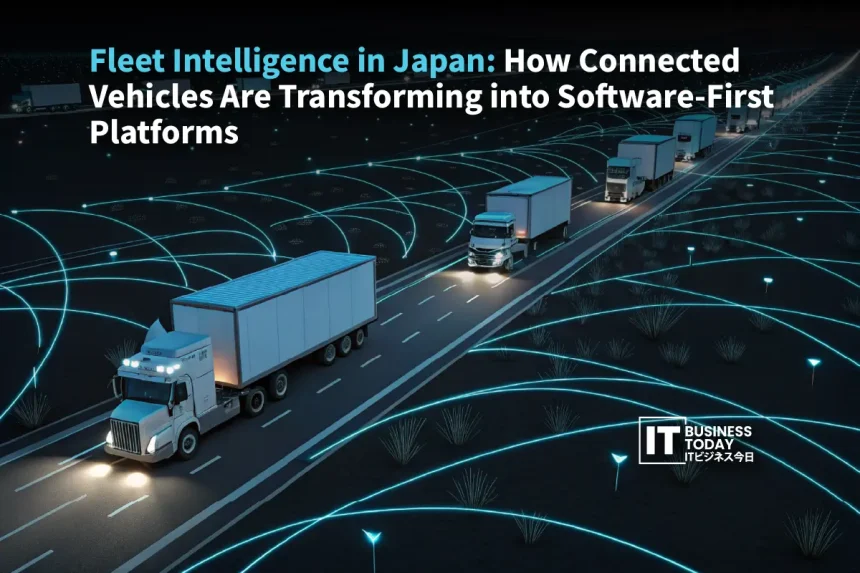
日本は昔からハードウェア大国。モノづくり"。精密さ、品質、長持ちする機械。自動車、トラック、ロボット。しかし今、状況は変わりつつあります。自動車はもはや単なる機械ではありません。ネットワークのノードになりつつあるのです。ソフトウェアが主役になりつつあるのです。自動車は動きながら学習し、会話し、適応していきます。.
シフトは急速に進んでいます。労働力不足により、従来の方法でフリート運行を行うことは難しくなっています。同時に、テクノロジーも整ってきています。. AI, 接続性、予測ツール、そのすべてがここにあります。企業は現在、ソフトウェアを通じてトラックや配送を管理することができます。問題が発生する前にそれを察知することができます。リアルタイムでルートやメンテナンスを最適化できます。.
日本のフリートは単なるGPS追跡を超えつつあります。ソフトウェア・ファーストのエコシステムになりつつあるのです。トラックは荷物を運ぶだけではありません。データを運んでいるのです。ロジスティクスの課題が危機となる前に解決しているのです。.

こちらもお読みください: コンテクストアウェアAIの台頭:機械が真のビジネスニーズを把握するための新しい技術
日本の「2024年問題」と物流危機
日本では、2024年以降、トラックドライバーは、次の労働条件を超えて働くことができなくなります。 960時間 年間残業時間の政府は従業員の福祉を確保するためにこの上限を設けました。安全面では理にかなっています。しかし、物流にとってはショックです。トラックは日本の貨物輸送の約91.7%を担っています。これは非常に大きい。労働時間を削減すれば、トラックは追いつけなくなります。専門家によれば、この結果、輸送サービスのキャパシティが直ちに14%減少することが予想されます。このままだと、2030年には34パーセントに達するかもしれません。それは遠い未来のことではありません。それはすでにここにあり、急速に近づいているのです。.
国土交通省は2024年のドライバーの行動を調査。道路を走るドライバーの1回あたりの運転時間は、昨年と比べて約40分減少。運転時間は減っています。しかし、待機時間や積み込み時間はあまり変わっていません。トータルの配送プロセスは遅くなっています。システムは伸び悩んでいます。ドライバーが足りない増員は容易ではありません。従業員の高齢化。人手不足。人を増やすだけでは不可能。.
だからこそ、フリートインテリジェンスが重要なのです。トラックはスマートソフトウェアによって、より多くのことができるようになります。ルートはリアルタイムで変更できます。何かが壊れる前にメンテナンスを予測できます。配送は効率的にスケジュールできます。1分1秒、1マイルが重要なのです。トラックはドライバーのために少し考えてくれる道具になります。企業には待っている余裕はありません。先に動いた者が、よりうまく危機を管理できるのです。.
選択肢は明確です。フリート・インテリジェンスは単なる "いいとこ取り "ではありません。生き残るためのものなのです。日本には問題があります。ソフトウェアとデータが解決策です。企業がいかに早く行動を起こすかによって、先んじるのか、遅れをとるのかが決まります。.
ハードウェアからソフトウェア定義車両(SDV)へ
日本ではクルマが変わりつつあります。もはや単なる金属とエンジンではありません。ソフトウェアのプラットフォームになりつつあるのです。SDVと呼ばれています。つまり、クルマは時間とともに良くなっていくのです。アップデートは無線で送られます。新しい機能を手に入れるためにガレージに行く必要はありません。車は使っている間に学習します。適応できます。改善することができます。.
トヨタはこのシフトをリードしています。彼らはアレーネというオペレーティング・システムを構築しました。これはフリート管理のために作られたものです。自律走行もサポートします。リモートで新しい機能を統合することもできます。トヨタはWoven Cityでフリートテストも行っています。これはスマートビークルのための実験都市です。そこでは車、道路、クラウドシステムが互いに会話します。単なるアイデアではありません。現実なのです。車とシステムは継続的にデータを交換します。.
ホンダも同じような仕事をしています。ホンダ0シリーズです。これは先進運転支援システム(ADAS)に焦点を当てています。レベル3の自動化はドライバーを助けます。疲労を軽減します。安全性も向上します。トラックや配送車に副操縦士がいるようなものです。ステアリングやスピードはクルマが操作します。ドライバーは必要なときだけ介入します。長時間の移動や混雑したルートでは便利です。.
その背景にある技術も変化しています。かつて自動車には、多数の電子制御ユニット(ECU)がありました。それぞれが小さな機能を処理していました。ブレーキ、エンジン、ステアリング。現在、SDVは集中型ゾーン・アーキテクチャを採用しています。フリートマネージャーは、単一のシステムから速度、バッテリー使用量、ルートを制御できます。アップデートをプッシュすることもできます。パフォーマンスをモニターすることもできます。何かが壊れる前にメンテナンスを予測することもできます。.
トヨタ とNTTが2024年10月に共同構想を発表。両社が目指すのは、自動車、ネットワーク、ソフトウェアをつなぐプラットフォームの構築。目標はより安全なフリート。目標はより効率的なフリート。これは、日本企業がハードウェアの枠を超えて考えていることを示しています。自動車をソフトウェア・プラットフォームとして構築しようとしているのです。.
SDVは遠い存在ではありません。ここにいるのです。日々進化しています。いち早くSDVを導入したフリートは、安全性が向上します。より効率的に走ることができます。よりスマートになります。.
日本におけるフリートインテリジェンスのコアアプリケーション
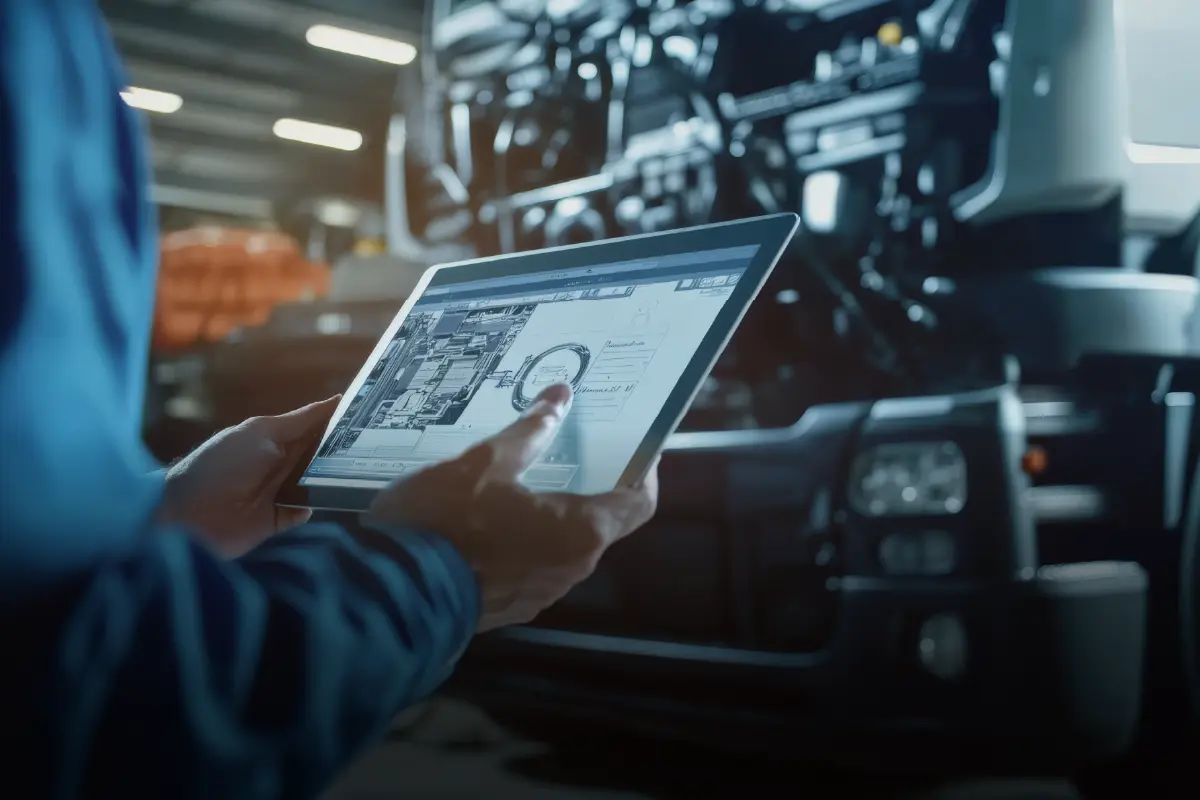
フリートインテリジェンスは、日本における車両の働き方を変えつつあります。もはや地図上でトラックを追跡するだけではありません。よりスマートにすることです。大きな分野のひとつが予知保全です。以前は、故障してから修理していました。それでは時間が無駄になり、遅れが生じます。今ではAIが部品の故障時期を予測できるようになりました。トラックが動かなくなる前に修理することができます。ドライバーには限りがあるため、これは重要なことです。すべての配送が重要です。ダウンタイムには大きなコストがかかります。.
バッテリー管理もAIが役立つ分野です。日本は電気自動車を増やしています。バッテリーは高価で、充電には時間がかかります。AIは各バッテリーの健康状態を予測することができます。また、エネルギーコストを節約するために、オフピークの時間帯に充電のスケジュールを立てることもできます。そうすることで、必要なときに必要な車両を準備することができます。フリートは充電を待つためにアイドル状態になることはありません。すべてがスムーズに運びます。.
ルートも日本とは違います。道路は狭い。都市は混雑しています。トラックはアメリカやヨーロッパと同じルートを通ることはできません。フリート・インテリジェンスは車両のサイズに合ったルートを計画することができます。ターンやタイミングを計算し、遅れを回避することができます。ドライバーは渋滞に巻き込まれたり、狭い道路を通り抜けようとする時間を減らすことができます。.
ソフトバンク もこれに取り組んでいます。彼らは交通を理解するマルチモーダルAIを開発しました。これは道路を監視し、車両のナビゲーションをリアルタイムで支援する機能を備えています。これは運転における完全および部分的な自律性をサポートするものです。これにより、貨物車は渋滞を避け、最適な経路を選択することが可能になります。これは、常に一歩先を行き、即座に調整を行う思索者を車両に配置することに似ています。.
これらのアプリケーションを組み合わせることで、フリートはよりスマートになります。トラックはより少ない労力でより多くのことをこなします。配達は時間通りに行われます。エネルギーと時間が節約されます。ドライバーのストレスは軽減されます。企業は2024年問題に対処しやすくなります。フリートインテリジェンスは単なるテクノロジーではありません。日本の現代物流のバックボーンなのです。.
文化的・構造的課題
フリート・インテリジェンスはエキサイティングです。トラックをよりスマートにすることができます。配送をより速くすることができます。ドライバーのストレスも軽減できます。しかし単純ではありません。現実的な問題もあります。日本には大きな人材格差があります。機械エンジニアはたくさんいます。しかし、ソフトウェア・エンジニアはほとんどいません。コードを書いたりシステムを管理したりできる人材が十分でない以上、ソフトウェア・ファーストのフリートが機能するようにするのは難しい。.
それから、古いシステムもあります。多くの物流会社はいまだに紙を使っています。まだハンコで承認しています。最新のフリート・ソフトウェアと連動しない古いITシステムもあります。スマートなソフトウェアをインストールするだけで、それが実行されることを期待することはできません。時間がかかります。努力が必要です。忍耐が必要です。.
サイバーセキュリティ も大きな課題です。フリートがソフトウェア・プラットフォームになると、ハッキングされる可能性があります。ハッカーが車両に干渉する可能性もあります。ハッカーは車両に干渉するかもしれません。データを盗むことも。日本はフリート輸送をより安全にするために国連規則155号を実施しています。この規則に従うことは容易ではありません。企業はトラックとデータの安全性を一から考え直さなければなりません。.
これらの課題は採用を遅らせます。ソフトウェア・ファーストのフリートを構築するのは難しい。しかし、人材不足に対処し、古いシステムを近代化し、ソフトウェアを保護する企業は、はるかに先を行くでしょう。それは平坦な道ではありません。困難です。しかし、日本がよりスマートで、より安全で、より効率的な車両を望むのであれば、それは必要なことなのです。.
2030年への道
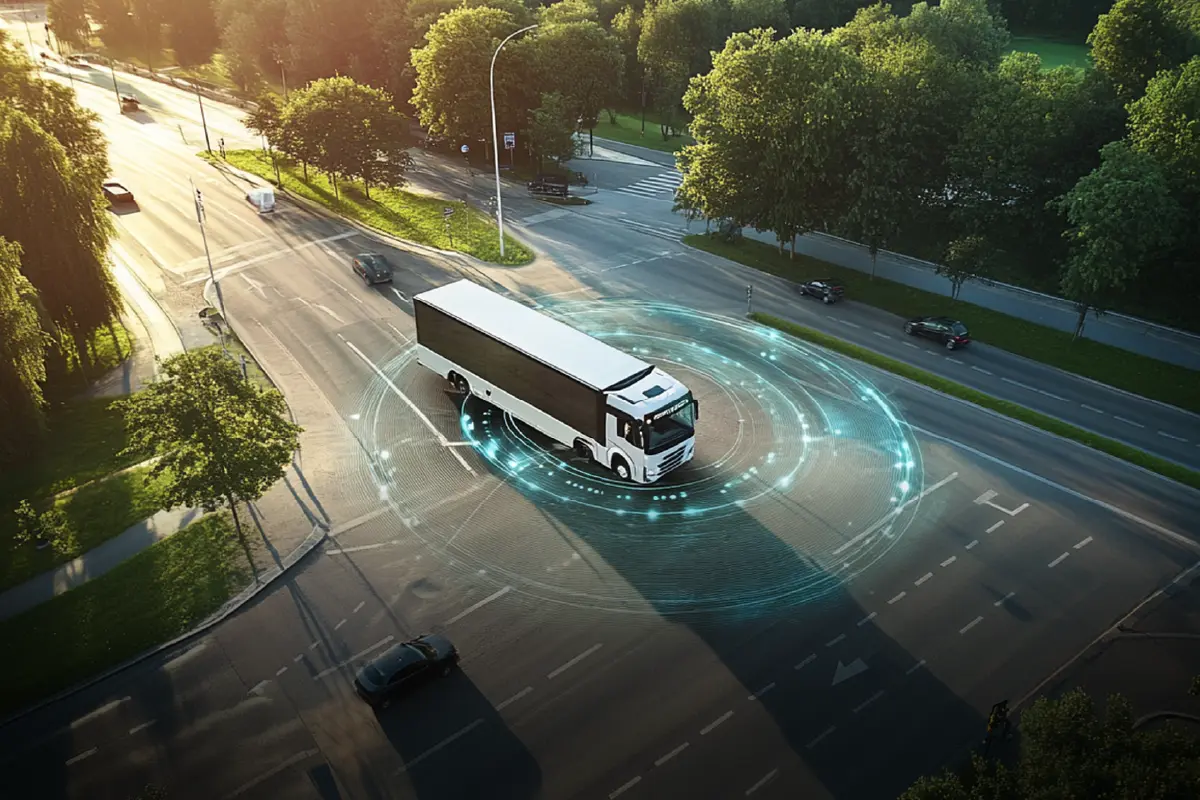
日本は先を見据えています。政府は大きな計画を持っています。そのひとつが自動車専用道路。これは高速道路に設けられた自動貨物用の特別レーン。トラックはこのレーンを自分で運転することができます。より効率的に荷物を運ぶことができます。人的ミスが減少。渋滞も減少。これはまだ計画中です。しかし、このアイデアは日本がスマート・ロジスティクスにどれほど真剣に取り組んでいるかを示しています。.
コラボレーションも進んでいます。競合他社は データ. .トラックへの積載率を上げたいと考えています。今は積載率が低い。平均で40%前後。空スペースが無駄になっています。データを共有することで、トラックを満車にすることができます。そうすれば経費が節約でき、トリップも減ります。環境にも優しいのです。.
2030年への道のりはハードルだらけ。技術、ルール、文化をさらに発展させる必要があります。とはいえ、日本がそれを成し遂げれば、より速く、よりインテリジェントに、そしてうまくリンクした車両が生まれるでしょう。輸送の未来は、ソフトウェアが支配し、共有することになるでしょう。.
エンドノート
日本は危機に直面しています。トラックドライバーは不足。配送は逼迫しています。しかし、日本はこの問題をチャンスに変えようとしています。フリート・インテリジェンスは、もはや地図上の点を追跡するだけではありません。ソフトウェア資産の管理です。トラック、ルート、データはすべて連動しています。今行動する企業が優位に立てます。フリートオペレーターは、自社の技術スタックを監査する必要があります。車両がSDVに対応していることを確認する必要があります。待っていては遅れをとります。未来は、ソフトウェアで考え、適応し、改善するフリートのものです。日本はその方法を示しています。.



 日本語
日本語