 日本語
日本語 



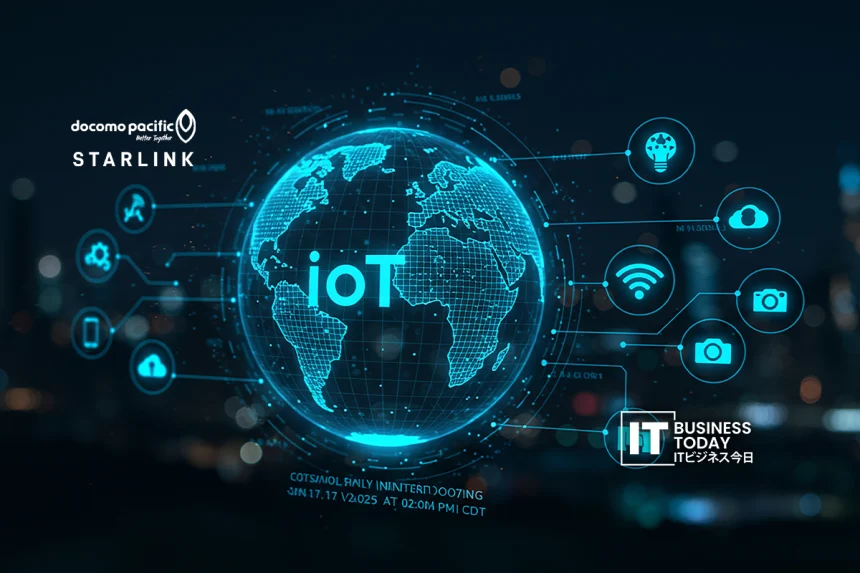
DOCOMO PACIFIC, which is an affiliate company of NTT DOCOMO, has rolled out Starlink Mobile to offer free emergency connectivity to their customers during network outages. This move is another landmark event in the history of satellite-to-mobile communication systems. It offers users whose mobile phones are compatible with such technology the ability to maintain essential connectivity despite the absence of traditional network systems. This move demonstrates the increasing role of direct-to-device (D2D) satellite communication systems for the creation of resilient and disaster-proof communication networks by telecoms.
This move further highlights Japan’s approach to incorporate satellite technology in the future telecommunication infrastructures. Due to the changing environment with increased incidences of climate-induced disasters and cybersecurity challenges, telecom operators in Japan are looking to build networks that can withstand difficult situations.
Satellite-to-Mobile Technology Enters the Mainstream
Mobile communication networks use earth-based cell towers, fiber connections, and power grid to function. However, although these mobile communications infrastructures are highly reliable under typical circumstances, they are not capable of operating without any disruptions caused by natural disasters or geographic and infrastructural challenges.

Direct-to-device via satellites technology solves these problems by allowing satellite-compatible smartphones to communicate directly with the LEO satellites, without using specialized satellite telephones. In such a way, the users will be able to send emergency messages or make basic communications regardless of the non-availability of regular terrestrial networks. The DOCOMO company has been developing its satellite D2D technology together with Starlink.
DOCOMO PACIFIC is an example of the development of the new satellite connectivity capabilities into an integral part of today’s telecommunication networks.
Strengthening Japan’s Telecommunications Leadership
For Japan, the launch is about more than international upgrades to its telecommunications capabilities.
NTT DOCOMO has been continuously focused on developing cutting-edge telecommunications technology, such as 5G, Open RAN, non-terrestrial networks (NTN), and satellite communication technology. This can be seen through DOCOMO PACIFIC and how its technological know-how is being used on an international scale while gaining useful experience for future use back home.
This is further supported by Japan’s other efforts at investing in sovereign satellite communications technology, robust digital infrastructure, and next-generation connectivity solutions to support the government, businesses, and consumers.
With the increasing integration of terrestrial and satellite networks in global telecommunications, Japan is looking to take advantage of this shift in the industry.
Improving Disaster Preparedness and Public Safety
Enhanced disaster resilience is one of the key advantages of satellite-to-mobile communications.
Areas that are vulnerable to typhoons, earthquakes, tsunamis, and other natural disasters usually see their terrestrial communications network destroyed. It becomes vital during such periods to preserve basic services for ensuring communication capabilities.
With satellite-to-mobile communications allowing the customer to stay connected via satellite communications network despite damage done to traditional communications infrastructure, the provider can enhance emergency communications and reduce disruptions of services.
As Japan is one of the countries where disasters occur the most frequently, the development of resilient communications infrastructure is especially important there. Satellite D2D technologies will probably become more common tools in future national disaster preparedness plans.
New Opportunities for Japan’s Technology Industry
The rising use of satellite communications presents opportunities for various segments within the technology space in Japan.
Companies that make telecommunication devices, satellite technology, semiconductors, cloud service providers, AI software companies, and cybersecurity service providers would all benefit from investments in non-terrestrial networks.
AI would be especially useful in the optimization of satellite traffic, network congestion prediction, resource management automation, and cybersecurity in a hybrid communication environment.
The integration of AI, 5G, edge computing, and satellite communication would help facilitate services within various sectors like logistics, shipping, aircraft, farming, mining, and public safety.
Tech companies in Japan focusing on these areas would find themselves in an ideal position to create some innovative solutions utilizing ubiquitous connectivity.
Benefits for Businesses Operating in Japan
Enterprises have become highly dependent on reliable connection for cloud computing, IoT, remote operations, and other digital services.
Mobile connectivity solutions that rely on satellites ensure companies greater business continuity as it becomes possible to maintain alternative connectivity channels in case of disruptions of terrestrial infrastructure. Remote working organizations that include constructions, offshore drilling facilities, transportation infrastructure, and energy sector can greatly benefit from increased availability of satellite solutions.
Companies such as financial institutions, healthcare providers, manufacturing companies, and governmental agencies will be able to maintain secure business continuity in case of emergency situations.
There is a great potential for the increased adoption of hybrid connectivity solutions.
A Glimpse Into the Future of Mobile Networks
DOCOMO PACIFIC’s implementation serves as an example of the evolution of the telecommunications industry toward a seamless blend of terrestrial and satellite technologies.
In this regard, in the future, it will be possible that mobile technologies will be able to shift automatically from cellular towers to satellites depending on the availability of coverage.
It should be noted that such a vision is quite in line with the digital transformation strategy of Japan as its focus lies on robust infrastructure able to support AI technologies, smart cities, autonomous transport, and connected industries.
The implementation of satellite direct-to-device services can be viewed as both the development and the chance to become globally competitive for the Japanese telecommunications industry.
Thus, with growing interest in the area of resilient communications, it is quite obvious that Japanese telecom innovations help shape the future of connectivity.



 English