 日本語
日本語 





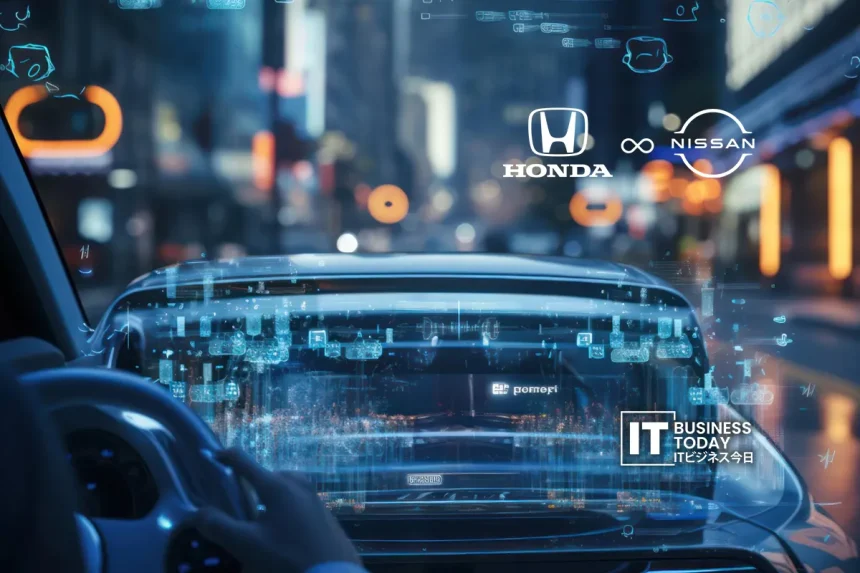
Japan’s automotive industry is moving into an era. In this era software, computing power and connected services are just as important as engines and mechanical parts. To meet this shift Nissan Motor Co. And Honda Motor Co. Have signed a development agreement. The goal is to standardize electronic systems and software for future vehicles.
The partnership will focus on shared specifications for electronic control units (ECUs) the vehicle operating system, middleware and vehicle-control software. Nissan and Honda plan to start putting the built technologies into next-generation software-defined vehicles (SDVs) starting in fiscal 2029.For Japan’s technology sector this agreement is more than an automotive deal. It shows how the country’s strong manufacturing base is changing. That change is happening around intelligence, software, semiconductors, cloud connectivity and advanced vehicle computing.
Software Becomes a Core Automotive Technology
Software-defined vehicles are different from cars. They allow many functions to be controlled improved or added through software even after the car has been built. Of seeing a car as a finished product automakers now see it as a computing platform. This platform can get software updates support digital features and handle data, from cameras, sensors and other systems.
Nissan and Honda’s plan highlights this change. Their cooperation will include high-performance computing units and zone ECUs. It will also cover the operating system, middleware and vehicle-control software that link these parts together. For drivers the long-term effect might mean faster software updates, better driver-assistance tools and connected services. For automakers the risks are much greater.
Why Nissan and Honda Are Sharing Technology
Developing a software architecture on its own costs a lot of money and takes a long time. Automotive software also needs a lot of testing because any failure can affect the safety of the vehicle. By sharing development work Nissan and Honda can spread the cost of investment. May shorten the time needed for development.
Nissan and Honda expect that standardization will improve the efficiency of development, costs and create economies of scale. This agreement comes after discussions of cooperation between Nissan and Honda even though the proposed business integration did not go ahead. This approach could become more common throughout Japans sector.

Of each automaker creating a completely separate technology stack manufacturers may increasingly work together on the underlying infrastructure and still compete in vehicle design, services and customer experience.
Japan’s Automotive Technology Supply Chain Could Change
The impact will reach beyond Nissan and Honda. A shift toward vehicle computing creates opportunities for companies that supply processors, sensors, networking components, cybersecurity systems and software‑development tools.
Japanese semiconductor manufacturers could benefit because vehicles need powerful computing platforms. Sensor suppliers may also see demand because vehicles rely on more cameras, radar and other technologies for driver assistance and automated functions.
Software companies will play a bigger role.
Automotive suppliers that have historically focused on parts may need to develop expertise, in embedded software, operating systems, cybersecurity and cloud connectivity. This could slowly change the structure of Japans supply chain with software taking a larger share of the value created by each vehicle.
AI Could Become a Major Part of the Vehicle Platform
Artificial intelligence is likely to be one of the beneficiaries of this transition.
Future vehicles will generate quantities of data from cameras, sensors and internal systems. AI can use that information to improve driver assistance understand road conditions personalize vehicle functions and predict maintenance requirements.
A common software architecture could make it easier for Nissan and Honda to deploy AI-related capabilities across vehicle models.
The technology could also support applications such as intelligent voice assistants, predictive maintenance and more advanced navigation systems.
However AI inside vehicles has requirements from AI used in smartphones or cloud applications. Automotive systems must operate reliably under changing conditions and meet strict safety requirements.
That will create demand for automotive AI rather than simply adapting consumer-facing AI models.
Cybersecurity Will Become Important
Greater software integration also creates a larger cybersecurity challenge. As vehicles become connected to cloud services, smartphones and external networks their attack surface expands. A vulnerability in an operating system or electronic control unit could potentially affect vehicle functions.
Standardization could make development more efficient. It also means a vulnerability in a shared architecture could potentially affect a larger number of vehicles.
Nissan, Honda and their technology partners will therefore need to build security into the architecture from the beginning.
Japanese cybersecurity companies could benefit from this growing requirement. Vehicle security testing, secure software updates, intrusion detection and protection of vehicle-, to-cloud communications could become important commercial markets.
Implications for Automakers Facing Global Competition
The collaboration also shows that competitive pressure is growing in the global automotive market.
Chinese manufacturers have moved quickly into vehicles, connected‑car technologies and software integration. Global automakers are also investing heavily in software‑defined vehicle platforms.
For companies keeping their traditional strengths in manufacturing and reliability may no longer be enough.
I feel that the next competitive advantage might come from how automakers can develop software and deliver digital features.
I think the Nissan‑Honda collaboration is an attempt to improve development speed while keeping costs under control. Their combined engineering capabilities can help them compete effectively in a market where technology cycles are getting shorter.
Opportunities for Japanese Technology Startups
I see the shift to software‑defined vehicles could create opportunities for Japans startup ecosystem.
Startups could develop technologies for:
– Automotive AI and machine learning
– Vehicle cybersecurity
– Edge computing
– Digital twins
– Predictive maintenance
– In‑car applications
– Battery‑management software
– Autonomous‑driving systems
– Vehicle data platforms
I believe the partnership could also encourage more collaboration between established automakers and technology startups.
Japan has long had automotive manufacturing capabilities but it has faced challenges when competing with global technology companies, in some software categories. A growing SDV market could give software businesses a new path to join the automotive value chain.
For Japan’s broader technology sector, the effects could be substantial.
The shift toward software-defined vehicles will increase demand for AI, semiconductors, cybersecurity, cloud computing, sensors and embedded software. It will also encourage traditional manufacturers to develop stronger digital capabilities.
Also Read: BluE Nexus, AISIN and DENSO Hybrid Drive Module Signals Japan’s Next Automotive Technology Shift
The biggest change may be cultural as much as technological. Japanese automakers have historically competed through manufacturing quality, engineering and mechanical innovation. The next generation of competition will increasingly involve software development speed, computing architecture and digital services.
If Nissan and Honda successfully turn their collaboration into a scalable vehicle platform, the partnership could help strengthen Japan’s position in the global SDV market.
The country’s automotive future may therefore depend not only on how efficiently it can build cars, but on how intelligently those cars can operate, communicate and evolve after they leave the factory.



 English