 日本語
日本語 




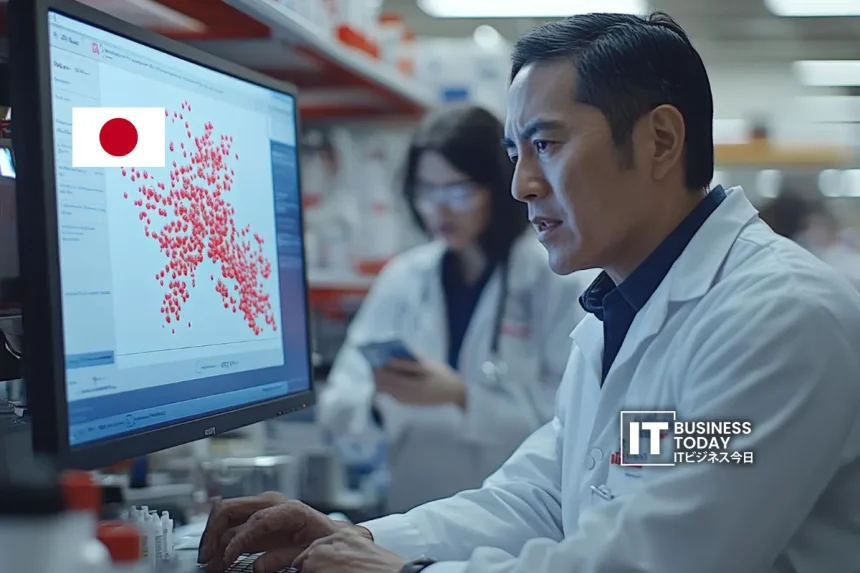
Japan’s healthcare technology field is moving into an important time of change as startups start to use artificial intelligence, digital tools, medical equipment and data analysis to solve some of the country’s biggest healthcare issues.
There is a chance here. Japan has a good healthcare system, an older population and more need for tools that can make hospitals work better support care from a distance and help medical workers handle more complicated tasks. At the time the startup scene in Japan is getting more varied with HealthTech companies working in digital health, medical tools, health software, testing and data-based services.
Tracxn’s research on the HealthTech sector looks at companies, investment deals, investors and mergers and acquisitions giving a picture of how the industry is changing.

Artificial Intelligence Is Becoming a Big Chance for HealthTech
Artificial intelligence is expected to be one of the reasons for growth in Japan’s HealthTech area.
Healthcare groups create an amount of information from medical records, pictures, lab results and tracking patients. AI can help deal with this information and help experts with tasks like looking at images predicting risks keeping medical notes and managing patients. For startups this is a chance to create AI systems that are made for Japan’s healthcare setup.
Of trying to match big companies that are making general AI models startups can focus on specific health issues where they have special knowledge and access to good data. AI-supported testing, help with decisions and managing health services could become more and more important in Japan’s digital health market.
Japan’s Older Population Brings Big Demand
Demographics are another reason behind the HealthTech opportunity in Japan.
Japan has one of the groups of people in the world which means there is steady need, for health care and care for older people. Health care providers are therefore facing pressure to offer services without depending only on more workers. Technology can help address part of this challenge.
Remote monitoring devices, telemedicine platforms, digital health applications and AI‑powered care‑management systems could allow healthcare organizations to monitor patients efficiently.
For businesses the commercial opportunity extends beyond hospitals. Nursing homes, home‑care providers, insurers and pharmaceutical companies can all become customers for HealthTech solutions. This gives startups a large potential enterprise market in which healthcare technology can be tied directly to productivity and cost savings.
Medical Devices Remain a Key Opportunity
Japan’s HealthTech story is not limited to software.
The country has a history of precision engineering, electronics and medical‑device manufacturing. Startups can build on these strengths by creating medical devices that mix hardware with cloud platforms and AI.
Wearable sensors, patient‑monitoring systems and diagnostic devices can produce continuous streams of health data.
That data can then be analyzed to spot changes in a patient’s condition potentially allowing healthcare professionals to step in earlier.
The combination of hardware expertise and software innovation could become an important differentiator for the domestic HealthTech ecosystem.
Hospitals Are Becoming Important Technology Customers
One of the changes in healthcare technology is the growing role of hospitals as technology buyers. Healthcare providers are looking for ways to cut workloads boost operational efficiency and use staff better. This creates opportunities for startups making hospital‑management software, electronic health record integrations, scheduling systems, AI documentation tools and workflow automation. For Japanese HealthTech companies however selling to hospitals can be more complicated than selling enterprise software.
Healthcare technology must meet requirements, around patient safety, privacy, cybersecurity and regulatory compliance. Startups therefore need not strong technology but also the ability to navigate Japan’s healthcare institutions and regulatory environment. Startups therefore need not strong technology but also the ability to navigate Japan’s healthcare institutions and regulatory environment.
Data Could Become Japan’s Most Valuable HealthTech Asset
Healthcare data will sit at the center of many of these developments.
AI systems require reliable datasets to produce useful results, while healthcare providers need secure ways to exchange information between different systems.
This creates opportunities for companies specializing in health-data platforms, interoperability, privacy technologies and secure cloud infrastructure.
Data governance will be particularly important.
Japanese businesses adopting HealthTech solutions need confidence that sensitive patient information is properly protected. Startups that build privacy and security into their products from the beginning could therefore have an advantage over companies treating cybersecurity as an afterthought.
Pharmaceutical Companies Could Accelerate the Market
Japan’s pharmaceutical industry is another potential customer and partner for HealthTech startups.
Drug companies are increasingly exploring AI and data analytics for areas such as drug discovery, clinical trials and patient monitoring.
AI can potentially reduce the time required to identify promising drug candidates, while digital tools can help researchers find suitable participants for clinical studies.
This creates opportunities for startups that sit between healthcare, biotechnology and software.
Partnerships between pharmaceutical companies and technology startups could become increasingly important as drug development becomes more data-driven.
Investment Will Need to Become More Strategic
The growth of Japan’s HealthTech ecosystem will also depend on access to capital.
HealthTech startups often require more time to commercialize than conventional software companies because their products may need clinical validation, regulatory approvals and integration with healthcare institutions. Investors therefore need to take a longer-term view.
Strategic investment from pharmaceutical companies, medical-device manufacturers, insurers and technology corporations could become particularly valuable because these organizations can provide not only capital but also industry expertise, distribution networks and access to customers.
Cybersecurity Will Become a Business Priority
The growth of healthcare also brings big cybersecurity risks. If a healthcare platform is hacked it can reveal patient data and may stop vital medical services. When hospitals add connected devices and cloud systems the places that can be attacked grow. This suggests that cybersecurity companies could become a part of Japan’s HealthTech ecosystem. Startups that mix healthcare with identity control, encryption, threat spotting and safe data infrastructure might see more demand from hospitals and other health businesses.
Opportunities Extend Beyond Startups
The HealthTech boom could help Japan’s technology industry. Cloud providers, semiconductor makers, sensor builders, AI developers, cybersecurity firms and system integrators can all join the healthcare digitalisation effort. For example an AI diagnostic platform might need cloud infrastructure, special processors, imaging tech, cybersecurity and integration with hospital systems.
Also read: Dr. Neo Morohashi Takes New Leadership Role at Marsh
Because of that investing in a HealthTech application can create demand, in many technology sectors. Japan could build a HealthTech model. The HealthTech opportunity in Japan is different from that in other younger technology markets.
Japan already has a healthcare system. It also has advanced manufacturing capabilities. The country has a population with significant healthcare needs. The challenge is connecting these strengths through digital infrastructure. Startups that can successfully combine AI healthcare data, medical devices, automation and clinical expertise could help address some of Japan’s pressing healthcare challenges. These same startups could also create commercial opportunities.
The next phase of Japan’s HealthTech market is therefore unlikely to be driven by consumer apps. Enterprise healthcare platforms, AI-assisted tools, connected medical devices and data infrastructure could become increasingly important. For businesses operating in Japan’s technology industry this represents an opportunity. HealthTech is becoming a meeting point for several of the countrys technology capabilities. As healthcare demand continues to rise the companies able to turn those capabilities into secure and scalable solutions could play a major role, in shaping Japan’s next digital economy.



 English