 日本語






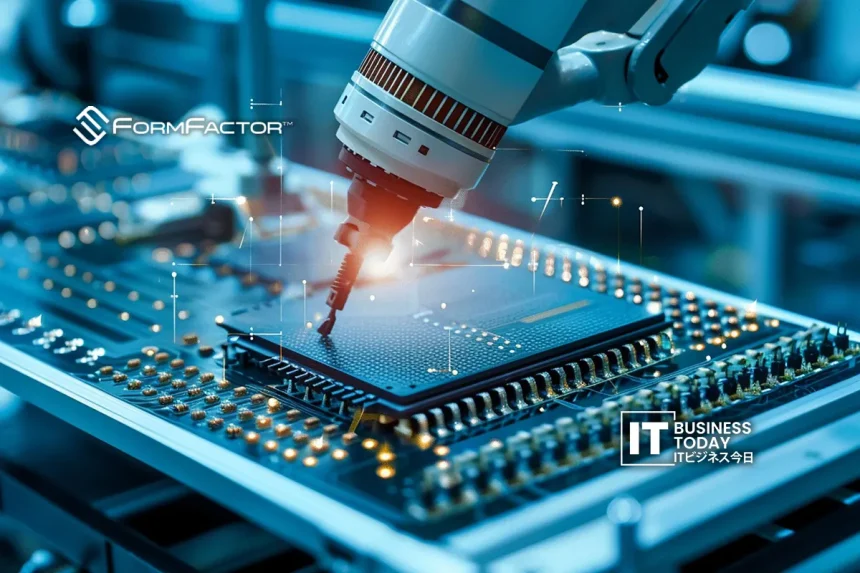
FormFactor Inc. Has opened a manufacturing facility in Farmers Branch, Texas because semiconductor makers need more advanced testing tools for chips that are getting more complex. The opening was announced on October 22 2026. This new plant expands FormFactor’s production power. Makes it easier for FormFactor to help semiconductor customers all over the world.
I think the investment arrives at a moment when AI, high-performance computing and new ways of packaging semiconductors are raising the demands on chip makers. GPUs, ASICs and HBM devices must undergo testing to confirm their performance, reliability and meeting of quality standards.
FormFactor supplies measurement tools for semiconductor chips at every stage from characterization to qualification and through production testing. The new plant will help FormFactor make probe cards and give them flexibility to respond when customer needs change.

Why Probe Cards Matter in Semiconductor Manufacturing
Probe cards are the connection tools used to test semiconductor devices while the devicesre still on the wafer before packaging. Probe cards link testing equipment to the circuits, on the semiconductor wafer. This lets manufacturers find defects and check how well the devices function.
As chip designs become more complex testing systems must handle integration, higher performance requirements and more demanding electrical rules. New packaging methods that combine dies or components, into one system add even more testing challenges.
These needs are very important for AI accelerators and HBM devices that many data centres and high‑performance computers rely on. In those uses defects from manufacturing can cause losses in yield. If testing is not enough reliability after deployment can suffer.
FormFactor’s facility in Farmers Branch is built to tackle these challenges by boosting production of probe card technologies. The company says that the expansion will make it stronger, at helping customers build next‑generation semiconductor devices.
Implications for Japan’s Semiconductor Industry
The expansion is important to Japan, where semiconductor manufacturers, equipment suppliers and materials companies form a part of the technology supply chain. Japan has semiconductor materials, semiconductor manufacturing equipment and precision engineering while its technology businesses are also seizing opportunities associated with AI infrastructure and advanced computing.
Although the announcement by FormFactor refers to a facility in the United States and does not create an investment its expansion points to a broader industry trend. This trend shows that semiconductor testing capacity is becoming more important as chips become more complex.
Japanese businesses that supply semiconductor materials, semiconductor components, semiconductor manufacturing equipment and inspection technologies could benefit indirectly from investment in chip production. As manufacturers raise output demand, for technologies that improve defect detection, process control and production yields may rise.
The development also strengthens the importance of testing within Japan’s semiconductor strategy. Increasing domestic production capabilities is one part of building a competitive semiconductor ecosystem. Manufacturers must also get access to inspection and testing equipment, skilled engineers and specialised components.
For companies involved in advanced packaging, memory and AI‑related hardware developments, in probe card manufacturing provide a useful indicator of how the requirements of semiconductor production are changing.
What the Expansion Means for Technology Businesses
For chip designers and semiconductor manufacturers more probe card production could help support access to testing technologies as demand increases. Real benefits will depend on how production can increase how customers can be qualified and how well the facility can meet specific technical needs.
The investment also shows the growing link between spending on AI infrastructure and the semiconductor equipment market. Demand for AI computing relies not on how processors are designed and made, but also on the supporting technologies needed to check complex devices before they are given to customers.
Companies that run data centers, cloud platforms and enterprise AI systems could benefit in a way when semiconductor suppliers get better at making quality products and getting them ready for sale. However a new factory on its own does not mean chip prices will go down or that more chips will be made or that delivery times will be shorter.
The expansion also shows how important it is to have a spread out location strategy. By making its US manufacturing stronger while still having a network that serves Asia, Europe and North America FormFactor is increasing its ability to help customers in semiconductor markets.
For technology companies the main message is that keeping a supply chain means focusing on specialized parts and manufacturing steps, not just on having finished chips. Delays or not enough space, at the testing part of the process can affect the production plan.
Advanced testing is becoming more important as AI chips continue to evolve.
Also Read: Applied Materials and Intel Advance AI Chipmaking
The FormFactor facility in Farmers Branch shows how semiconductor testing is growing in significance. This is happening in an industry that is being shaped by AI, high-bandwidth memory and advanced packaging. As companies build powerful and complex chips the tools used to test their performance and reliability are becoming a key part of the production process.
For Japan this development points to opportunities in semiconductor equipment, materials, inspection and advanced manufacturing. It also reminds global technology companies that investing in the supporting parts of chip production’s just as important as investing in fabrication plants and AI computing systems.
The long-term impact of the Farmers Branch facility will depend on how FormFactor can scale production and keep up with customer demand. Still its opening shows that investment in technologies, for making next-generation semiconductors is continuing.



 English