 日本語
日本語 



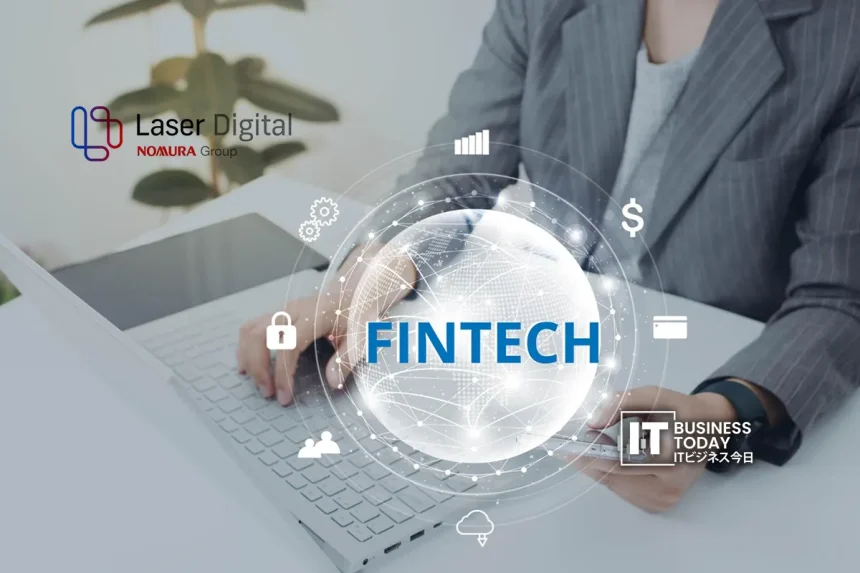
Japan’s digital asset market has hit a turning point after Laser Digital Japan, the digital asset business backed by Nomura Holdings, secured registration as a crypto‑asset exchange service provider. This approval is the new registration of its kind in about four years indicating that Japan may be moving into a more open yet still tightly regulated phase for cryptocurrency and blockchain businesses.
This development is especially important because Japan has kept some of the rules for cryptocurrency businesses across Asia. Than just encouraging quick market expansion regulators have focused on consumer protection, cybersecurity, anti‑money‑laundering controls and operational resilience. Laser Digital’s approval therefore means more than a company in the market; it shows that established financial institutions can meet the growing demands, for operating digital‑asset businesses in Japan.
Laser Digital Takes an Institutional Approach
Laser Digital Japan will start by offering liquidity to existing crypto-asset service providers. The company has plans to move into digital-asset trading for investors in the future.
This approach sets the business apart from consumer-focused cryptocurrency exchanges that mainly target traders. By focusing on liquidity and institutional infrastructure Laser Digital can help solve a major issue in Japans digital-asset market: giving professional investors dependable counterparties and enough market depth.
The companys registration includes assets such, as Bitcoin, Ether, XRP, Bitcoin Cash, Litecoin and Shiba Inu.
The connection with Nomura also gives Laser Digital an important advantage. As one of Japan’s major financial institutions, Nomura brings established relationships with institutional investors and financial-market participants. That could make the new business particularly relevant as Japanese asset managers and corporations become more interested in digital assets.

Japan’s Crypto Market Is Becoming More Institutional
The timing of the approval is significant. Japan is simultaneously expanding its regulatory framework around digital assets.
The Financial Services Agency already requires domestic crypto-asset exchange businesses to register, while new rules introduced in June 2026 created a registration framework for businesses acting as intermediaries for crypto assets and electronic payment instruments.
Japan has also continued strengthening requirements around the transfer of digital assets. In July, the FSA finalized changes related to the Travel Rule, which requires relevant information about crypto-asset transfers to be shared under specified circumstances. The changes took effect on August 3, 2026.
These measures suggest that Japan is not abandoning regulation as it develops its digital-asset market. Instead, the country appears to be building a framework intended to make crypto services more compatible with the standards expected of mainstream financial institutions.
What This Means for Japans Technology Industry
Laser Digitals approval could have effects that go beyond cryptocurrency exchanges. A stronger institutional digital-asset market will need technology infrastructure that can handle high-volume transactions, custody, identity verification, compliance monitoring and real-time risk management.
This creates opportunities for technology companies that focus on blockchain, cybersecurity, cloud computing, artificial intelligence and financial software.
Compliance technology could become very important. Financial institutions that are entering assets need systems that can watch transactions find unusual activity and keep detailed records. Artificial intelligence and advanced analytics could help companies make some of these processes while still following the rules.
Japans Financial Services Agency is already helping with experiments that involve institutions and technology companies. One demonstration project in 2026 included Laser Digital Japan along with companies, like Hitachi, GMO Coin, Chainalysis Japan, JPYC and NEC. The project focused on sharing information to fight money laundering involving crypto assets.
That partnership shows how the growth of assets can bring together traditional finance, technology providers and blockchain experts.
Japan Could Become a Larger Digital-Asset Hub
The Laser Digital approval is unlikely to transform Japans crypto market. The countrys regulatory requirements remain demanding and institutional adoption will depend on factors including investment demand, taxation, market infrastructure and the development of financial products.
Also Read: Cypherpunk Technologies Launches Major Zcash Mining Fleet
However the registration is a signal that Japans approach is evolving. The country is moving from a period of restricted market entry toward a model in which carefully vetted digital-asset businesses can participate alongside traditional financial institutions.
For Japans technology sector that transition could be significant. As institutional investors enter assets demand for secure blockchain infrastructure, AI-powered compliance, cybersecurity and financial technology is likely to increase.
Nomura’s Laser Digital approval could therefore mark the beginning of a chapter, for Japan’s crypto industry—one where digital assets become increasingly connected to the countrys established financial and technology ecosystem.



 English