 日本語
日本語 




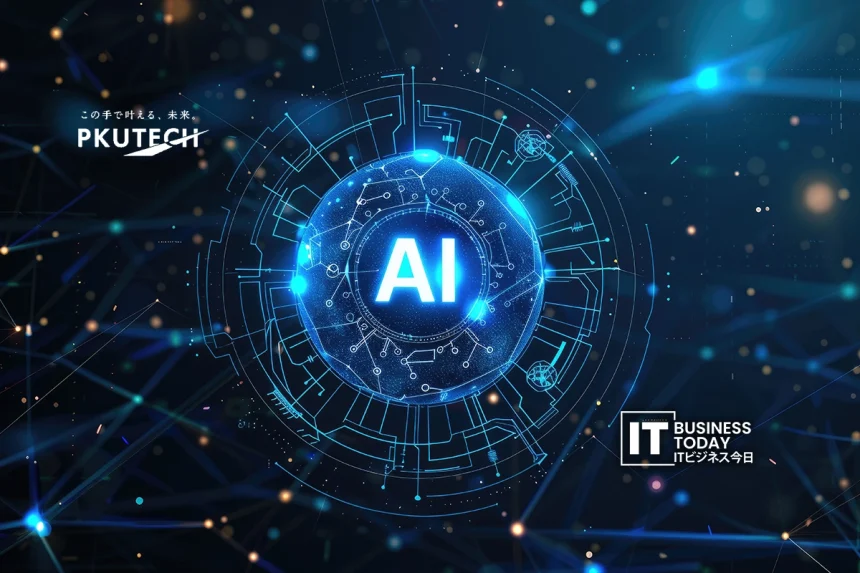
PKUTECH Co., Ltd. will begin offering its next-generation AI-driven development platform, “Egeria NextCode V2”.
This platform uses a proprietary algorithm to convert complex basic design documents into Markdown (structured) format, transforming existing system design assets into a “common language that AI can understand.” This enables a seamless transition to AI-driven development using IBM Bob, IBM’s AI agent-driven enterprise development support partner, not only for new development but also for existing systems. It also enables the automation of integration testing starting from structured design documents. Through this series of mechanisms, from design structuring to development support and test automation, it balances development speed and quality, contributing to the elimination of reliance on individual expertise and improvement of development productivity.
Background: Four obstacles faced by IT professionals in transitioning to AI-driven development
As many companies explore the transition to AI-driven development, the following four obstacles are hindering on-the-ground transformation.

① Limitations of AI-based decoding of existing system specifications
General-purpose AI cannot accurately convert Excel design documents, which contain many diagrams, business process flows, and screen transition diagrams, and have complex layouts, into Markdown.
Also Read: Why Data Is Key to Japan’s Quantum Growth
② Limitations of “manual integration test design and execution” based on the basic design document
Manually identifying cases from unstructured design documents, as well as the actual execution and verification, requires an enormous amount of effort and leaves the risk of degradation and oversights.
③ The burden of creating and masking large-scale test data.
A significant amount of effort is being spent on masking production data to protect personal information and creating vast amounts of dummy data for comprehensive testing.
④ Risk of confidential information and design documents being leaked to the public cloud.
In the enterprise sector, highly confidential design documents and business data cannot be sent to the public cloud, preventing them from benefiting from the efficiency gains offered by the latest AI technologies.
SOURCE: PRTimes


 English