 日本語
日本語 





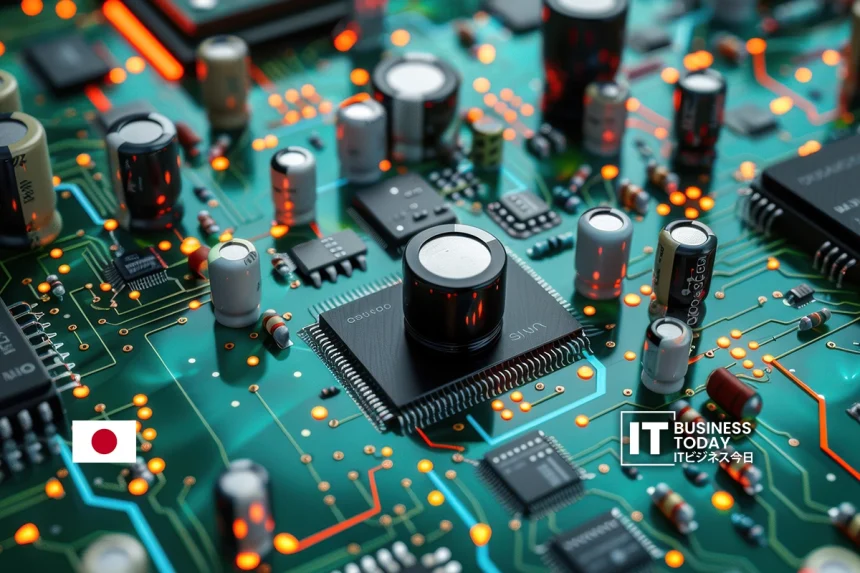
There are new attempts in Japan to bolster the country’s rare earth supply chain through recycling and exploration of alternative sources of critical minerals. This strategy was developed amid growing concerns over security of supplies for various industries as geopolitical risks increase while China remains dominant in mining and processing of rare earths. Despite impressive success of Japan in recycling of rare earth elements from waste electronic products, industrial machinery and manufacturing waste, it is widely acknowledged that recycling alone would not make a difference in the struggle against China’s monopolistic position.
Rare earths such as neodymium, dysprosium, terbium and yttrium are vital parts of electric vehicles, wind turbines, semiconductors, robotics, defense equipment, consumer electronics and artificial intelligence infrastructure. The rising demand for this kind of technology makes the issue of supply of critical minerals especially acute.
Recycling Emerges as a Strategic National Priority
Japan has been aware of the significance of cutting down the country’s dependence on rare earth imports for a long time already. Having learned from previous supply issues, Japan has been actively working on resource diversification, stockpiling, and advanced recycling methods able to recover precious metals from old electronic devices.

Also Read: Micron Breaks Ground on $9 Billion Western Japan Expansion, Strengthening the Country’s Semiconductor Future
Japanese firms are developing advanced recycling methods that enable them to separate rare earths from magnets used in electric motors, hard disk drives, industrial machinery, and consumer electronics. At the same time, these developments help meet the goals of the country’s circular economy and decrease the consumption of primary materials.
Yet, even with the advanced technologies developed by Japanese firms, recycled materials constitute only a small part of the overall material requirements. Achieving a completely self-sufficient supply chain is a challenging task for the long run.
China’s Dominance Continues to Shape Global Markets
Even as Japan works towards expanding its recycling initiatives, it should be noted that China still occupies a very strong position in the rare earth market on a global level.
First, China alone produces most of the world’s rare earths and second, the country holds dominance in the highly advanced process of refining and separating these minerals before their use in manufacturing. In other words, this combination of capabilities provides the Chinese leadership with considerable leverage over the global markets and prices.
Export bans for some of the heavy rare earth minerals have once again brought into focus the challenges faced by the manufacturers of Japan and other industrialized nations. Companies in Japan have started warning their investors about possible risks to the supply chain while exploring new sources of raw materials.
In conclusion, it can be said that while recycling is certainly part of the overall strategy of Japan, there are other areas that need investment as well.
Implications for Japan’s Technology Industry
The rare earth problem has immediate repercussions in the area of Japan’s technological sector, which is among the most important economic drivers in the country.
Companies that make electric cars, robots, precision equipment, semiconductors, batteries, telecom equipment, and green energy infrastructure all depend on having secure supplies of rare earth elements. Any shortage would mean increased costs and delays in the manufacture and reduced ability to compete in export markets.
While the current environment presents challenges to Japan, it is also offering new business opportunities to companies in Japan focused on recycling technologies, material sciences, industrial automation, and advanced manufacturing equipment. There will be an increased need for investment in urban mining and advanced recycling facilities.
The focus on critical minerals also aligns with Japan’s strategy around making semiconductors, its own AI capabilities, advanced robotics, and clean energy technology.
Building More Resilient Supply Chains for Businesses
Supply chain resilience has become as crucial for companies working in Japan as cost-effectiveness.
Manufacturers have started diversifying their suppliers, increasing their strategic inventories, and even engaging in long-term procurement arrangements that do not involve China anymore. In addition, many companies are changing product design to achieve better efficiency in material utilization or reduce dependence on rare earth elements, if possible.
All of these activities are likely to boost cooperation among manufacturers, recycling companies, research organizations, and governments. Technologies, including artificial intelligence, predictive analytics, and blockchain, are also employed for improving supply chain transparency and identifying disruptive factors beforehand.
In light of rising geopolitical risks that shape international business, resilient sourcing is now a competitive advantage rather than just an issue of managing risks.
A Long-Term Strategy Beyond Recycling
The increasing number of rare earth recycling programs in Japan reveals the government’s commitment to improving resource security and aiding domestic manufacturing. Nevertheless, according to industry professionals, in the nearest future, Japan will not be able to substitute China’s production through recycling efforts.
In order to achieve its goals, Japan is following several strategies, including recycling, overseas resource development, international cooperation, refining within the country, and innovations. In doing so, Japan is seeking to lower strategic risks while maintaining the capability to provide support to vital industries in the field of electric mobility, artificial intelligence, renewables, and electronic devices.
Rare earth materials pose an innovative challenge to Japan’s tech companies. The companies, which would be able to create a more efficient recycling process and alternative materials or supply chains, would play a crucial role in Japan’s future manufacturing. The need for rare earth materials increases worldwide, and thus Japan’s strategy concerning the development of the rare earth ecosystem may bring economic security benefits and help to preserve its leadership in the manufacturing sector.


 English