 日本語
日本語 




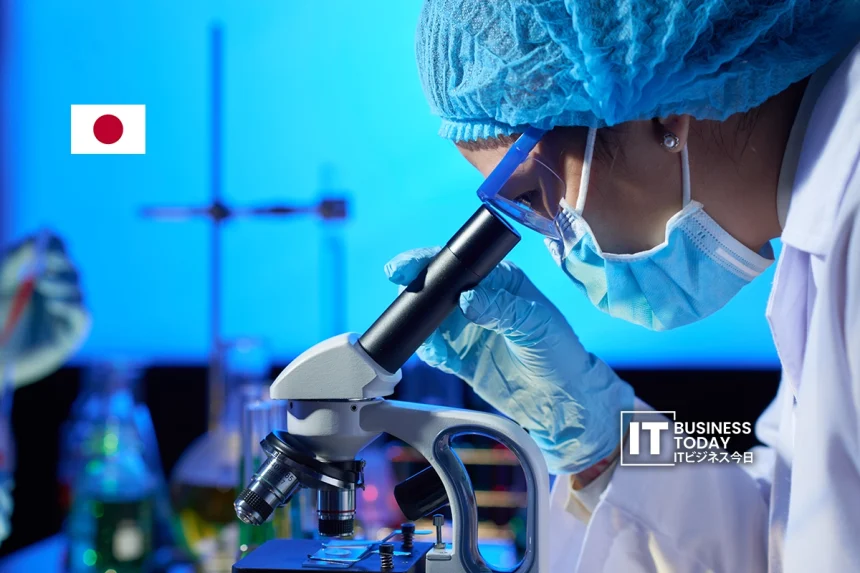
There is also an expected period of rapid growth in the SaMDs market in Japan, with predictions estimating that the market will grow from around $19.5 million in 2024 to around $96 million in 2033, which is a very good CAGR of above 17%. This is attributed to the fact that there has been an increased adoption of technology in the healthcare industry.
Software as a Medical Device (SaMD) is any computer program that performs functions like those performed by a medical device, except there is no device present.
AI and Digital Health Driving Market Expansion
The growth of the SaMD industry in Japan has been fueled by the deployment of artificial intelligence, machine learning, and cloud-based health information systems. The application of AI technology can be witnessed in diagnosis, prediction, and monitoring processes within the healthcare sector.

Also Read: Kiffik Biomedical and HekaBio Alliance Signals a New Era for Real-Time Diagnostics in Asia-Pacific
There are diverse applications of AI technology in the healthcare sector, ranging from heart disease to mental illnesses. This technology aids medical practitioners in detecting diseases in their early stages, customizing treatment programs, and monitoring patients in non-clinical environments.
In addition, the rising prevalence of chronic conditions and telemedicine needs have led to an increased adoption of AI technology within the healthcare industry due to advances in prevention systems.
Government Policy and Regulatory Support
The regulatory framework of Japan is serving as a major facilitator in driving the growth of SaMD. The PMDA has put in place an expedited approval process for digital therapies and AI-enabled medical software.
These government efforts for health digitalization along with a favorable policy environment provided by the Ministry of Health, Labour and Welfare are motivating both local and foreign companies to enter into the SaMD market of Japan.
Such regulatory clarity is very important in an industry where safety and compliance are paramount factors, particularly with AI-based applications.
Implications for Japan’s Tech Industry
The development of SaMD is a significant growth opportunity in the technology industry in Japan. With more software-based applications in health care, there is an increased need for skills in areas like AI, cloud computing, cybersecurity, and big data.
Companies that had been producing hardware, including medical devices and imaging, have begun developing software to complement the capabilities of the physical devices being produced.
In addition, the trend of start-ups specializing in using AI in health care solutions is becoming common.
Business Impact and Market Opportunities
The development of SaMD also opens up numerous opportunities for companies conducting operations within Japan since it enables hospitals and clinics to enhance their effectiveness, decrease expenditures, and increase the quality of services provided.
It is also important to mention the benefits for small and medium-sized businesses that have access to SaMD due to cloud solutions being used by them. Thus, such organizations will benefit from the use of advanced technology, which should become widely popular throughout Japan.
In addition to the mentioned benefits, SaMD also provides opportunities for companies engaged in software development, data analysis, and cybersecurity, generating additional sources of income for them. The importance of healthcare data is only growing. Thus, protecting it and ensuring its compliance becomes essential.
Challenges and Competitive Landscape
While having high growth potential, the SaMD industry also encounters some difficulties. The issues of data privacy, compliance with regulations, and clinical validation of artificial intelligence algorithms should be taken into account.
Additionally, Japan should not ignore the rivalry with other players on the market, such as the USA, which leads in the field with more approved devices.
Japanese companies should focus on innovations and cooperate with foreign companies.
A Transformational Shift in Healthcare
This fast growth in the market for SaMD is indicative of the larger change happening in the healthcare sector from being primarily driven by hardware systems to becoming data-centric software systems. With the development of AI, cloud computing, and digital therapeutics at an accelerated pace, SaMD will definitely play an important role in the future of medicine.
This transformation represents an opportunity and threat for Japan. Japan should be able to capitalize on this opportunity using its software capabilities and become a dominant player in the medical world of the future.



 English