 日本語
日本語 





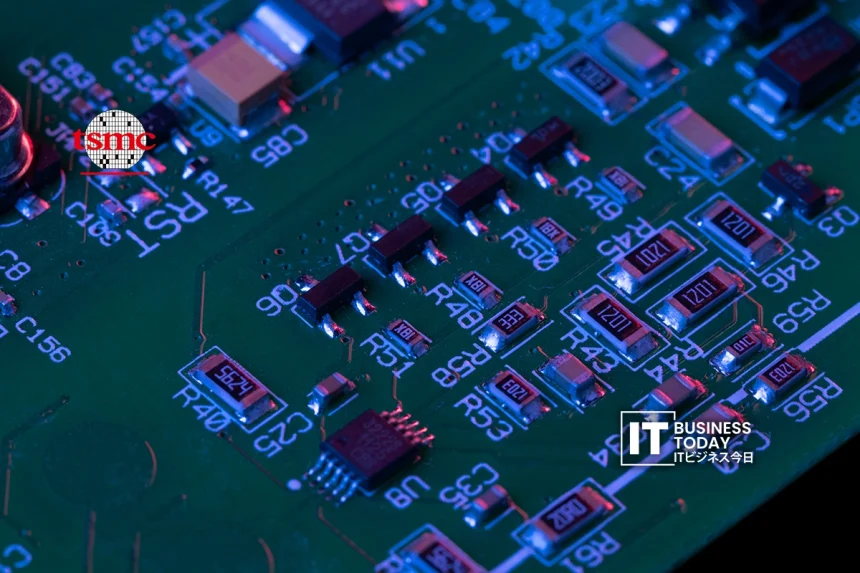
TSMC will build a 3-nanometre chip plant in kumamoto, Japan, starting production in 2028. The factory will produce wafers for AI, smartphones, and advanced computing. It’s one step toward manufacturing closer to major markets. Equipment goes in that year. Output hits 15,000 wafers monthly for 12-inch chips.
High-performance semiconductors are the focus. Production begins with equipment setup in 2028. The facility supports demand from growing tech industries. This move aligns with TSMC’s broader expansion plans.
Why 3nm Technology Matters
The 3nm manufacturing process is one of the leading-edge semiconductor technologies in the world today. It offers much faster speeds and greater energy efficiency than the previous generations. These types of chips are main sources of power for AI applications, servers, and supercomputers.

Also Read: Fujitsu Bets on 1.4nm AI Chips to Power Japan’s Semiconductor Revival
Introducing such a high level of technology to Japan, TSMC is in fact enhancing the country’s semiconductor industry, which used to be oriented towards less advanced nodes. This transformation underscores the prominence of AI-led demand that is propelling the chip industry to make substantial investments in advanced production techniques.
Strengthening Japan’s Semiconductor Ecosystem
This move fits perfectly with Japan’s bigger goal of making a strong comeback as a key player in the global semiconductor market. The Kumamoto plant is run by Japan Advanced Semiconductor Manufacturing, a joint venture involving top Japanese companies like Sony and Denso.
Japan has been generously backing semiconductor investments with subsidies and attractive policies, treating the industry as vital for economic security and tech independence. Having the capability to work with 3nm chips is a massive boost for Japan’s spot in the worldwide supply chain, especially now when countries are looking to spread out their chip production away from highly concentrated areas.
Impact on Japan’s Tech Industry
TSMC’s choice is likely to set off a wave running through the ecosystem of Japan’s technology. Having advanced chips available locally will assist different industries, such as consumer electronics and car manufacturing, especially with the cars nowadays being more and more driven by software and requiring AI processing.
For Japanese technology companies, it will be fewer imports of semiconductors from abroad while at the same time the speed of innovation may be increased. Moreover, it may lead to collaboration between chip manufacturers, system integrators, and research institutions being even more frequent, which will result in a more unified environment for invention.
Furthermore, this decision may hasten the investments in sectors supporting the semiconductor industry like equipment, materials, and design services. It is also likely to be a factor in the revival of Japan’s overall electronics industry that has been struggling with the severe competition from international players during the last two decades.
Business Implications and Industry Opportunities
Looking at it from a commercial angle, TSMC’s development is set to unlock big opportunities for players in the semiconductor value chain. Equipment and raw material suppliers will probably be the ones witnessing a larger volume of orders as the new factory slowly gets to full production level.
On the other hand, tech companies and business will also get a boost from being able to source more readily the state-of-the-art chips, which is indispensable if they are to create stronger AI applications and digital services. This is very relevant because, all over the world, industries are making a dash to embed AI in their main functions.
Besides, the initiative exemplifies the major trend in global semiconductor strategy which is: governments and businesses are highlighting more and more localized production to lessen supply chain vulnerabilities and at the same time be prepared for geopolitical uncertainties. In this respect, Japan working together with TSMC makes it one of the leading centers in the semiconductor industry.
Nevertheless, there are still some hurdles. High-end chip making is a very capital intensive and complex technological process. Keeping up with other semiconductor powerhouses such as the USA and South Korea will not only involve continuous innovation but also require government policies that support the industry.
A Turning Point for Japan’s Global Tech Role
Japan is now hosting TSMC’s 3nm chip production – a solid step in its technological revival. The world’s most advanced semiconductor process is operating there, reinforcing Japan’s standing in the global tech system and making it a key actor in AI advancement.
How the world builds its top chips is changing. High demand keeps pushing this shift forward. Japan’s industrial strength is on full display. The future of vital tech isn’t just moving to asia – it’s shifting to japan, right here at home.



 English