 日本語
日本語 





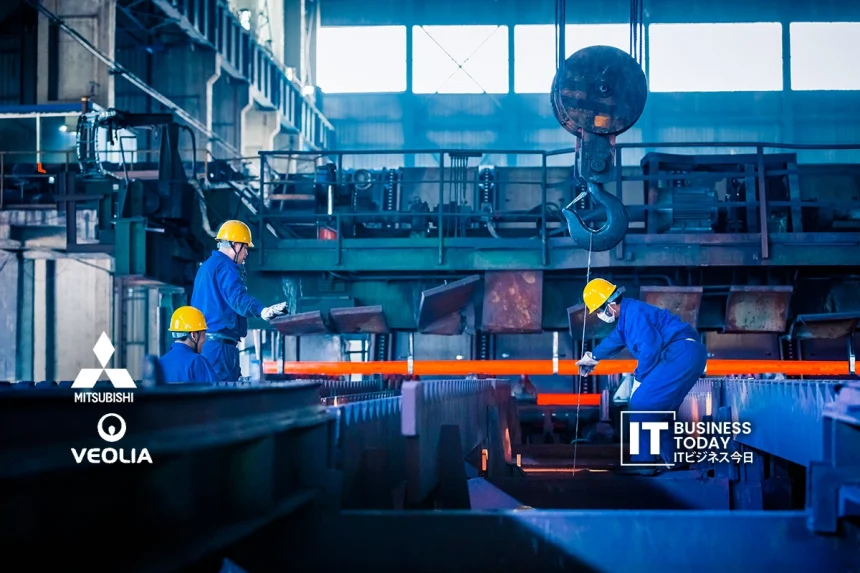
The Indonesian government initiative to upgrade waste management and renewable energy has been bringing lot of international commitment. The major engineering giants like Veolia of France and Mitsubishi Heavy Industries of Japan are reportedly the first rounds participants.
In the first phase of the program that goes by the local name: PSEL initiative, a total of 24 foreign companies from various parts of the world such as Europe, China, Hong Kong, and Japan have been on board. This is a clear indication that the whole world is showing interest in Indonesia’s waste, to, energy sector.
Priority cities identified for initial deployment
The first phase of the tender is aimed at projects in Bali, Bogor, Bekasi, and Yogyakarta where authorities are expected to unveil the first results shortly. These locations are included in Indonesia’s plan to lessen the dependence on landfills while increasing power generation from renewable heat in municipal waste streams.

Also Read: Smart Craft secures ¥400M for manufacturing digitization
As the volume of urban waste in Indonesia increases and the capacity of landfills becomes less, the country is hastening such measures, which is resulting in the adoption of integrated waste treatment and energy recovery solutions by the policymakers.
Local partnership rule aims to boost technology transfer
A major requirement of the tender process is that foreigners must associate with a local company or community group to participate in the bid. Officials argue that this strategy is basically aimed at getting the project to being local, at the same time giving the opportunity for skills transfer and thus, ultimately, uplifting Indonesias waste management capabilities in the long run.
Moving along, the consortium model is also in line with Jakartas overall industrial policy which basically puts the highest priority on foreign investment that helps domestic capacity building along with the development of infrastructure.
Rising demand fuels investor interest
Indonesia’s growing waste problem and its national energy transition goals have led to the prioritization of waste, to, energy as a strategic infrastructure initiative. WtE plants are seen by the authorities not only as a source of electricity but also as a tool to:
Reduce landfill saturation risks
Lower methane emissions from unmanaged waste
Improve municipal waste processing efficiency
Support climate and sustainability commitments
The magnitude of the possible impact is huge. The government plans to have several WtE plants in different municipalities in the next decade, which will be funded by the public and supported by international technology partners.
Global engineering leaders bring proven expertise
When big infrastructure companies get involved, it means that they are more and more sure about the WtE pipeline in Indonesia.
Veolia offers a global experience in water, waste, and energy management plus recycling and energy recovery projects in several regions. At the same time, Mitsubishi Heavy Industries has been a provider of large, scale waste, to, energy facilities in Asia and other parts of the world, thus it is a potential winner in the case of complex municipal projects.
Their participation means that the Indonesian program is likely being scaled up to an industrial level from just being at the pilot, level stage. Also, this could mean that in the long run, there will be opportunities for engineering, EPC contracting, and environmental technology providers.
Outlook: From waste crisis to energy opportunity
Indonesia’s waste-to-energy push represents more than an environmental initiative—it is evolving into a major infrastructure and clean-energy investment theme for Southeast Asia.
If executed effectively, the tender could:
Accelerate renewable power capacity
Strengthen domestic engineering ecosystems
Attract climate-aligned financing
Position Indonesia as a regional leader in circular-economy infrastructure
For global technology vendors and energy investors, the current bidding round may mark the start of one of the region’s most significant waste infrastructure buildouts.



 English