 日本語
日本語 





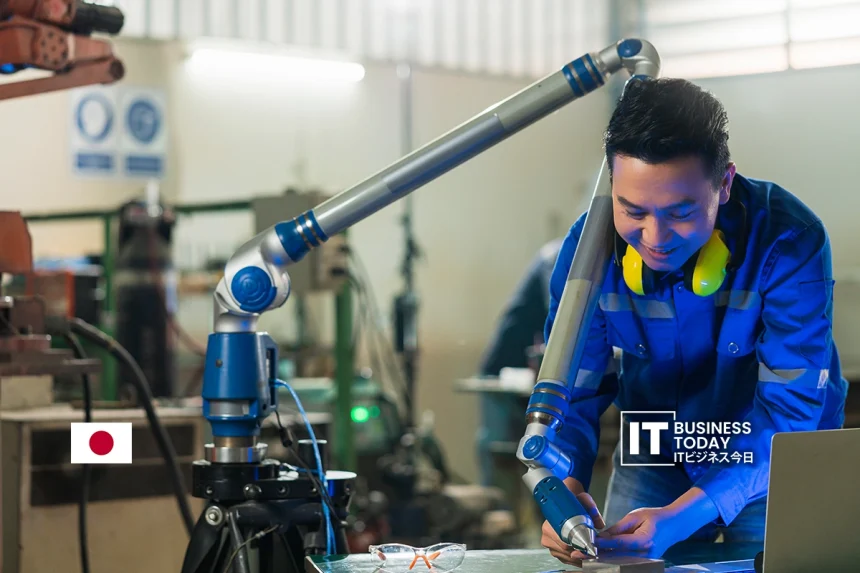
This week, a major robotics trade show in Tokyo caught global attention. AI robots displayed their talents in disaster response, self-driving, and real-time intelligence. More than 670 companies and research institutions were featured, confirming Japan’s ambition to lead the way in “physical AI” and robotics for industrial, rescue, and social applications.
One of the more interesting booths had a humanoid robot from Kawasaki Heavy Industries undertake a mock rescue: putting out a rigged fire, removing a heavy shelf, and rescuing a dummy cat. A powerful demonstration of what’s to come for disaster response and hazardous‑environment work.
This event shows how robotics has quickly evolved. It’s shifted from basic factory jobs to smart, AI-powered solutions in the real world.

Also Read: Mitsubishi Electric Unveils Microbubble Cooling Approach
What’s New: AI Robots Beyond the Factory Floor
Japanese robots used to work only on factory lines and in controlled areas. This year, the exhibition focused on versatile robots. This year, the exhibition highlighted versatile robots. Humanoids, mobile robots, and AI machines are included. They adapt to unpredictable environments. They also respond to surprises.
Highlights from the show include:
AI-powered logistics and mobility robots are transforming the industry. They offer flexible solutions. International companies are pushing this trend with new mobility-robot ideas.
Robotics suppliers are bringing out new actuators, sensors, and control modules. This shows the industry is moving toward modular design and broader use.
This diversification also reflects growing international demand: amid labor shortages, aging populations, and a need for disaster-resilient infrastructure, robots capable of labor in unpredictable environments–a category that excludes the factory floor–are becoming increasingly valuable.
Implications for Japan’s Technology Industry and the Overall Business Environment
Diversification of robot use beyond manufacturing
This creates new markets for robotics in Japan. As robots become more adaptive and AI‑driven, companies in such markets as infrastructure management, emergency services, logistics, and services have much to gain by benefiting from the extension of robotics well beyond traditional manufacturing.
Growth in Robotics Ecosystem-Components to Software
The trade show highlighted a booming robotics supply ecosystem. It had several parts, including mechanical components, AI software, control systems, and simulation frameworks. These elements help bring robot behaviors to life. This wide range of options gives chances to many businesses. It includes hardware suppliers, software developers, system integrators, and creative service providers.
Robots are becoming modular and interoperable. This change will help smaller firms use robotics. As a result, we’ll see a more decentralized industrial base, not just for big manufacturers.
Boost for “Physical AI” and Industry Innovation
The exhibition showcases AI-driven robotics. It marks a big shift to “physical AI.”” Here, robots can sense, reason, and act in real time. Japan leads in robotics and precision manufacturing. It is ready to shape a new era of smart machines. They will help with logistics and handle disasters.
Japanese tech firms can now use their AI skills to boost robotics innovation. They can advance sensor and motion control hardware. They will connect robots to IoT networks. They will also create robotics-as-a-service solutions. This leads to new business models in the tech world.
International Positioning and Export Potential
Japan shows its global robotics leadership by revealing advanced robots. These robots are great at industrial automation. They also handle humanoid tasks and service roles well. This is true in countries with labor shortages or older populations.
Challenges and What to Watch
Cost & Scalability: Humanoid or AI robots need to be affordable for everyone. A clear return on investment is key. Small and mid-sized businesses can now use these technologies.
Safety, Regulation & Public Acceptance: Using robots in public spaces or disaster areas needs clear rules, solid safety measures, and public trust. These challenges take time to address.
Integrating into old systems: Upgrading legacy infrastructure for robotic automation can be costly and complicated. These issues need to be addressed.
Competition from Global Industry: This blend helps them compete in the global market. This way, they can keep up with fast global advancements in robotics.
Why This Moment Matters for Japan
Picture a future where robots escape the assembly line. They evolve into flexible, adaptive agents. This year’s showcase in Tokyo brings the vision to life. It has robots that move through tricky spaces, engage with people, and handle objects. Japan can address key issues by making this transition. It can help with workforce shortages.
Businesses can reach new markets by embracing this change. They inspire innovation. They bring fresh ideas to hardware, software, and services. Japan is ready to enter a new industrial era. As robotics, AI, IoT, and cloud tech merge, robots will evolve. They will be more than tools. They will be smart and work together as partners.



 English