 日本語
日本語 





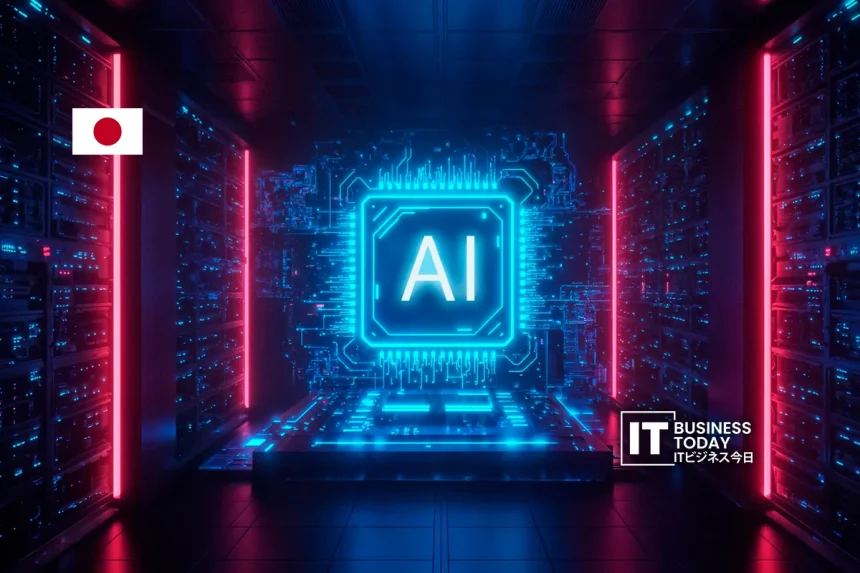
Japan is making a major move to strengthen its artificial intelligence infrastructure, with Akita Prefecture emerging as a potential new hub for the country’s growing AI economy. According to Japan Today, Akita has unveiled plans to host one of Japan’s largest AI data centers, reflecting the country’s accelerating demand for computing capacity as businesses increasingly adopt generative AI and other data-intensive technologies
The project that is being worked on is being pushed forward by an IT company called S-Two and a startup from the United States named Bitgrit. There is a lot of interest from investors around the world, which is helping the project move forward faster. A wealth fund from Abu Dhabi called Mubadala Investment is said to be thinking about putting in up to one trillion yen, which’s about six billion three hundred million dollars into this project. The place that is being planned will have the ability to use five hundred megawatts of power. This makes it one of the data center projects in Japan that focuses on artificial intelligence.
This project is important because Japan is having a problem, with its infrastructure. Developing intelligence needs a lot of computing power. At the time the country needs to increase that power without making the energy system work too hard.

Also Read: DOCOMO and Samsung Validate User-Level AI-RAN for 6G Networks
Why Akita Is Becoming an AI Data Center Hub
Akita offers several advantages for large-scale AI infrastructure. The project’s organizers are targeting between 300MW and 500MW of renewable-energy potential, particularly from offshore wind generation. The region’s cooler climate is another advantage because lower ambient temperatures can help reduce the energy required to cool high-performance computing equipment. The planned site also includes approximately 50 hectares in an industrial area in northern Akita City. The broader vision goes beyond simply building server halls. The project proposes an AI industrial campus that could include high-performance computing facilities, university-industry research laboratories and incubation facilities for startups. That model could be particularly important for Japan. Instead of treating data centers purely as infrastructure, Akita wants to use computing capacity as the foundation for a wider technology ecosystem.
Impact on Japans Technology Industry
The fact that Japan is getting AI data center capacity can be really good for many Japanese technology companies. Japanese technology businesses like AI startups and software developers need to use computers called GPUs and high-performance computing systems to make their models work properly.
Japans technology industry, including research institutions needs these resources to train and operate their models. If Japan has more of these resources, at home it will be easier for Japanese technology businesses and research institutions to get what they need. They will not have to rely so much on other countries for help.
The effects could also spread into Japan’s semiconductor, robotics, telecommunications and energy industries. Building and operating a large AI data center requires advanced chips, networking equipment, cooling technologies, power-management systems and cybersecurity solutions. Japanese companies supplying these technologies could gain new commercial opportunities as investment in AI infrastructure accelerates. The Akita project’s planned startup and incubation ecosystem could create another layer of growth. Its organizers envision attracting data scientists and working with universities and research institutions to develop talent through internships and international AI competitions.
New Opportunities for Businesses
For companies already operating in Japan’s technology sector, the development signals that AI infrastructure itself is becoming a major business market. Cloud providers could expand regional services, while AI companies could establish research operations closer to large computing facilities. Energy companies may find opportunities to develop dedicated renewable-power arrangements, while construction, engineering and cooling specialists could benefit from the physical expansion of data center infrastructure. There is also a potential opportunity for smaller Japanese businesses. A large AI campus can create demand for specialized services ranging from data management and software development to security, maintenance and equipment monitoring. If Akita successfully attracts startups and research organizations, the economic impact could extend well beyond the data center itself.
Challenges Japan Needs to Handle
The growth will not come without problems. AI data centers use a lot of power which makes having a steady electricity supply very important. Even projects that use energy can have issues with connecting to the grid moving power and when the power is generated.
Japan also needs to find a balance between growing the economy and taking care of the environment and local communities. The interest, from AI investments will depend on whether big facilities can show they use energy well and give benefits to the local area.
Competition is another issue. Akita is not the only Japanese region pursuing large-scale data center investment. Plans are also emerging in areas such as Toyama and Kyoto as businesses seek locations with reliable power, available land and greater resilience than Japan’s traditional data center concentrations around Tokyo and Osaka.
A Potential Turning Point for Japan’s AI Economy
Akita’s AI data center proposal represents more than a major construction project. It reflects Japan’s effort to build the physical foundation required for its next generation of digital businesses. If the project succeeds, Akita could evolve from a regional technology location into an important AI computing hub, attracting investment, skilled workers, startups and research organizations. For businesses across Japan, the message is clear: the AI economy will depend not only on innovative software and powerful models, but also on the availability of computing, energy and infrastructure to support them. As Japan competes globally in artificial intelligence, projects such as the Akita AI data center could become a crucial part of the country’s strategy to turn AI investment into long-term industrial growth.



 English