 English




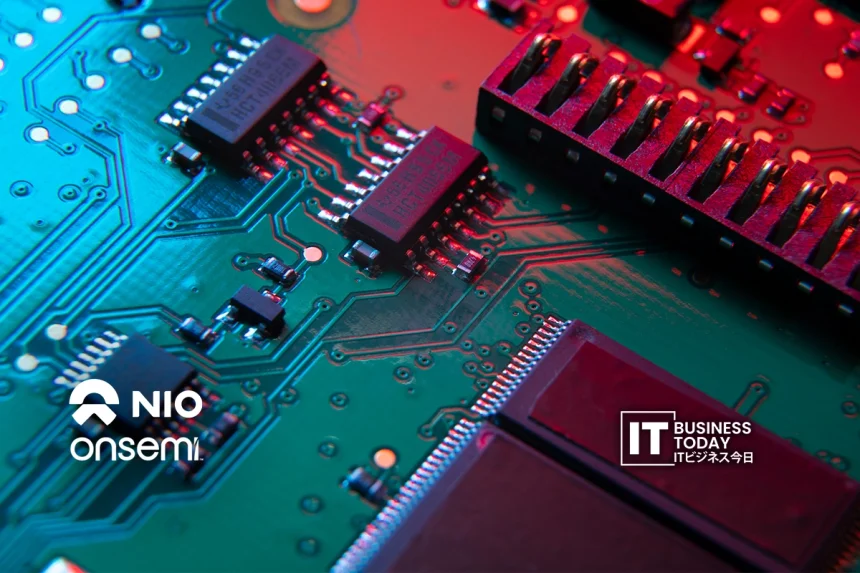
オン・セミコンダクター とのコラボレーションを拡大しました。 NIO. .現在の焦点は、NIOの次世代電気自動車を900Vアーキテクチャに移行することです。これは両社が以前から取り組んできたことを基礎とするものですが、その範囲は明らかに大きくなっています。.
これまではNIOの400Vプラットフォームがパートナーシップの中心でした。それが変わりつつあります。次の段階は、より高電圧のシステムに移行することです。この動きの中心にあるのが、オン・セミコンダクターのEliteSiC強化M3e技術です。これは、2026年の北京モーターショーに登場する予定のモデルを含む、NIOの今後の車両ラインナップに使用される予定です。.
900Vへの移行は単なるスペックアップではありません。それは、EVの性能がどのように進化しているかに関連しています。高電圧システムはより優れた効率を可能にします。充電はより速くなります。特に負荷と速度が変化し続ける実際の走行条件下では、電力供給がより安定します。.

こちらもお読みください: テンストレント、AIチップ設計の未来を築くために日本に賭け
EliteSiCはこれを可能にする技術的役割を果たします。スイッチング性能を向上させ、動作中のエネルギー損失を低減します。また、短絡状態への対応など、信頼性も維持します。これらは抽象的な利益ではありません。これらは車両に現れます。パワートレインの発熱が減少充電1回あたりの航続距離の向上高速走行時や高負荷時でも、より安定した加速。充電時間の短縮は、ダウンタイムの短縮につながります。.
パートナーシップにおいて変化しているのは、技術だけでなく、関与のレベルです。以前は、オン・セミコンダクターは主にNIOの400Vシステムに部品を供給していました。現在、この関係はシステム・レベルの協力に近づいています。EliteSiCは、NIOが900Vプラットフォームを設計する際の中核部分となりつつあります。EliteSiCは、SUVのES9や2026年に計画されている他の車両を含む新モデルですでに使用されています。.
これはまた、EV業界におけるより広範な変化を反映しています。自動車メーカーと半導体企業は、以前よりも緊密に協力しています。自動車がより複雑になり、電力需要が増加するにつれ、コンポーネントを孤立した部品として扱うことは難しくなっています。統合がより重要になります。効率、性能、拡張性は、すべてがどのように連携するかによって決まります。.
このレベルで働くことで, ON Semiconductor は NIO は、開発の複雑さを軽減しながら、高電圧EV プラットフォームの開発をより迅速に進めることができます。このようなコラボレーションは、業界がより高電圧のシステムやより先進的な電気ドライブトレインに向かって推進し続けるにつれて、より一般的になる可能性があります。.



 日本語
日本語