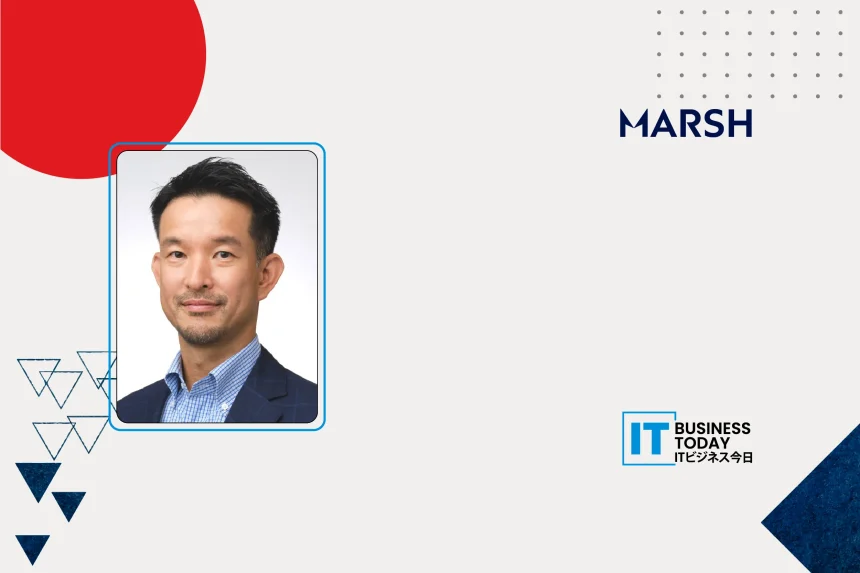
Dr. Neo Morohashi has taken on the position of Head of the Organization Transformation Excellence Unit at Marsh, adding a new leadership responsibility to his work in organizational transformation, digital HR and people analytics.
Morohashi shared the appointment on LinkedIn, announcing his move into the leadership role. His professional background includes work across organization transformation, people analytics, digital HR and AI-related human resources initiatives. He previously spent several years at Google Japan before joining Mercer, where he has held senior roles focused on organization transformation.
The new role comes as organizations face growing pressure to rethink how people, technology and business processes work together. The rapid adoption of artificial intelligence is adding another layer to this challenge, forcing companies to reconsider job design, workforce development, leadership and organizational structures.
Morohashi has written extensively about these issues, particularly the changing relationship between AI and human decision-making. In recent commentary, he has examined how AI could reduce some of the routine tasks traditionally used to help employees develop workplace judgment and organizational understanding.
That perspective is increasingly relevant to organization transformation. As companies introduce AI into everyday workflows, transformation is no longer limited to technology deployment. It also involves determining how employees work, make decisions and develop new capabilities alongside increasingly capable AI systems.
こちらもご覧ください: Cocooが鳴門市でデジタルスキルと就職支援プログラムを開始しました
According to his LinkedIn profile, Morohashi’s work at Mercer has included organizational transformation, M&A, talent strategy and analytics, organizational development, HR function transformation and digital strategy.
His new leadership position at Marsh places these themes within a broader organizational transformation agenda. For businesses across Japan, the development highlights how AI, workforce strategy and organizational design are becoming increasingly interconnected.
HR technology sectors, it also reflects a wider shift: technology transformation is increasingly being viewed through the lens of people, processes and organizational change—not simply software adoption.