 English





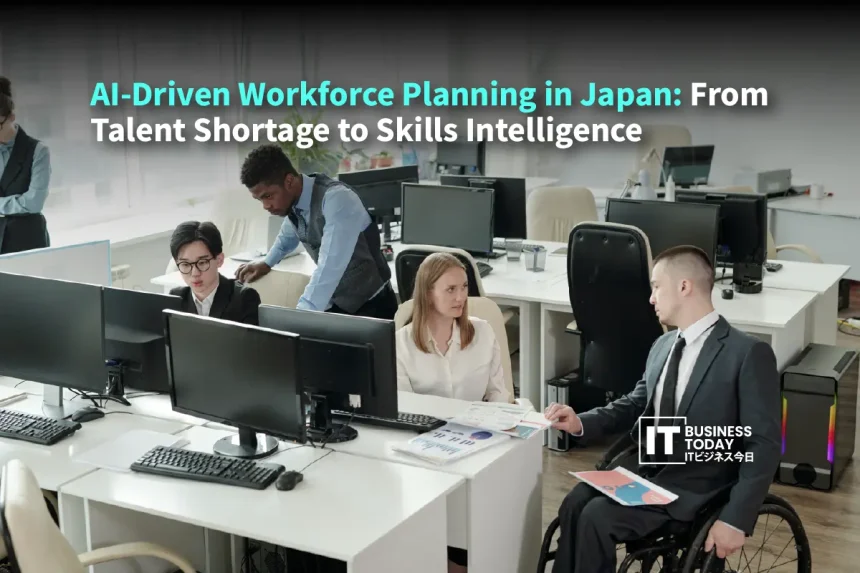
日本はもう人手不足に備えているのではありません。すでに人手不足に陥っており、システムもそれを知っています。.
公式見解はぶっきらぼうです。厚生労働省は、人手不足は深刻さを増しており、単一の問題ではないとしています。需要過多、摩擦による格差、構造的な不足に分かれます。つまり、雇用だけで解決できる問題ではないということです。.
同時に、古いモデルは静かに壊れつつあります。終身雇用を前提としたメンバーシップ・システムは失いつつあります。その代わりに、終身雇用よりもスキルが重視される職務ベースのアプローチが台頭しつつあります。.

そのシフトはイデオロギー的なものではありません。強制的なものです。.
こちらもお読みください: 遠隔患者モニタリングの台頭病院を超えたヘルスケア
ですから、問題はもはや雇用を増やすことではありません。既存の労働力をより有効に活用することです。日本におけるAIを活用した人員計画は、オプションからクリティカルへと移行し、スキル・インテリジェンスが生産性を守るための唯一の手段となるのです。.
日本におけるAIを活用した人員計画の解剖学
日本におけるAIを活用した労働力計画とは、ダッシュボードやレポートのことではありません。何が起こるかを実際に見ることができるシステムで、当て推量を置き換えることです。.
予測分析から始めましょう。ほとんどの企業は、いまだに人数の把握にスプレッドシートに頼っています。それがうまくいかないうちは。AIは、人員削減、退職の波、スキルギャップを事前に予測することで、この状況を変えます。企業は対応するのではなく、準備を始めるのです。.
次に、社内の流動性ですが、これが面白いところです。日本の大企業、特に系列組織に縛られている企業には、大量の隠れた人材プールがあります。問題は人材不足ではありません。可視性の欠如です。AIシステムは社内データをスキャンし、新しい職務に就ける従業員を探し出します。肩書きではなく、能力に基づいて。.
その上にシナリオ・モデリングを重ねましょう。2024年の物流ドライバー不足について考えてみましょう。多くの企業が苦戦を強いられました。AIを使えば、企業は同じようなショックをシミュレーションすることができます。特定の役割が20%減少したらどうなるか?ある職種で退職者が急増したら?これらはもはや抽象的な問題ではありません。.
このシフトを支えているのがマクロ層です。総務省統計局は「日本統計」を提供しています。 Yearbook 労働力調査2026」には、労働力人口、賃金、労働時間、離職率に関する公式な表が含まれています。さらに、労働力調査2026は産業分類システムの更新に対応しており、労働力データはより構造化され、比較可能になっています。.
その構造こそがAIの糧なのです。きれいなデータが入れば、より良い意思決定ができます。.
しかし、企業がいまだにスキルではなく役割で物事を考えているのであれば、このようなことは一切通用しません。そこから次のシフトが始まるのです。.
履歴書からスキル・インテリジェンスへ
履歴書は弱い信号です。日本ではもっと弱い。.
伝統的な立志伝中の形式は、能力ではなく歴史を捉えたものです。実際に何ができるかではなく、どこで働いていたかを示すものです。それは安定したシステムでは機能したかもしれません。しかし、技能主義経済では失敗します。.
スキル・インテリジェンスはこれを裏返します。.
あなたの前職が何であったかを問うのではなく、あなたが今できることをマッピングするのです。それは静的なものではなく、動的なものです。それは、あなたが学び、貢献し、役割を超えて移動するにつれて進化します。.
日本におけるAI主導の人員計画は、このシフトに大きく依存しています。スキル・インテリジェンスがなければ、AIは履歴書をより速く分類するだけです。スキル・インテリジェンスがあれば、AIは人間が見逃すパターンを特定し始めます。.
ここで ジェネアイ が登場。大規模な言語モデルは現在、非構造化データからスキルを抽出するために使用されています。社内のプロジェクト・レポート、電子メール、パフォーマンス・フィードバックを考えてみてください。以前は無視されていたデータが、現在では使用可能なシグナルに変換されています。.
ですから、部門横断的なプロジェクトに携わった人は、履歴書に「データ分析」とは書かないかもしれません。しかし、システムはそれを見抜きます。点と点を結ぶのです。.
これはまた、より深い問題を露呈しています。多くの企業は、採用しようとしている人材がすでにいることに気づいています。ただ、時代遅れのシステムに埋もれているだけなのです。.
しかし、スキル・インテリジェンスへの移行は単なる技術的な問題ではありません。考え方の転換です。管理職は、システムが表出するものを信頼する必要があります。従業員は、在職期間だけでなく、自分のスキルが評価されると信じる必要があります。.
企業が人材のミスマッチを解決しようとするとき、その緊張は非常に顕著になります。.
HRテックによる人材ミスマッチの解決

日本における人材のミスマッチは供給だけの問題ではありません。アライメントの問題なのです。.
従業員が移動するのに苦労している間、企業は役割を埋めるのに苦労しています。このギャップこそ、日本におけるAIを活用した人員計画が真価を発揮し始める場所なのです。.
まずは採用から。中途採用のプロセスは、新卒採用に比べ、常に時間がかかり、厳格なものでした。AIは、プロフィールのスキャン、スキルのマッチング、候補者の絞り込みをわずかな時間で行うことで、これを変えます。逼迫した労働市場において重要な摩擦を軽減します。.
そして再スキルアップ。一般的なトレーニングプログラムはもう通用しません。AIによって企業は パーソナライズド ラーニングパスDXの役割に移行する中堅サラリーマンは、すべてを必要としているわけではありません。彼が必要としているのは、現在の能力にマッピングされた特定のスキルです。AIはそのギャップを特定し、そのギャップを中心にパスを構築します。.
これは理論ではありません。すでに起こっていることなのです。.
Fujitsu は、従業員がビジネスのニーズに合わせて積極的に職務を異動する、セルフスタート・ジョブモビリティを推進しています。同時に、組織全体のAIスキルアップの青写真を構築し、スケールの大きな能力をマッピングして開発しています。.
これはスキル・インテリジェンスの直接的な応用です。同社は採用方法を変えただけではありません。社内で人材を再配置しているのです。.
とはいえ、このモデルは摩擦がないわけではありません。ヒエラルキー、年功序列、役割のオーナーシップにまつわる長年の規範に挑戦するものです。そして、そこから本当の抵抗が始まるのです。.
文化的な障壁 プライバシーと信頼
最も難しいのは技術ではありません。信頼です。.
日本では、AIを活用した人員計画は、意思決定がブラックボックスのように見え始めると壁にぶつかります。管理職は、ある従業員を他の従業員よりも異動させることをシステムが推奨する理由を理解したいと考えています。それが明確でなければ、導入は遅々として進みません。.
そこで重要になるのが、説明可能なAIです。.
政策環境はこの懸念を反映しています。経済産業省は、「経済産業基本計画」を更新しました。 AI contract guidelines AIの開発と利用が大きく変化したためです。同時に、日本の成長戦略は労働力不足と生産性向上に明確に結びついています。.
それがプレッシャーに企業が生き残るためにはAIが必要です。しかし、責任を持って使用する必要もあります。.
次にコンプライアンスです。個人情報の保護に関する法律では、従業員データの使用方法について制限を設けています。スキル・インテリジェンス・システムは、大量の社内データに依存しているため、プライバシーや同意に関する問題が生じます。.
最後に、従業員の感情です。AIを活用した人事評価(サテイ)という考え方は、人々を不安にさせます。もしシステムが昇進や役割の変更に影響を与え始めたら、従業員はどのように決定が下されるのかを知りたがります。.
この恐怖を無視するのは間違いです。この恐怖に直接対処することが、前進する唯一の方法なのです。.
信頼がなければ、どんなに優れたシステムでも破綻してしまうからです。.
ソサエティ5.0の労働力
これからの時代は、AIが人に取って代わる時代ではありません。AIが人の働き方を変えるのです。.
日立はこう明言しています。AIとデジタル化はすでに仕事を変えつつあり、再教育、労働戦略の再設計、透明で説明可能なシステムが求められています。.
それは、Society 5.0のより広範なビジョンに沿ったものです。システム テクノロジー 人間の能力を上書きするのではなく、サポートするのです。.
方向性は明確です。2030年までに、日本の労働市場はより流動的になるでしょう。役割の変化はより速くなるでしょう。スキルは終身雇用よりも重要になるでしょう。.
日本におけるAIを活用した人員計画は、このシフトの中心に位置することになるでしょう。人間の判断に取って代わるのではなく、それを向上させる副操縦士として。.
本当の問題は、そうなるかどうかではありません。企業が行動を起こす準備ができているかどうかです。.
待てば待つほど、移行は難しくなるからです。.
スキルマッピングから始めましょう。その他はすべて後からついてきます。.



 日本語
日本語