 English


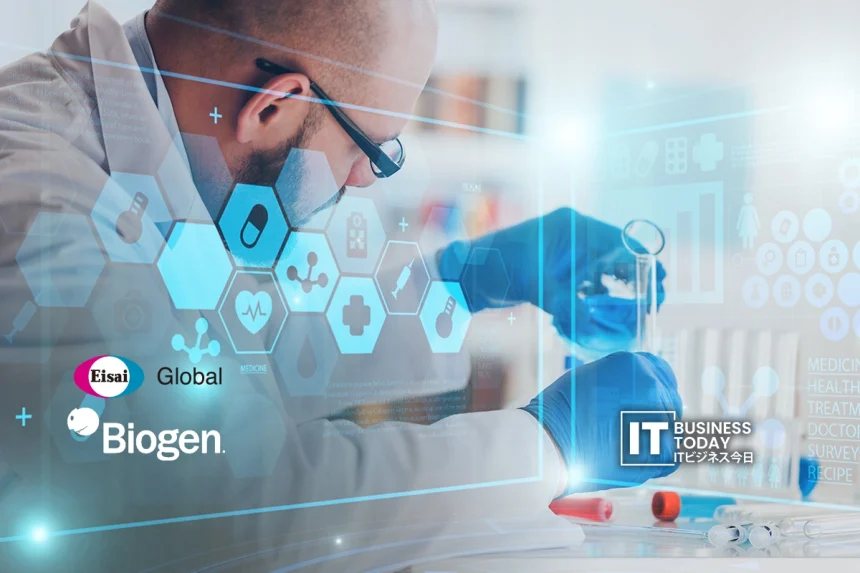
エーザイ とそのグローバル・パートナー バイオジェン 当社は、このたび、抗アミロイド剤「LEQEMBI(レケンビ)」の皮下注製剤(SC-AI)について、早期アルツハイマー型認知症治療剤として、独立行政法人医薬品医療機器総合機構に製造販売承認申請を行いました。この製剤が承認されれば、患者は当初から自宅で注射を受けることが可能となり、従来の点滴静注療法からの大きな転換となります。.
第3相「Clarity AD」非盲検延長試験のデータは、本申請を支持するものです。500mgの週1回の皮下投与(250mgの注射を2回使用)は、静脈内投与と同様のレベルと結果をもたらします。安全性プロファイルも良好です。全身性輸液に対する反応は2%未満です。.
LEQEMBIが承認されれば、日本のアルツハイマー病治療が変わります。患者さんが最初から自宅で服用できる初めての抗アミロイド剤となります。これにより、患者さんや介護者の方々の体験が大きく向上するでしょう。.

こちらもお読みください: キンコーズとVeeva Japanがパートナーシップ契約を締結
皮下投与という選択肢が患者と医療にもたらすもの
皮下LEQEMBIは、標準的な静脈内投与法よりも重要な利点があるかもしれません:
利便性と快適性:自宅で注射を打つことができます。2週間ごとに通院する必要はありません。.
使用する医療資源の減少:SC-AIは治療を簡素化します。輸液の前準備を省き、看護師の監視を削減し、病院の手順を合理化します。.
アクセスの改善:在宅管理は、移動に問題がある患者さんや、輸液クリニックへのアクセスに問題がある患者さんなど、より多くの患者さんが利用できるようになります。.
専門家たちは、これは日本におけるアルツハイマー病治療の障壁を減らすことになると主張しています。.
製薬業界にとどまらない広範な影響:日本における技術、データ、ヘルスケアサービスの意味するもの
今回の発表は医薬品開発に焦点を当てたものです。また、日本のハイテク産業、データインフラ、医療サービスにも影響を与える可能性があります:
デジタルヘルス&リモートケアソリューションへの刺激
在宅注射によるアルツハイマー治療が増加。これにより、デジタルヘルスツールのニーズが高まります。遠隔モニタリングシステム、遠隔医療プラットフォーム、ケアマネジメントアプリなどがこれにあたります。ハイテク企業は新たな成長機会を見出すでしょう。特に、高齢者ケア、遠隔モニタリング、患者データ管理で顕著です。.
データとAIを活用したアルツハイマー病ケア
自宅や診療所での治療が増えています。そのため、データを収集、管理、分析するためのより良い方法が必要です。このデータは、患者が治療計画にどれだけ従っているかを追跡するものです。また、副作用のモニタリングも行います。ここでは患者からのフィードバックが鍵となるでしょう。AIベースの医療データ・プラットフォーム、電子カルテ・プロバイダ、AI診断ツールは、おそらく大きく成長するでしょう。.
インフラと供給-チェーン・インパクト
SCオートインジェクターへのシフトは、病院外での保管、流通、投与が可能なため、医療用品の管理方法を変える可能性があり、在宅治療が一般的になるにつれて、物流、コールドチェーン管理、医療機器製造、医薬品サプライチェーンソフトウェアに携わる企業の需要が高まる可能性があります。.
高齢者介護サービスとインシュアテックに弾み
我が国は高齢化率が高いため、アルツハイマー病ケアの革新において世界をリードしています。在宅介護が一般的になる日も近いかもしれません。このシフトにより、完全な在宅介護サービス、遠隔介護者サポート、長期神経ケアに特化した医療保険のニーズが高まるでしょう。インシュアテック企業や介護技術プロバイダーは、この拡大する市場に参入する準備が整っています。.
クロス-産業界の協力が不可欠に
このようなメリットを実現するためには、医療提供者、テクノロジー企業、データプラットフォームベンダー、規制機関、保険会社が協力する必要があります。LEQEMBI SCの推進は、日本におけるこのような異業種間のコラボレーションを加速させ、より統合された「ヘルスケア+テクノロジー」のエコシステムを推進する一助となるかもしれません。.
課題と考察
規制当局の審査リスク:承認は保証されていません。PMDAは安全性、有効性、SC投与が実生活でどの程度機能するかを調べます。.
アドヒアランスとモニタリング:在宅投与は、患者や介護者に責任を負わせます。アドヒアランスを助け、副作用を管理するサポートシステムが必要になるかもしれません。.
データのプライバシーとセキュリティ:在宅医療が拡大する中、患者データの安全な取り扱いは不可欠です。特に、デジタルヘルスプラットフォームや遠隔モニタリングの台頭が顕著です。.
インフラとトレーニングには、医療機器のサプライチェーン、在宅ケアのロジスティクス、介護者のトレーニング、医療廃棄物の管理などが含まれます。.
転機となる可能性がある理由
SC-AI版LEQEMBIの承認により、アルツハイマー病治療へのアクセスが向上します。この画期的な技術は、在宅介護を容易にします。患者と介護者の負担を軽減します。自宅での自己投与はストレスを軽減し、生活の質を向上させ、長期的な治療を容易にします。このイノベーションは、ヘルスケアとテクノロジーの融合を支援します。日本の高齢化社会における医療とデジタルツールの融合。.
そのため、この開発は一般的なイノベーションの触媒として機能し、結果としてデジタルヘルスプラットフォーム、遠隔ケア、AIによるモニタリング、支援インフラの成長を促進する可能性があります。.


 日本語
日本語