 English





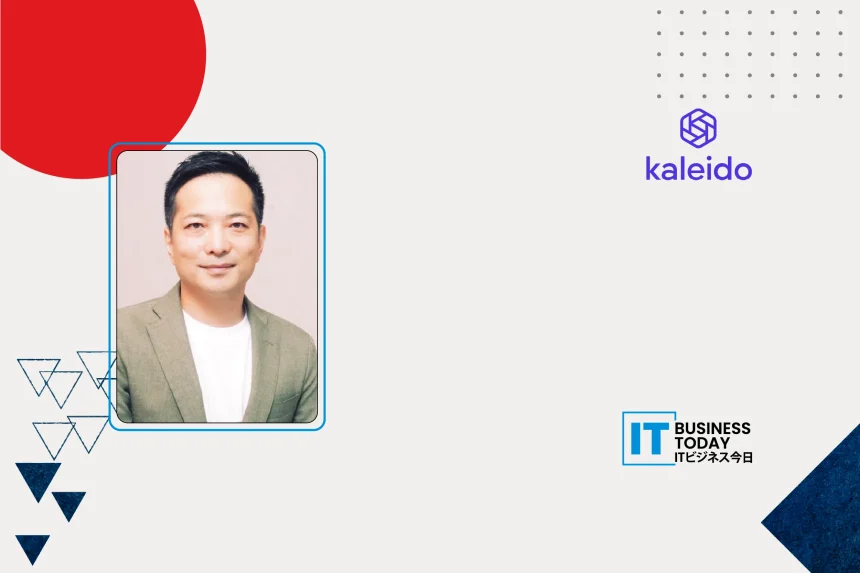
Munetoshi Yamada has joined Kaleido as Head of Business Development, Japan, taking on a role focused on the company’s engagement with financial institutions and enterprises in the Japanese market.
Yamada announced the move on LinkedIn, describing Kaleido as a U.S.-based enterprise Web3 infrastructure company. He said his new role will involve bringing the company’s technology to Japanese financial institutions and businesses.
The appointment comes as tokenisation, digital assets and blockchain infrastructure continue to attract attention across Japan’s financial sector. Financial institutions are exploring how blockchain-based infrastructure could support areas such as digital securities, settlement, asset issuance and other financial-market applications.

Kaleido’s positioning in enterprise Web3 infrastructure places its Japan strategy within this broader shift. In his announcement, Yamada also pointed to the technology’s use by central banks, commercial banks and SWIFT, highlighting the growing focus on blockchain infrastructure beyond cryptocurrency-focused applications.
Yamada brings experience in fintech and blockchain, and has previously written about the potential role of blockchain in digitalising industries and connecting businesses through shared data infrastructure. His earlier work examined applications including supply-chain traceability and digital transactions.
こちらもお読みください: ムーモウ証券ジャパンへの是正勧告が、フィンテック分野におけるコンプライアンスリスクの高まりを浮き彫りにしています
His move to Kaleido is therefore notable against the backdrop of Japan’s developing digital-asset ecosystem. As financial institutions increasingly examine tokenised assets and blockchain-based infrastructure, business development leaders with experience across financial services and emerging technologies could play an important role in connecting global platforms with local requirements.
For the wider MarTech and technology community, the development also reflects a broader trend: blockchain is increasingly being considered as enterprise infrastructure rather than solely as a cryptocurrency technology.
Yamada’s new position places him at the intersection of that shift and Japan’s evolving institutional digital-asset market.

 日本語
日本語