 English





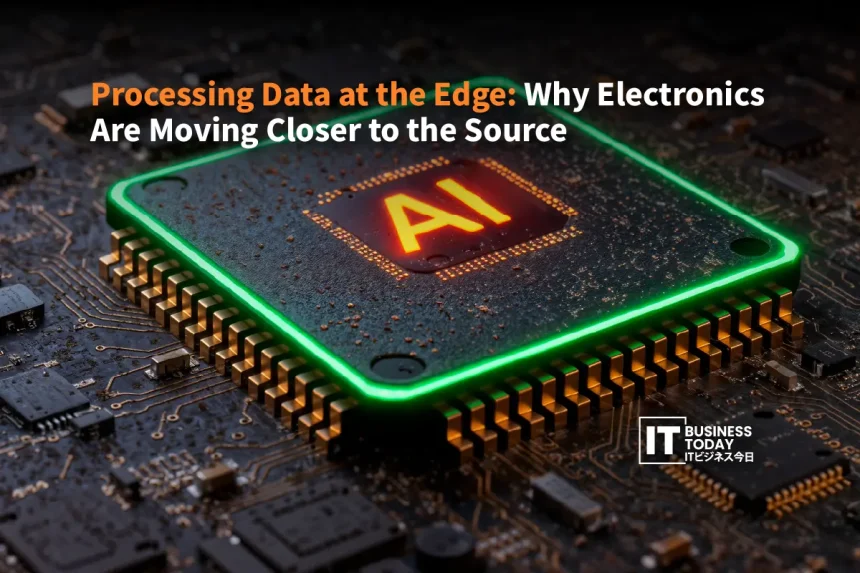
ほぼ10年間、テクノロジーにおける支配的な信念はシンプルでした。クラウドファースト。すべてを一元化。データを巨大なデータセンターに集め、あとはスケールに任せればいいのです。ストレージ、アナリティクス、エンタープライズ・ソフトウェアではうまくいきました。しかし、同じ論理が今、物理的な限界と衝突しています。.
工場のラインでは、ロボットアームが100ミリ秒でも遅れて動作する必要がある場合、操作に大きな問題が発生します。このシステムでは、ミスアライメント、損傷、ダウンタイムの3種類のエラーが発生します。自律システムは、遠隔地のクラウドサーバーへのラウンドトリップなしで決定を下す必要があるため、障害物を即座に検出する必要があります。大陸をまたぐデータパケットの送信は、物理法則の連続的な動作を中断しません。.
だからこそ、エレクトロニクスにおけるエッジ・コンピューティングは、単なるアーキテクチャのトレンドのひとつではありません。物理的に必要不可欠なものになりつつあるのです。.

こちらもお読みください: 日本のアルゴリズム労働力:AIはどのように雇用、スキル、リテンションを再構築しているのか
インテルによると, エッジAI 中央集権化されたクラウドサーバーにデータを送信する代わりに、データソースまたはその近くでローカルにデータを処理することにより、ほぼリアルタイムの洞察が可能になります。この定義はシフトを完璧に捉えています。電子機器におけるエッジ・コンピューティングとは、データを発生源で処理することで、レイテンシーと帯域幅の負担を軽減しながら、即座の意思決定を可能にすることを意味します。.
世界はクラウドを放棄しているわけではありません。スピードと自律性が要求されるようになったからです。.
エレクトロニクスがエッジへシフトする理由
このシフトを理解するためには、一歩下がって、データが実際にどのように移動するのかを見てみる必要があります。センサーからの信号はすべて、ルーター、スイッチ、ファイバー・リンク、バックボーン・ネットワークを経由して、クラウド・データ・センターに届かなければなりません。理想的な条件下であっても、その移動には遅延が生じます。現実の環境では、輻輳、ルーティングの複雑さ、距離がそれを悪化させます。.
電子メールやビデオストリーミングのようなアプリケーションでは、この遅延は管理可能です。しかし、産業機械や自律走行車で動作する組み込みAIシステムでは、遅延がパフォーマンスや安全性に直接影響します。そこで、エレクトロニクスのエッジ・コンピューティングがアーキテクチャを変えます。.
エッジデバイスは、生データを上流にストリーミングする代わりに、ローカルでフィルタリング、分析、機械学習推論を実行します。関連する洞察や要約のみがクラウドに移動します。NVIDIAが エッジコンピューティング ソリューションでは、最新のAIアプリケーションは、レイテンシーを削減し、帯域幅の消費を低減し、集中型システムにすべてを送信する代わりにローカルで膨大な量のセンサーデータを処理するために、エッジでのリアルタイム推論を必要とします。.
最初の変更点は、既存の3つの構造的な問題を完全に解決することです。第一に、意思決定がイベントの近くで行われるため、待ち時間が減少します。第二に、すべてのデータパケットが長距離を移動する必要がないため、帯域幅の使用量が減少します。第三に、機密性の高い業務データが広範囲に送信されるのではなく、送信元の近くに留まるため、セキュリティが向上します。.
簡単に言えば、エレクトロニクスにおけるエッジ・コンピューティングとは、アクションが起こる場所にインテリジェンスが配置されるようにシステムを再設計することです。.
エッジ・エレクトロニクスを支えるハードウェアの内部
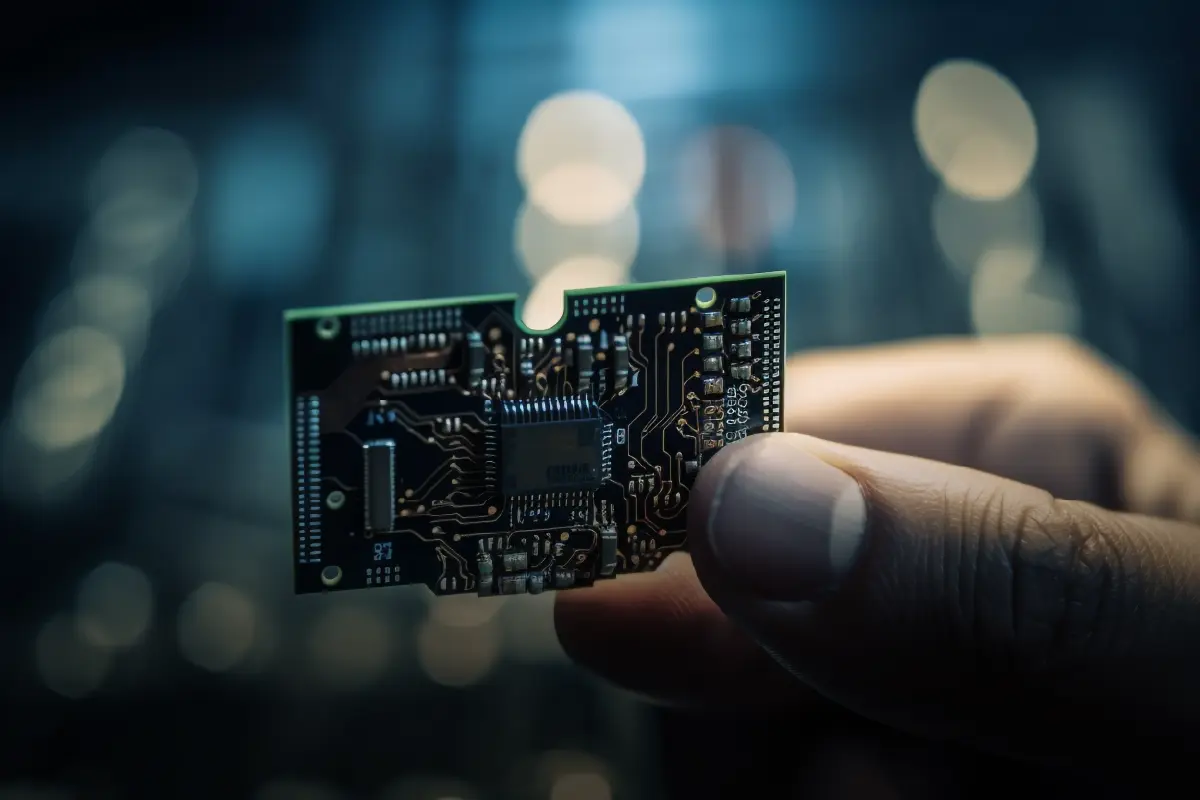
アーキテクチャのシフトは、ハードウェアの進化なしには起こりません。電子機器におけるエッジコンピューティングは、集中的な学習ではなく、推論用に設計された新しいクラスのシリコンに依存しています。ニューラル・プロセッシング・ユニット、AIアクセラレータ、ヘテロジニアス・システム・オン・チップは現在、カメラ、コントローラ、ルーター、ゲートウェイに搭載されています。.
これらのチップは、デバイス上で直接リアルタイムのデータ処理を可能にします。. センサー は、これまでの受動的なデータコレクターとしての役割から、組み込み型のAIタスクを実行するようになりました。このシステムは、異常を検出し、物体を分類しながら、局所的な対応を開始する能力によって作動します。システムは、受動的なセンサーの使用から能動的な意思決定システムの実装へと根本的に変化しました。.
しかし、エッジハードウェアは、クラウドサーバーにはない制約に直面しています。データセンターは安定した冷却システムを備えた管理された環境で稼働します。エッジデバイスは、工場、交通ハブ、油田、屋外などで動作します。熱、埃、振動、電力不安定は一般的な現実です。.
そのため、熱管理と電力効率は設計の中心的な優先事項となっています。エンジニアは、計算密度と信頼性のバランスを取る必要があります。デバイスが過熱したり、ストレス下で故障したりすると、ローカルの意思決定チェーン全体が崩壊します。.
企業での導入は、すでにこのシフトを反映しています。エリクソンは共同発表の中で、AIに最適化されたエッジシステムと5Gコネクティビティの統合を強調し、分散した場所でのエンタープライズグレードの低遅延AIワークロードをサポートしています。これは、エレクトロニクスのエッジコンピューティングがもはや実験的なものではないことを示しています。電気通信グレードのインフラに統合され、大規模に展開されつつあります。.
ハードウェアの話は明確です。インテリジェンスは外へと移動し、シリコンはデータセンターの外で生き残るために適応しています。.
エッジ・コンピューティングが現実の世界で現れる場所
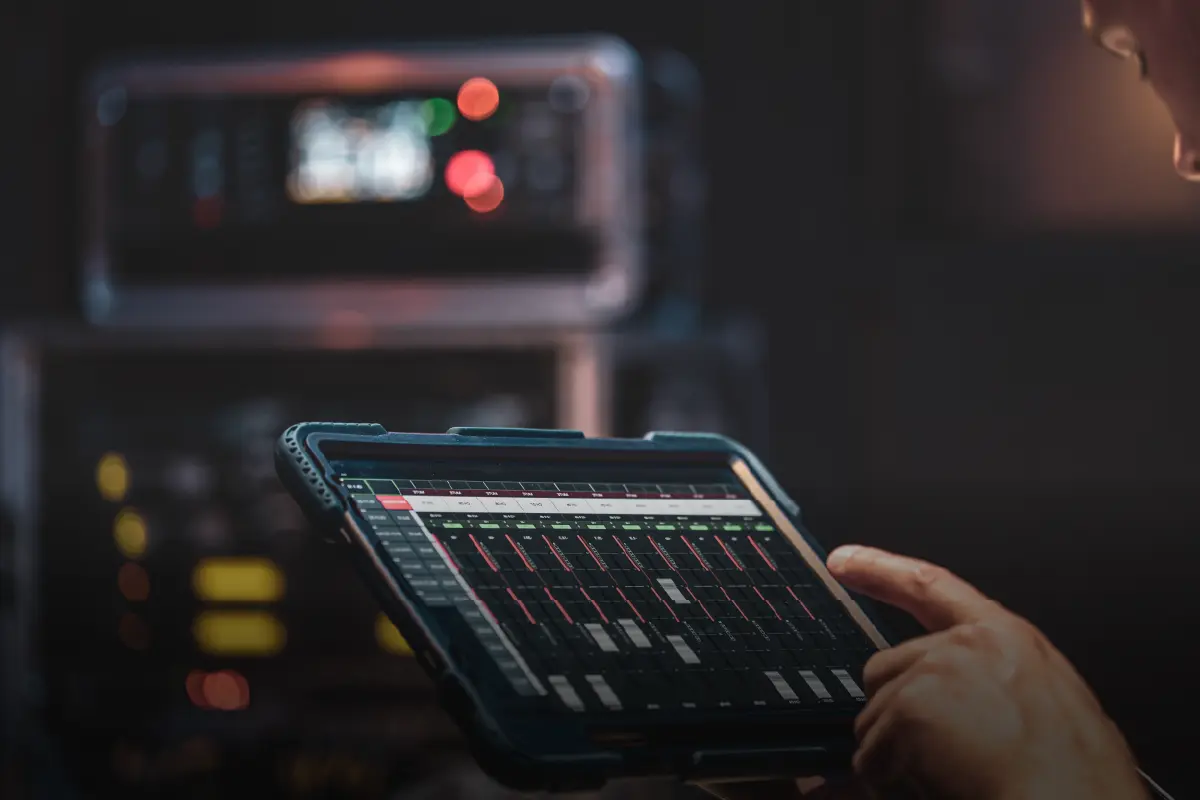
エレクトロニクスにおけるエッジコンピューティングの真の証明は、実世界での応用にあります。理論は簡単。導入は難しい。.
産業環境では、IIoTシステムは振動センサを使ってモータや回転機器を監視します。従来は、生の振動データは解析のために中央サーバにストリーミングされていました。現在では, エッジ デバイスはローカルでパターンを処理します。異常な動作を検出すると、即座にアラートが発せられます。これによりダウンタイムが短縮され、継続的なクラウド通信に依存することなく予知保全をサポートします。.
自律システムはこの論理をさらに推し進めます。自動運転車や自律型ロボットは、ブレーキをかけたり方向を調整したりする前に、遠隔地からの確認を待つことはできません。デバイス上でリアルタイムの分析を行う必要があります。ここで、低レイテンシー・コンピューティングが安全性に直結します。エレクトロニクスのエッジ・コンピューティングは、このような一瞬の判断をサポートするオンデバイスAI処理を可能にします。.
スマートインフラはもうひとつの重要な領域です。モジュール式のデータセンターは、需要ゾーンの近くに設置されるようになりました。エネルギー・グリッドは、変動に局所的に対応できるインテリジェント・ノードを統合しています。エネルギー・グリッド 世界経済フォーラム, エッジAIは、クラウドに完全に依存することなく、ローカライズされた意思決定とリアルタイムの対応を可能にすることで、エネルギーおよび重要インフラシステムの耐障害性を強化します。.
これはパフォーマンスだけの問題ではありません。レジリエンスの問題です。インテリジェンスが分散していれば、中央集権型のネットワークに障害が発生しても、システムは稼働し続けることができます。.
エレクトロニクスのエッジ・コンピューティングは、さまざまな分野で、機械がどのように感知し、考え、行動するかを再定義しています。.
エッジの弱点を克服
エレクトロニクスにおけるエッジコンピューティングは、その利点にもかかわらず、新たな課題をもたらします。分散システムは、集中システムよりも本質的に複雑です。.
大きな懸念のひとつは、データの整合性です。モデルが何千ものデバイスでローカルに実行される場合、どのように整合性を保てばいいのでしょうか?解決策はハイブリッドクラウドエッジアーキテクチャにあります。トレーニングや大規模な分析は集中環境で行い、推論はローカルで行います。定期的な同期により、応答性を犠牲にすることなくモデルの更新を維持します。.
セキュリティ も形を変えます。エッジは輸送中の露出を減らす一方で、物理的な露出を増やします。デバイスは遠隔地や公共の場所に設置される可能性があります。そのため、ハードウェア・レベルのセキュリティ、セキュア・ブート・メカニズム、暗号化通信が不可欠になります。.
相互運用性もハードルのひとつです。エッジのエコシステムには、複数のベンダー、プロトコル、組み込みシステムが含まれます。共通の標準がなければ、統合には時間がかかり、コストもかかります。.
エレクトロニクスのエッジコンピューティングは、待ち時間と帯域幅の負担を軽減します。しかし、規律あるシステム設計とガバナンスが要求されます。報酬は自律性。コストは複雑さ。.
6Gとその先へ
今後、コネクティビティがエレクトロニクスのエッジコンピューティングに取って代わることはないでしょう。エッジ・コンピューティングは強化されるでしょう。.
ネットワークがAIネイティブ・アーキテクチャに向けて進化するにつれ、インテリジェントな接続デバイスの数は飛躍的に拡大するでしょう。インテリジェント・ワールド2035の展望, ファーウェイ は、世界が分散型インテリジェンスに移行するにつれて、インテリジェントなコネクテッド・デバイスとAI主導のコンピューティング需要が飛躍的に伸びると予測しています。.
この予測は、私たちがすでに目にしている軌道を補強するものです。エッジでのデバイスの増加。ローカルで行われる推論の増加。中央の頭脳ではなく、サポートとして機能するより高速なネットワーク・レイヤー。.
エレクトロニクスの未来は、クラウドからの距離によって定義されるものではありません。それは、システムがソースでいかにインテリジェントに動作するかによって定義されるでしょう。インテリジェント。ローカル。インスタント。.



 日本語
日本語