 日本語






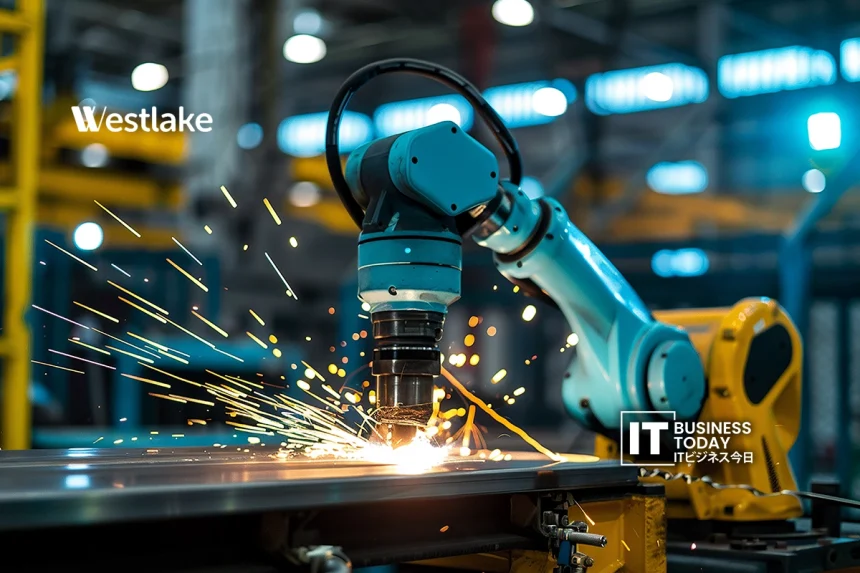
Westlake Pipe & Fittings, a division of Westlake Corporation, has completed construction of a new molecular-oriented polyvinyl chloride (PVCO) pipe manufacturing facility in Wichita Falls, Texas. Announced on October 29, 2026, the expansion adds 190,000 square feet to the company’s existing manufacturing site and increases its North American production capacity for advanced PVCO pipes.
The facility is located at 3348 Industrial Drive and is intended to strengthen Westlake’s ability to supply products for municipal water infrastructure and other applications. The company said the project was completed on time and within budget, marking the largest expansion investment in a Westlake Housing & Infrastructure Products facility.
The development also introduces PVCO pipe manufacturing to the Wichita Falls region, supporting Westlake’s plans for regional growth, product development and job creation.

PVCO is an advanced form of PVC pipe that Westlake introduced in 2021. The material is designed to provide strength, durability and suitability for potable water conveyance while offering manufacturing, installation and environmental advantages.
What PVCO Technology Brings to Water Infrastructure
Oriented PVC is made by stretching and rearranging the molecules of PVC during the production process. This method makes the material stronger. Allows manufacturers to create pipes that are both strong and lighter in weight.
For water distribution systems these features can bring advantages. Lighter pipes are easier to move carry and put in place which might lower the costs and effort needed for building projects. Their strength and lasting nature are also important for city water systems that need to work well for many years.
Westlake says its PVCO products are good for carrying drinking water and can make installation faster. The company also mentions that the material has an effect on the environment as a benefit.
The environmental advantages of using a type of pipe will depend on things, like how it is made how far it has to be moved the size of the pipe how it is put in and how long it lasts. Still using the material efficiently and having lighter pipes can help reduce the resources needed for water projects.
Strategic Importance of the Wichita Falls Facility
The new facility expands Westlakes existing manufacturing footprint in the United States. The facility is in Texas giving Westlake access to a well positioned regional manufacturing base that helps Westlake ship products across North American markets.
Westlake Pipe & Fittings runs 24 manufacturing and distribution locations. Westlake sells gasketed solvent-weld and restrained- pipes, plus fittings for municipal water and sewer systems, plumbing, electrical infrastructure, water wells, pools, agriculture and irrigation.
Adding PVCO production capacity gives Westlake manufacturing capability for a specialized pipe category. The move also widens the product options that Westlake offers to customers who work on water infrastructure development and replacement projects.
For Westlake the investment shows how important it is to combine manufacturing scale, with material innovation. Water utilities and contractors need infrastructure products that meet requirements and also support efficient installation, maintenance and long‑term asset management.
Implications for Japans Water Infrastructure Industry
The expansion matters to Japan. In Japan people who run water infrastructure must keep pipes working or replace them. City governments in Japan have to juggle how reliable the system stays, how much building costs how many workers are available and how to keep the community little disturbed as possible.
New plastic pipe materials like PVCO could help in the places because they are strong, easy to handle and might be faster to install. Japans construction crews can especially benefit from pipes when they have to move and set pieces in hard‑to‑reach spots or in crowded city areas.
For pipe makers and suppliers of construction materials Westlakes funding shows how important special materials and good production tech are. In Japan firms that make pipes while cutting down on how they make and move them will be in a stronger spot to help water utilities and contractors.
Using PVCO in Japan depends on whether it meets Japans technical rules the needs of utilities buying rules and the details of each project. Existing systems in Japan may also need checks to see if a new pipe will fit before it can be used widely.
This new development can start talks, in Japan about which materials to use, how to replace pipelines and how advanced polymer tech can help water distribution.
Business Effects on Pipe Manufacturing and Construction
Westlakes completed expansion shows how manufacturers are putting money into capacity to meet the need for special infrastructure materials. For the construction supply chain more local production ability can make it easier to get products and might help cut down on the need for long-distance shipping.
Pipe manufacturers might have pressure to make their products stand out by being stronger using materials more efficiently working better during installation and being better for the environment. This might lead to money spent on production methods, product design and factory improvements.
Water companies and builders who work on infrastructure might also get choices when looking at pipeline projects. The decision will still depend on things like how pressure the pipes need to handle what the ground is, like how much it costs to install how long they should last and how much maintenance they need.
Also Read: AiMOGA Opens Global Pre-Orders for Mobo Home Robot
Outlook
Westlake’s 190,000-square-foot PVCO manufacturing expansion boosts its production capabilities in North America. This move strengthens the company’s focus on water infrastructure products. The completion of the Wichita Falls facility adds capacity for a material that offers strength, durability and easier handling.
For the industry this investment shows how advanced polymer materials are helping to modernize water distribution systems. Countries like Japan are dealing with aging infrastructure. In this situation manufacturers that can provide sound and resource-efficient pipeline solutions will continue to play a key role, in the construction and utilities supply chain.



 English