 日本語
日本語 





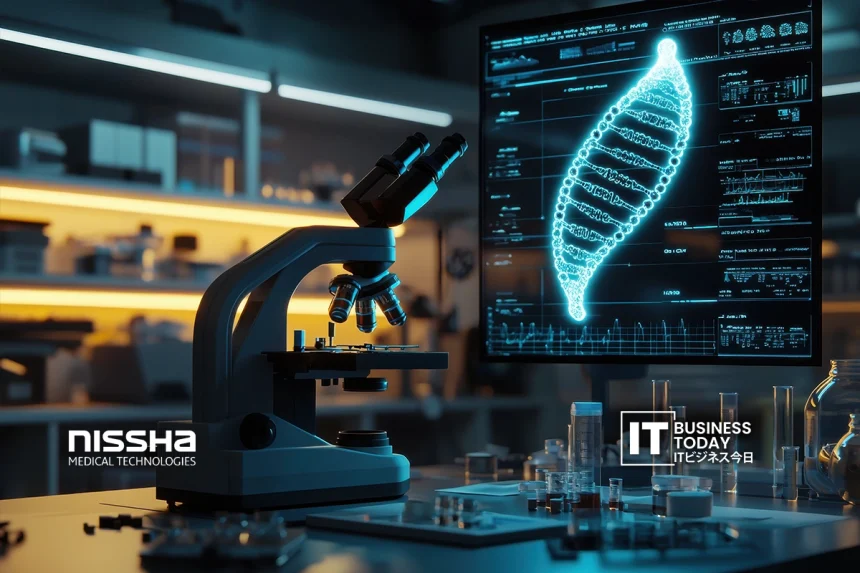
Japan medical manufacturing firm Nissha Co. Ltd. is building upon its worldwide healthcare technology presence through a significant United States micro molding initiative. Its division, Nissha Medical Technologies recently invested in a new 50,000-square-foot building in New Richmond Wisconsin to support a dramatic increase in manufacturing capabilities for and fine medical device parts. This additional capacity is driven by an increasing worldwide demand for highly miniaturized precision medical devices.
These will be incorporated into key emerging medical technologies like minimally invasive surgery, robotically assisted procedures, wearable health monitoring devices, and state of the art diagnostic systems. The company claims that the new plant will boost Much the existing micro molding capacities.
The project is expected to be operational by April 2027, after which the rest of the year will be broken up into phases of equipment installation and operation. The company plans to grow by a minimum of 25 additional jobs and invest millions of dollars in advanced manufacturing infrastructure.

Also Read: Araya Launches AI-Driven Neuroimaging Workflow Tool
Growing Importance of Micro Molding in Healthcare Technology
Micro molding has rapidly established itself as one of the most important manufacturing processes in the global medical device industry. This process allows the production of exceedingly small, highly precise, plastic components, with accuracy to within a micron.
Nissha’s micro moulded components are currently used in a very wide variety of medical devices and products including: Endoscopic instruments Surgical robot systems Wearable health sensors Drug delivery devices Medical elements on alternative componenets Diagnostic and life science equipment; With the ongoing implementation of robotic surgery and other precision medicine devices and tools by healthcare providers, the need for ultra-miniature components requiring tighter tolerances and greater functionality will persist.
The growth allows Nissha to take advantage of the industry shift for the long-term.
Strategic Significance for Japan’s Medical Technology Industry
This investment also underscores the increasing participation of Japan in the global MedTech manufacturing ecosystem. Japanese industry has a long-established reputation for innovation in product precision engineering, advanced materials, and industrial automation. And by making this latest investment, Nissha is already showcasing how Japanese companies are now utilizing that experience in the global expansion of high-growth healthcare technology markets.
Development of Japan’s broader technology industry could indicate expanding business opportunities in specialized manufacturing areas such as micro fabrication, precision tooling, automation systems, and high-grade polymers for the medical field. Healthcare providers that produce industrial robotics, manufacturing equipment compatible with semiconductor-grade standards, and AI-enabled diagnostic tools might see more dollars flowing into advanced medical manufacturing infrastructure.
Industry analysts think that the Japanese MedTech supply chain will potentially face increased demands from around the world as hospitals and medical device companies search for reliable manufacturing partners who can produce very high precision parts.
Impact on Global Healthcare and Manufacturing Businesses
The knock on effects from the expansion tend to influence many industries outside of health care. Industries involved in precision manufacturing automation materials science, and industrial software might experience higher opportunities as the production in micro molding continues to become more advanced.
The new facility is said to boast state-of-the-art machining, automation and injection molding capabilities to optimize production and increase scalability.
This trend ultimately reflects the global shifts happening within manufacturing over the last couple of decades, as various firms are expanding their spending on: Smart factory technologies Production monitoring with the AI enterprise: Automation Intelligence is a source of new and cutting-edge automation solutions.
Monitors for automated quality assurance High precision robotics A) Integrated manufacturing platforms The trend to miniaturisation and advanced complexity of medical devices of course places ever greater demands on manufacturing evidence including consistent processes, traceability and regulatory compliance Apart from manufacturing efficiencies.
We can That means expect to see increased opportunities for digital manufacturing technologies and next generation process engineering tools.
Strengthening the U.S.-Japan MedTech Partnership
The new location of our Wisconsin facility is very important. The site is close to the MinneapolisSt. Paul region, which is one of the largest medical device innovation centers in the U. S.
Locating near large MedTech OEMs presents a similar opportunity for Nissha Medical Technologies to deepen its relationships within the healthcare technology space and hasten the release of new surgical and diagnostic equipment. The relocation And strengthens the expanding economic as well as technological connection between Japan and the US in premier healthcare manufacturing.
More Japanese companies are investing in North American production facilities to be in proximity to consumers, to avoid supply chain hazards and to assist regional innovation ecosystems.
Future Outlook for the Medical Manufacturing Industry
The field of minimally invasive surgical devices, wearable healthcare devices, and robotic assisted technologies is anticipated to grow at a quick rate in the coming years worldwide. As a result, a surge in market for micromachining is predicted.
The expansion of Nissha exemplifies how medical manufacturers are positioning themselves for a future in which health care devices are smaller, smarter, and increasingly interconnected.
Those companies able to offer state-of-the-art precision manufacturing on a large scale may have a decided edge in the future. For Japan’s technology and manufacturing industry, the investment goes beyond the grounds of an enlarged plant; it embodies the country’s long-term goal of being the world leader in advanced manufacturing innovation as well as newer health-related advances.



 English