 日本語
日本語 





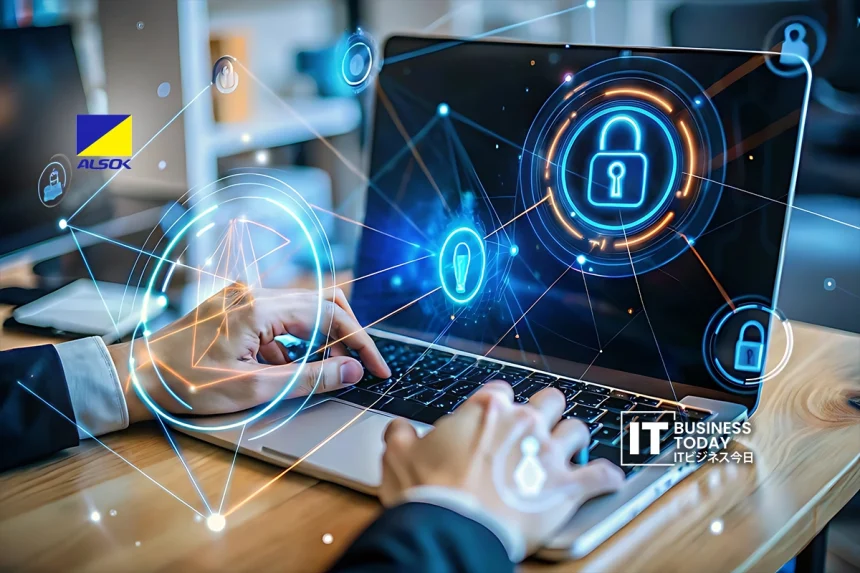
Cybersecurity incidents are becoming harder for companies to manage, particularly when ransomware attacks or data breaches disrupt daily operations. ALSOK has announced a new Incident Response Support Service aimed at helping organizations respond more effectively when those situations arise.
The service became available at the end of May 2026. It provides access to a 24-hour consultation framework for companies dealing with cybersecurity incidents, including ransomware infections, unauthorized access, and information leaks. ALSOK will serve as a point of contact during incidents and help connect organizations with specialized cybersecurity partners when additional support is required. The company is also offering assistance with creating response procedures and related documentation.
Why ALSOK Is Launching This Now
Cyberattacks have become a serious operational risk across Japan. What used to be an issue for individual organizations is now creating problems across entire supply chains. Manufacturers, logistics providers, retailers, and operators of critical infrastructure have all been affected in recent years.

At the same time, businesses are under growing pressure to prove they can respond properly when an incident occurs. Having security tools in place is no longer enough. Customers, regulators, and business partners increasingly want to know what happens after an attack is discovered.
ALSOK says many organizations are looking for practical ways to improve preparedness before an incident takes place instead of trying to figure everything out during a crisis.
Also Read: OpenAI’s Cybersecurity AI Rollout to Japan’s Megabanks Signals New Era of AI-Driven Financial Defense
Regulatory Changes Are Also Playing a Role
Japan’s evolving cybersecurity requirements are part of the picture as well.
The country is preparing to introduce a new security evaluation framework focused on supply chain resilience, with implementation expected from 2027. Companies are expected to maintain clearer documentation and establish more structured procedures for handling cyber incidents.
That matters because cybersecurity is gradually moving beyond the IT department. For many businesses, particularly those that operate within large supplier ecosystems, cyber resilience is becoming tied to compliance requirements, risk management, and business continuity planning.
Many Companies Still Lack a Response Plan
Spending on cybersecurity technology has increased, but preparedness levels still vary widely.
A company might have endpoint protection software, network monitoring tools, and firewalls. Then an attack happens.
Questions start appearing immediately. Who needs to be contacted? Which systems should be isolated first? What information should be shared with customers? Does the incident need to be reported to regulators? How quickly can operations be restored?
These decisions often need to be made within hours.
That is where ALSOK sees an opportunity. The service focuses on operational guidance and coordination support so companies have somewhere to turn when an incident unfolds.
What This Means for Japan’s Cybersecurity Market
The launch also says something about where the cybersecurity market is heading.
For years, most security discussions revolved around prevention. Companies invested in tools designed to stop attacks before they entered the network. That approach remains important, but there is increasing recognition that even well-protected organizations can experience security incidents.
Recovery, response, and resilience are becoming larger parts of the conversation.
As a result, areas such as incident response consulting, managed security services, digital forensics, and cyber resilience planning are expected to attract additional investment over the next several years.
Potential Impact on Technology Vendors
The effects are unlikely to stop with cybersecurity providers alone.
Technology vendors offering integrated security capabilities could see growing demand as organizations look for more complete solutions. Many businesses are trying to reduce the complexity that comes with managing multiple security products from different vendors.
Instead, they are looking for partners that can support prevention, detection, response, and recovery as part of the same security strategy.
That trend could create new opportunities for cloud providers, managed service providers, cybersecurity consultancies, and specialist response firms.
Why Businesses Should Pay Attention
The business case is relatively straightforward.
A faster response can reduce downtime. It can limit financial losses. It can also help contain reputational damage before a situation escalates further.
This is particularly relevant for organizations operating in interconnected supply chains where a disruption at one company can quickly affect several others.
As digital transformation projects continue across Japan, recovery capabilities are becoming just as important as prevention measures.
Physical Security Companies Are Moving Into Cybersecurity
The announcement is also another example of physical security providers expanding into digital security services.
ALSOK has traditionally been known for physical security operations. Its move into cyber incident response reflects a broader shift happening across the industry.
Businesses increasingly face risks that span both physical and digital environments. Security providers are responding by broadening their portfolios and offering services that address both sides of the risk equation.
A Sign of Where the Market Is Headed
Viewed on its own, this is a product launch.
Viewed as part of a wider industry trend, it reflects how organizations are changing their approach to cybersecurity.
Resilience, response planning, and operational readiness are becoming larger priorities. Regulators are paying closer attention to supply chain security. Cyberattacks continue to become more frequent and more disruptive.
Services focused on incident response were once viewed as an additional layer of protection. Increasingly, they are becoming a standard requirement for organizations that want to maintain business continuity when security incidents occur.

 English