 日本語
日本語 





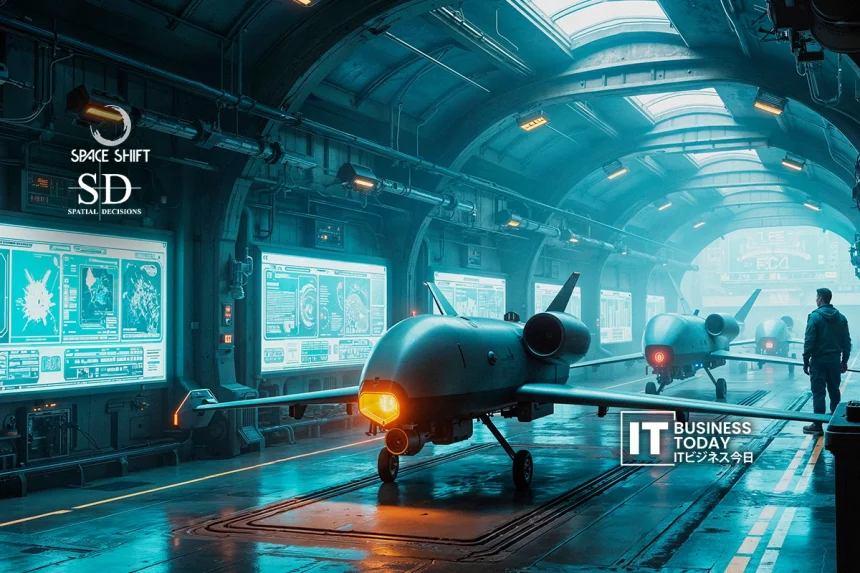
SpaceShift Co., Ltd. has signed a Memorandum of Understanding with Spatial Decisions Vietnam Company Ltd. The goal is pretty direct. Take AI-based satellite data analysis and move it into real commercial use across Vietnam first, then expand into Southeast Asia.
This was signed on the instance of the Vietnam-Japan Space Horizons 2026 Forum held in Hanoi on 12 March 2026. Not just a symbolic signing. The context matters here because the region is already dealing with very real problems. Rapid urban expansion, climate risks getting worse, and infrastructure that needs constant monitoring but cannot rely only on field surveys anymore. Those traditional methods are slow and expensive.
So the idea here is to use satellite data instead. SpaceShift brings its AI platform called SateAIs into the picture. This system works on satellite imagery and focuses on practical use cases like urban monitoring, disaster detection, and agricultural tracking.

Also Read: New Space Intelligence Raises ¥430M for Data Fix
Urban monitoring means things like detecting new buildings, or spotting illegal construction activity. For disasters, especially floods, the system can map damage and changes quickly, both immediately and over time. On the agriculture side, it tracks crop growth stages so productivity can be monitored more consistently instead of guessing from limited ground checks.
Spatial Decisions Vietnam plays the local role in this partnership. They already have working relationships with governments and private sector players in the region, especially in geospatial and urban planning work. SpaceShift brings the core tech, including SAR-based satellite analysis and change detection that works even in bad weather conditions.
There is also an existing connection through SpaceShift’s ‘SateBiz’ program, which is basically a co-creation ecosystem for satellite data applications. SDVN is already part of that network, so this MOU is more like an expansion of work that has already started rather than something completely new.
Next step is pilot projects. They will test use cases in disaster monitoring and urban tracking first. If that holds up, then it moves toward commercial rollout across more countries in the region.
Long term, both companies are trying to build something bigger than just a tool. More like a system where satellite data becomes a regular input for how cities, farms, and disaster response are managed in Southeast Asia.


 English