 日本語
日本語 





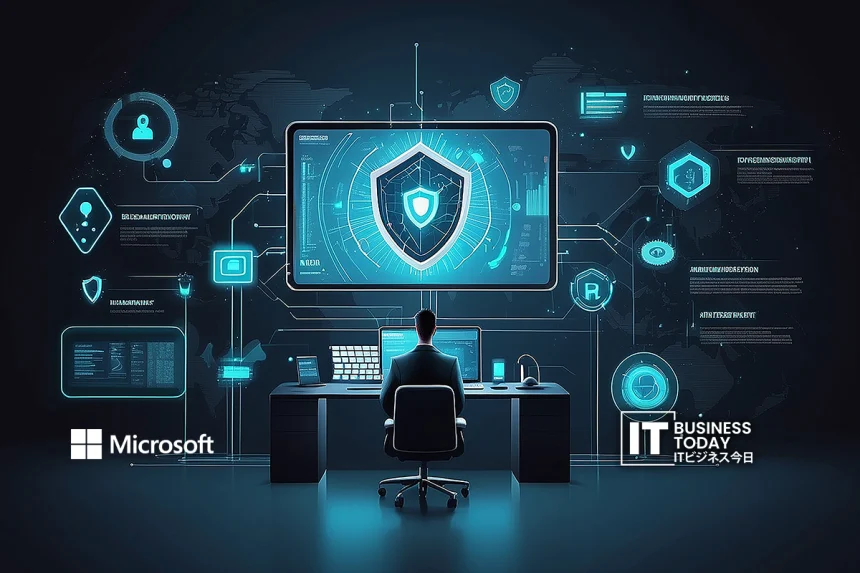
Microsoft is also quickly releasing emergency updates for many computers running Windows worldwide. These updates have patched severe bugs that had created issues post January Patch Tuesday. The company responds quickly. This shows it cares about concerns over the quality and reliability of major Windows updates. These updates are vital for the stability of operating systems that businesses and users depend on daily.
What Went Wrong with the January Patch
Microsoft ushered in the year 2026 with the first security and feature updates of the new year, as scheduled in the Patch Tuesday updates. However, users soon indicated a major problem with the updates affecting either Windows 11 or Windows 10. These include several critical issues that need fixing.
Some PCs would freeze instead of powering off when they failed to shut down or hibernate properly.

Remote Desktop login failures leave users unable to sign in through remote access tools.
Other system instability and app crashes in certain configurations.
Microsoft quickly released updates to fix critical issues and restore normal system function. They are sending these urgent fixes through Windows Update and the Microsoft Update Catalog to reach as many users as possible.
Also Read: Nozomi Networks Expands into Singapore to Support Asia Pacific and Japan Cybersecurity Demand
Why Emergency Updates Are Unusual — and Significant
The big players in the software world, like Microsoft, follow the second Tuesday of every month for the updates. This planning allows IT administrators and individuals to plan for the installation.
Vendors often save emergency updates for serious issues. These include major security flaws or stability problems that need a quick fix. Although emergency updates are not new, issuing one soon after a major monthly update is a significant move. This is especially true when the update fixes basic operations like shutdown and login.
The need for emergency updates shows that modern operating systems are getting more complex. This illustrates the significance of software quality in the context of a stable always-on system. This can range from personal productivity software to the backend infrastructure of enterprises.
Impacts on Users and IT Teams
For Consumers:
Millions of users of Windows were adversely affected in their home desktops as well as in laptops. Shutdown times as well as login times were disrupted by errors. Users faced risks of data loss when systems went offline without warning. This caused significant productivity losses and frustration.
For Businesses and Enterprises:
Organizations depend heavily on stable, predictable OS behavior. Disruptions to remote desktop access and shutdown routines can have ripple effects, especially in distributed work environments or on shared systems. IT departments now face increased workload to:
Verify that emergency updates have been applied correctly;
Ensure affected devices are functioning normally;
Test future patches in staging environments to avoid similar production issues.
Rapid emergency patching may also strain internal resources — particularly for small and medium businesses without dedicated IT teams.
Context: Cybersecurity and Update Reliability
Recent events have made us realize the need to take immediate action. Microsoft’s January Patch Tuesday update has remedied over 100 vulnerabilities. This number includes critical vulnerabilities that have active exploitation. Recent updates have made us realize the importance of staying current. Updating systems to the latest patches can help firms resist new threats. Some patches, although, can temporarily disrupt systems. However, some updates might cause temporary instability.
This creates a complex risk calculation for IT leaders: delaying updates leaves systems exposed, while rolling them out immediately can potentially introduce operational problems, as seen in this month’s scenario.
Relevance for Japan’s Tech Sector and Businesses
Japan’s corporate and public sectors overwhelmingly rely on Windows platforms for desktops, servers, and workstations — from large multinationals to SMEs. The emergency update events may have several implications:
- Increased IT Management Overhead
Japanese companies with distributed workforces or remote operations (especially those managing hybrid IT/OT environments) will need robust change control and patch testing processes to prevent similar operational surprises.
- Automate Updates and Enhance Monitoring for Improved Efficiency
Companies can speed up the use of tools like Windows Autopatch and advanced endpoint management suites. These tools help automate, schedule, and monitor updates. This reduces disruption and keeps security compliant.
- Impact on Supply Chain and Partners
Japan is deeply tied to global manufacturing, finance, logistics, and key infrastructure. So, even brief outages can affect supply chains widely. Coordinated update strategies will be critical to maintaining reliability across business networks.
- Impetus for Hybrid and Alternative OS Strategies
Some forward‑looking Japanese businesses may boost investments in cross‑platform cloud services, containerization, and virtualization to reduce dependencies on specific OS updates or transitions.
What Users Should Do Now
To mitigate risks and ensure systems remain secure and functional:
Install emergency updates immediately via Windows Update or the Microsoft Update Catalog.
Verify system stability post‑installation, particularly for remote access and shutdown operations.
Use staged testing for future patch cycles in enterprise environments.
Maintain regular backups to protect against unexpected failures.
Looking Ahead
Microsoft now faces intense scrutiny after this incident. Users and businesses depend on a stable operating system for trust, continuity, and security.
To build lasting confidence, Microsoft and other companies should:
Strengthen update testing.
Improve rollback options.
Develop more efficient deployment tools.
They should focus on these steps instead of only issuing emergency patches.
As digital transformation grows globally, including in Japan, tech leaders must ensure that core software platforms are secure and reliable. This challenge will only become more important after 2026.


 English