 日本語
日本語 





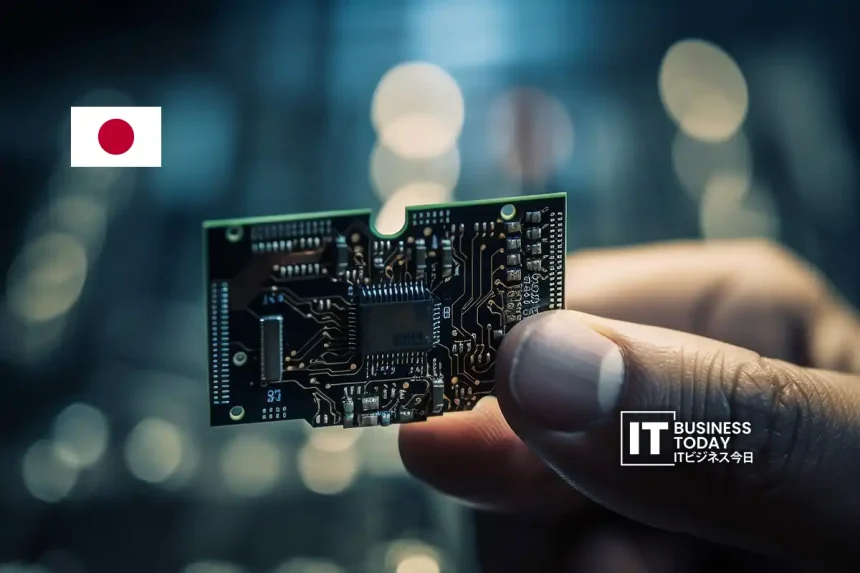
Japan is set to make a major policy shift. This move aims to boost its role in advanced technology. The Japanese government plans to quadruple its budget for semiconductors and artificial intelligence. This is a big step up in its industrial and digital strategy. Tokyo is increasingly urgent about securing critical technologies. This move aims to boost economic security and maintain long-term competitiveness in a quickly changing global tech landscape.
The new funding will be part of Japan’s upcoming national budget. It will support various initiatives. These areas are semiconductor manufacturing, supply-chain resilience, AI research, commercialization, and talent development. This policy change puts chips and AI at the heart of Japan’s economy and security plans. It brings Japan in line with big investment programs happening in the United States and Europe.
Why Japan Is Ramping Up Spending on Chips and AI
Semiconductors and AI are now key technologies. They support a wide range of areas. This includes consumer electronics, cars, defense systems, and financial infrastructure. Japan’s tech ecosystem has weaknesses. Recent supply chain disruptions, geopolitical tensions, and rapid advances in generative AI contribute to these issues. This is surprising because Japan has a strong history in materials, equipment, and precision manufacturing.

The government plans to boost public investment. This will help achieve several key goals at the same time.
Steps include:
- Rebuilding chip manufacturing at home
- Reducing reliance on foreign suppliers
- Speeding up AI innovation
Also Read: Japan’s ROHM and Tata Electronics Forge Strategic Semiconductor Manufacturing Pact
This can help increase productivity in many industries. The initiative shows worries about economic security. Access to advanced chips and AI now shapes national competitiveness.
The funding boost will help big projects like advanced semiconductor fabs. It will also back smaller efforts. This includes startups, university research, and applied AI development. Japan aims to catch up with global leaders. It also wants to build a strong and varied tech ecosystem.
Implications for Japan’s Semiconductor Industry
Japan used to lead the world in semiconductor production. However, it gradually fell behind competitors in Taiwan, South Korea, and the United States. Japanese companies are key suppliers of semiconductor materials and manufacturing equipment. However, domestic chip production has dropped.
The planned increase in government spending could help reverse this trend. Expanded subsidies and policy support will increase investments in advanced logic and power semiconductor manufacturing. They will also encourage next-generation technologies like compound semiconductors. This makes Japan a more appealing place for local companies and international partners to invest for the long term.
It also boosts Japan’s role in global supply chain diversity. As companies look for new manufacturing options, Japan is stepping up its semiconductor production. This makes Japan a stable and tech-savvy partner.
Accelerating AI Innovation and Adoption
The funding surge goes beyond chips. It puts artificial intelligence at the center of Japan’s growth strategy. AI is now viewed as vital for tackling big issues like labor shortages, an aging population, and slow productivity growth.
Public investment will boost AI research, improve data infrastructure, and help deploy AI in various sectors. These sectors include manufacturing, healthcare, finance, logistics, and public services. The government wants to make AI adoption cheaper and safer. This way, it hopes to help businesses, especially small and medium ones, use AI in their daily work.
This could speed up the move from experimental AI to full-scale use. It will help Japanese companies modernize, make better decisions, and compete more effectively with global peers.
Impact on the Tech Industry in Japan
For Japan’s tech industry, the budget expansion represents a powerful demand signal. Semiconductor makers, AI software developers, cloud providers, system integrators, and research institutions can all gain from more funding and clearer long-term policies.
Focusing on chips and AI will likely boost teamwork among industry, academia, and government. These partnerships can speed up the journey from research to market. This way, tech advancements turn into economic value.
Stronger public support can help attract and keep talent. This is key as competition for engineers and AI specialists grows. Japan can reduce brain drain and boost innovation by creating more chances for advanced research and large-scale projects.
Broader Effects on Businesses Operating in Japan
Expanded investment affects businesses throughout the economy in significant ways. Companies in automotive, electronics, industrial manufacturing, and energy can gain from better access to advanced chips and AI solutions. Better supply stability cuts production risks. Also, AI-driven efficiency can balance higher labor and energy costs.
Service-sector firms, like finance, retail, and logistics, might find new chances. AI is becoming cheaper and better suited for Japanese businesses. Over time, this could change competition. Companies that use advanced technologies early may benefit.
At the same time, the policy shift raises expectations. Businesses will feel more pressure to invest in digital transformation and upskill their workforce. This will help them take full advantage of the government’s support. Those who don’t adapt risk falling behind. In a world where technology drives productivity, this is crucial.
Conclusion
Japan plans to quadruple its spending on semiconductors and AI. This change marks a key shift in its tech and industrial policy. The government is using public resources to show that advanced chips and AI are key to national competitiveness. They are no longer just niche priorities.
For the tech industry, this boosts innovation, investment, and teamwork. For businesses in Japan, there are both opportunities and challenges. They can use better technology. However, they also need to change their operations and strategies. Japan’s bold funding move in chips and AI could shape its tech future. Global competition is heating up, making this decision crucial.



 English