 日本語
日本語 




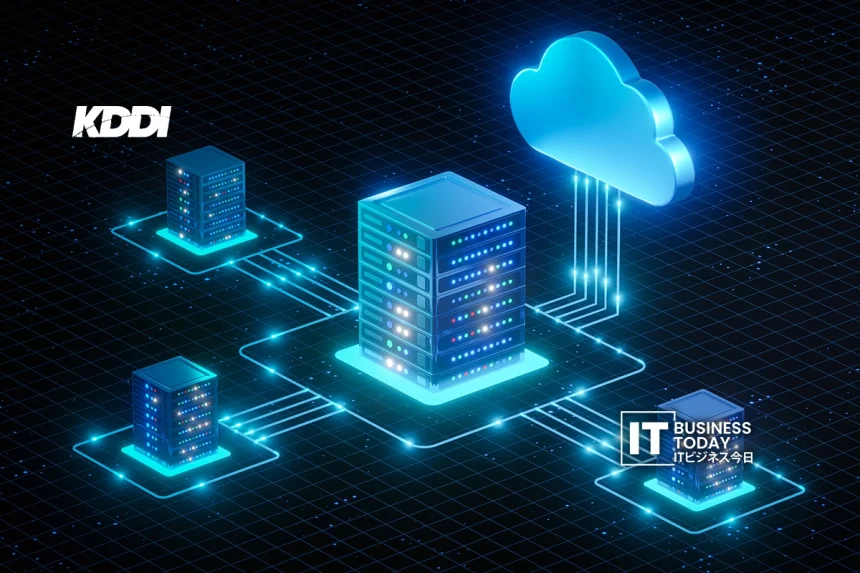
On December 19, KDDI announced a big update to its KDDI Cloud Platform Service (KCPS). This is a key step for Japan’s cloud and network infrastructure. The updated KCPS aims to boost closed network connections. It also offers more virtual server options. This prepares Japan for secure, large-scale AI workloads.
Japanese companies are rethinking their cloud strategies, and the announcement comes as a key signal. They face rising cybersecurity risks. There’s more scrutiny on data sovereignty. They also need AI-ready infrastructure. KDDI is making KCPS a key platform for important enterprise systems. They are boosting network control and performance. Also, they are adding future GPU cloud services.
What’s New in the Renewed KCPS
The KCPS renewal focuses on a stronger closed network connection feature. Connecting KCPS to KDDI’s Multi-Cloud Gateway allows customers to add or remove network connections easily. They can also adjust bandwidth whenever they need. This flexibility helps businesses quickly adjust to shifts in workload or traffic. They can do this without risking security.

Communication performance has also been significantly upgraded. The updated KCPS guarantees bandwidth of up to 10 Gbps. This ensures stable and reliable communication quality. In industries like finance, manufacturing, healthcare, and logistics, latency, throughput, and reliability are crucial. This is a big upgrade from regular public cloud connections.
Also Read: Rakus Pushes Assist AI from Suggestions to Real System Builds in Raku Raku Hanbai
On the compute side, KDDI has expanded its virtual server lineup. High-spec server models now come with up to 32 vCPUs and 512 GB of RAM. There are also two other options: a budget-friendly type and a balanced standard type. This tiered approach lets customers align their infrastructure choices with their application needs and budgets.
KCPS has also enhanced its optional services. Storage performance is better now. New Platform-as-a-Service (PaaS) features are also added. This helps businesses cut costs and speed up app development and deployment.
Preparing for AI at Scale with KDDI GPU Cloud
KDDI will launch “KDDI GPU Cloud” at its Osaka Sakai Data Center in April 2026. This is a key part of their strategy. This service will use NVIDIA’s GB200 NVL72. It’s a new GPU platform made for big AI training and inference.
KCPS will link to KDDI GPU Cloud through a closed network. This setup keeps data safe during preprocessing, transfer, and storage for AI tasks. This setup allows companies to keep sensitive data entirely in Japan. They can still use strong AI computing resources. This is crucial for regulated industries and for anyone dealing with proprietary or personal data.
KDDI highlights that this approach boosts cybersecurity. It also ensures safe data use. This helps tackle issues like data leakage, cross-border transfers, and outside threats.
Impact on Japan’s Tech Industry
Strengthening Domestic Cloud and Network Competitiveness
Japan’s cloud market has long been dominated by global hyperscalers. The KCPS renewal shows how local providers can stand out. They use telecom-grade networks, closed connectivity, and local data centers to do this. This shows how strong cloud ecosystems in Japan are in the tech industry. They focus on reliability, compliance, and security.
Accelerating Secure AI Adoption
AI is changing the way we work. We need secure infrastructure to handle large datasets. KCPS connects with a local GPU cloud. This helps Japanese companies use AI more easily. They can do this without depending solely on foreign platforms.
This could speed up AI development in areas like:
- Manufacturing optimization
- Financial analytics
- Smart infrastructure
- Healthcare research
Boosting Network-Centric Cloud Innovation
KDDI is showing the rising importance of network-aware cloud design. They connect cloud services with advanced networking. This method could influence how Japanese tech firms develop services in the future. It could ignite new ideas in cloud computing, edge networks, and AI infrastructure.
Implications for Businesses Operating in Japan
Improved Reliability for Mission-Critical Systems
Enterprises using core systems, ERP platforms, transaction processing, industrial control, or large data analytics benefit from enhanced bandwidth guarantees. This means more predictability and less risk of service disruptions from closed network connections. This can translate directly into improved operational resilience and customer trust.
Greater Control Over Data and Compliance
Many Japanese businesses must follow strict rules for data localization and security. KCPS’s infrastructure and closed network model in Japan help meet compliance needs. This setup also allows for cloud scalability benefits. This is crucial for banks, government groups, and companies with special rules.
Flexible Infrastructure for Growth and Innovation
New server options and added services help organizations grow their infrastructure as they expand. Startups and mid-sized firms can begin with cost-effective setups. Larger companies can use high-spec servers for heavy workloads. All of this can happen on one platform.
Conclusion
KDDI’s renewal of KCPS represents more than a routine cloud upgrade. It shows a strategic shift to secure, high-performance, and AI-ready cloud infrastructure. This is based on strong domestic networks.
KDDI is tackling key challenges for Japanese businesses by:
- Strengthening closed network connections
- Expanding compute options
- Preparing for GPU-powered AI services
This move boosts Japan’s tech industry. It shows how important local providers are. They will help shape the future of cloud and AI platforms. It gives businesses a way to confidently adopt advanced digital and AI technologies. Focusing on security, performance, and regulatory compliance is key for sustainable growth in today’s data-driven economy.


 English