 English





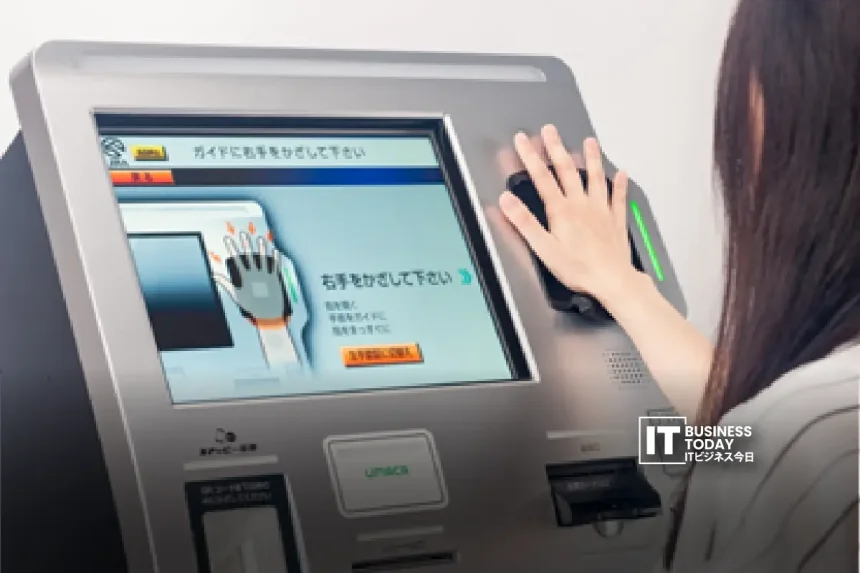
目まぐるしく変化するデジタル環境において、安全な認証こそが鍵となる。日本のテクノロジー業界では、画期的な技術である掌静脈認証が注目を集めている。高いセキュリティと使いやすさを兼ね備えており、誰にとっても最適な選択肢だ。 厳しい日本市場でビジネスを率いるリーダーたちは、この技術の可能性を認識しなければならない。これは単なる選択肢ではないのだ。.
バイオメトリクス認証の進化
生体認証は、パスワードやPINコードが主流だった時代から大きく進歩した。指紋や顔認証は今日ではよく取り上げられる話題だが、これらは欠点もある。指紋は、高度な素材を使えば複製が可能だ。顔認証システムは、照明条件によって精度が低下することがある。また、高齢者の認識が困難な場合もある。 そこで登場するのが、手のひらの静脈認証技術だ。この方法は、人の手のひらにある固有の血管パターンを利用する。これらのパターンは、複製や偽造が非常に難しい。.

富士通などの日本の大手テクノロジー企業が、この技術を開発した。この技術は近赤外光を用いて、皮膚の下の詳細な静脈網を捉えるものだ。静脈パターンは他の生体認証マーカーとは異なる。生涯を通じて変化しない。これにより、他のシステムでは実現できないレベルの信頼性と永続性が得られる。 金融、医療、行政などの業界において、セキュリティ侵害は壊滅的な事態を招きかねない。この革新技術は、業界の常識を一変させるものだ。.
こちらもお読みください: 人工知能とメンタルヘルス、技術で癒せるか?
パーム静脈のイノベーションで日本がリードする理由
日本が掌静脈認証技術で主導的な立場にあるのは偶然ではない。同国の文化的価値観と技術力の融合が、この技術の導入に最適な環境を作り出しているのだ。 プライバシーを重視する消費者や企業は、物理的な接触を減らす方法を模索している。この傾向はパンデミックの間にさらに強まった。手のひらの静脈認証は、この考え方にぴったり合致する。非接触での認証が可能であり、衛生面への懸念を軽減し、セキュリティを向上させる。.
さらに、日本の人口の高齢化は、従来の生体認証システムにとって特有の課題をもたらしている。高齢者は指紋が薄くなったり、顔立ちが変わったりすることが多い。そのため、従来の方法では効果が低下してしまう。 手のひらの静脈認証技術はこうした問題を回避し、あらゆる層の人々が利用できるようにしている。この包括性により、銀行業務から高齢者介護に至るまで、多くの分野で導入が進んでいる。その結果、日本は現在、生体認証技術の革新において世界をリードする存在となっている。.
銀行から医療まで、実世界での応用例
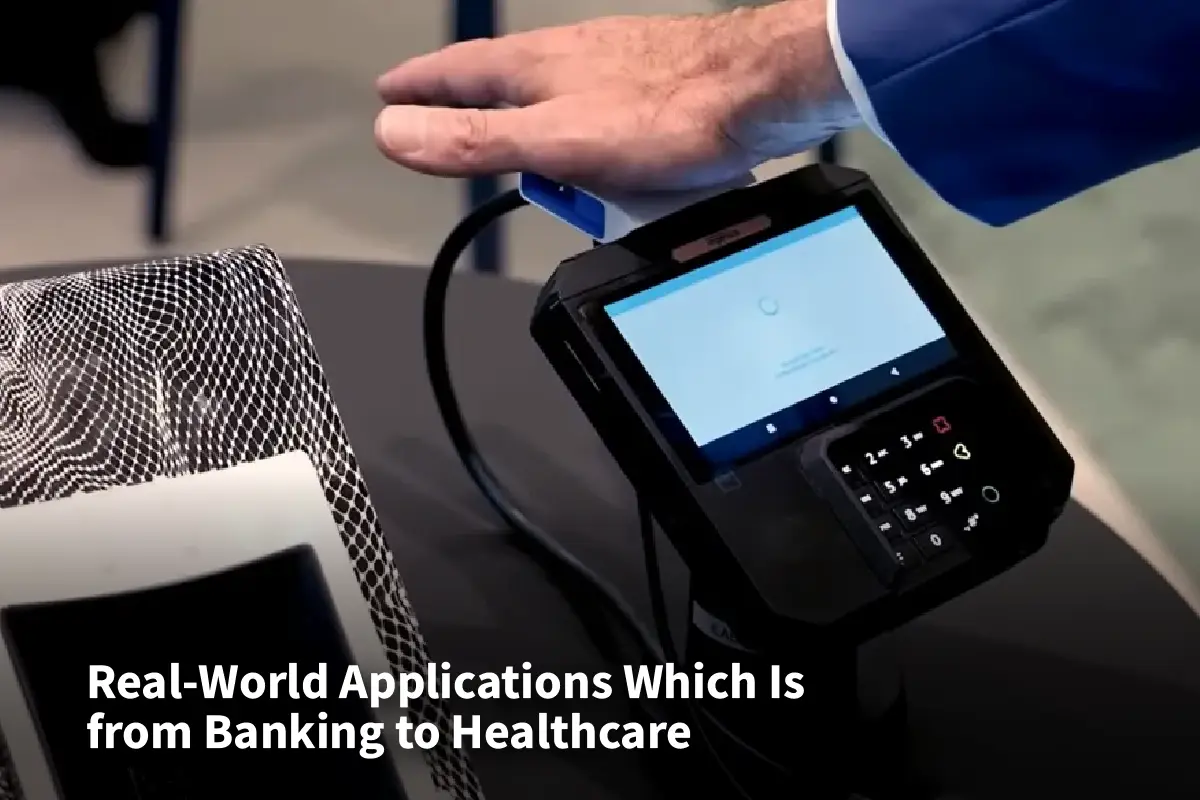
手のひら静脈認証技術の多用途性は、その多様な用途を見れば明らかです。日本では、三菱東京UFJ銀行のような大手銀行がATMでこの技術を使用しています。現在、顧客は手を振るだけで取引を承認することができます。オペレーションが合理化され、不正の発生率も削減されます。これは、セキュリティー侵害で毎年何十億もの犠牲者を出している業界では重要なことです。2006年現在 bank 2006年度中に1,000台以上の手のひら静脈認証ATMを設置する予定です。
医療分野もまた、この技術が活躍している分野の一つだ。東京大学病院では、患者記録の安全性を確保するために手のひらの静脈スキャンを採用している。看護師や医師は機密データに安全にアクセスできる。これにより、権限のない者のアクセスを遮断し、日本の厳格な個人情報保護法に準拠している。2005年には、 University of Tokyo Hospital 富士通の手のひらの静脈認証技術を、部屋の入室セキュリティに世界で初めて導入した。.
日本の教育分野でさえ、この潮流を取り入れている。早稲田大学では、学生証に手のひらの静脈認証システムを採用している。これにより、試験中のなりすましを防ぐことができる。セキュリティと効率性を両立させたこの取り組みは、この技術がいかに適応性が高いかを示している。この特長は、拡張性のあるソリューションを求めるリーダーたちにとって魅力的だ。.
課題の克服
その将来性にもかかわらず、手のひら静脈技術はハードルに直面しています。生体認証データの保存を疑う人はまだ多いのです。特に、過剰な監視を恐れる社会ではそうです。企業は、暗号化プロトコルと分散型データストレージを強調し、これらの懸念に透明性を持って対処する必要があります。例えば富士通は、静脈パターンが暗号化されたテンプレートに変わることを保証しています。つまり、生データは保存も共有もされません。
もう一つの障壁はコストです。手のひら静脈システムの導入には、特別なハードウェアとソフトウェアへの初期投資が必要です。これは中小企業にとっては厳しいものです。センサーのコストが下がり、技術導入に対する政府のインセンティブがこの負担を軽減しています。技術プロバイダーと企業は協力して、技術をより利用しやすくすることができます。これは、中小企業(SME)もそれを使用するのに役立ちます。
レガシーシステムとの統合も同様に重要です。多くの日本企業は、最新のバイオメトリック・ソリューションと互換性のない時代遅れのインフラに依存しています。徐々にアップグレードし、ミドルウェアを使用して新旧のシステムをリンクさせることが、スマートな進歩の方法です。日本の地方銀行は手のひら静脈ATMを追加しました。サービスを中断することなくです。これは、変化がスムーズに起こりうることを示しています。
手のひらの静脈認証技術と日本のデジタル戦略
日本が掲げる「社会5.0」のビジョンは、高度にネットワーク化され、人間中心のデジタル社会だ。これは、手のひらの静脈認証などの技術に支えられている。スマートシティの取り組みは、全国で急速に進んでいる。公共交通機関や住宅、店舗などで、こうした技術が活用されていることに気づくだろう。通勤者は、手のひらのスキャンで電車に乗車できるようになるかもしれない。 住民は鍵を使わずにスマートホームに入ることができるかもしれない。こうしたアイデアは、福岡などの都市ですでに実証されている。.
世界的に見れば、日本の成功は他国にとっての手本となっている。ブラジルの銀行やドバイの入国審査場でこの技術が活用されていることは、その世界的な魅力を示している。世界的な需要は、日本企業に新たな輸出の機会をもたらしている。これにより、日本は安全な生体認証ソリューションの分野で主導的な立場を築いている。.
ビジネスリーダーのための戦略的留意点
手のひら静脈技術の導入を検討しているエグゼクティブにとって、いくつかの実用的な洞察が浮かび上がります。まず、セキュリティと衛生が交差する分野(医療、金融、接客業)を優先すること。次に、従業員と顧客に対する教育に注力します。これにより、技術に関する混乱を解消し、信頼を築くことができます。第三に、現地の技術プロバイダーと協力し、規制の状況や文化的なニュアンスを調整することです。
手のひら静脈認証は、単なる独立したソリューションではなく、より大規模なセキュリティシステムの一部として捉えてください。ブロックチェーンと組み合わせることでデータの完全性を確保。異常検知にAIを活用すれば、その効果はさらに高まります。日立やその他の企業は、これらの相乗効果を追求しています。統合されたイノベーションがいかに強力なものであるかを示しています。
安全で包括的な未来は今日から
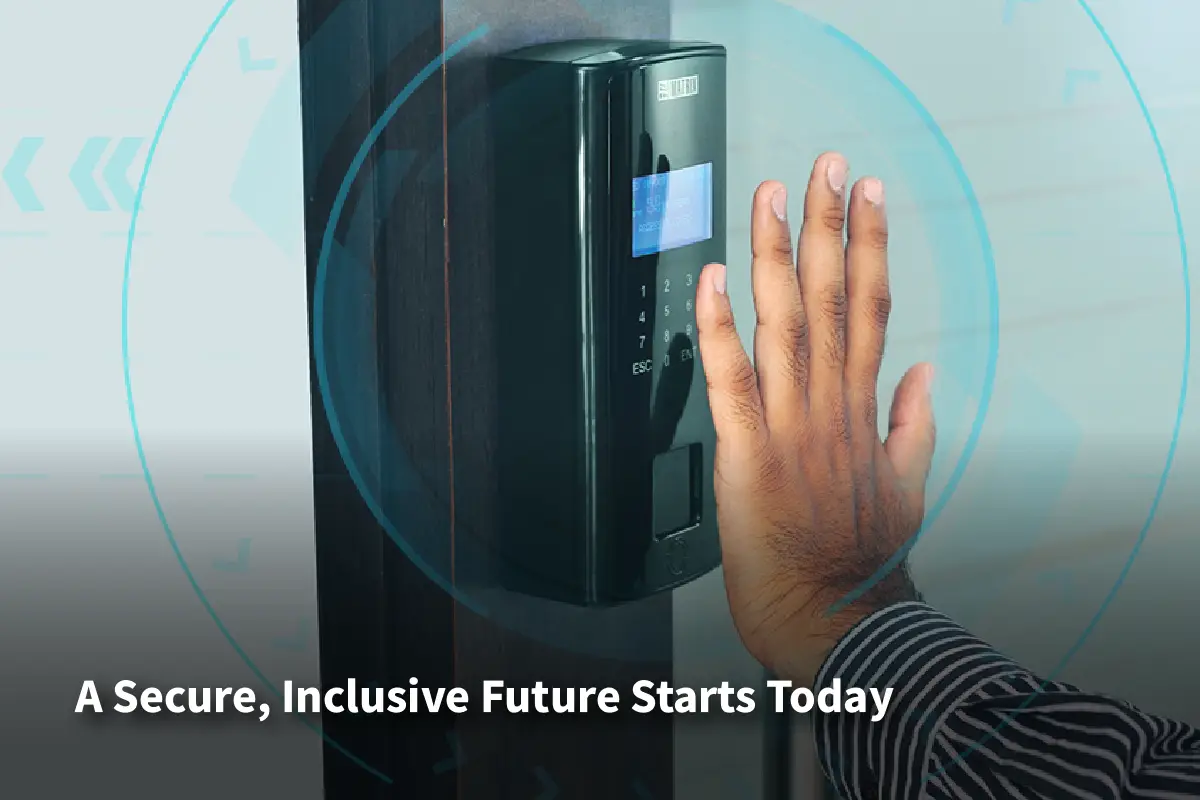
日本の掌静脈認証技術は、単なる技術の驚異にとどまらない。それは、同国がいかにイノベーションと社会のニーズを融合させているかを示している。 ビジネスリーダーたちは、この技術を取り入れることが不可欠だという明確なメッセージに直面している。それは単に競合他社に打ち勝つことだけではない。セキュリティと利便性がうまく調和した未来を築くことなのだ。日本の掌静脈認証技術は、サイバー脅威の高まりに直面する業界に解決策を提供する。パスワードではなく、一人ひとりの手の独自の模様によって信頼を築くのだ。.
結局のところ、重要なのは、手のひらの静脈認証技術が認証のあり方を変えるかどうかではない。組織がどれほど迅速にこの技術を取り入れられるかという点だ。先頭に立つ準備ができている者にとって、未来はすでに手の届くところにある。.


 日本語
日本語