 English


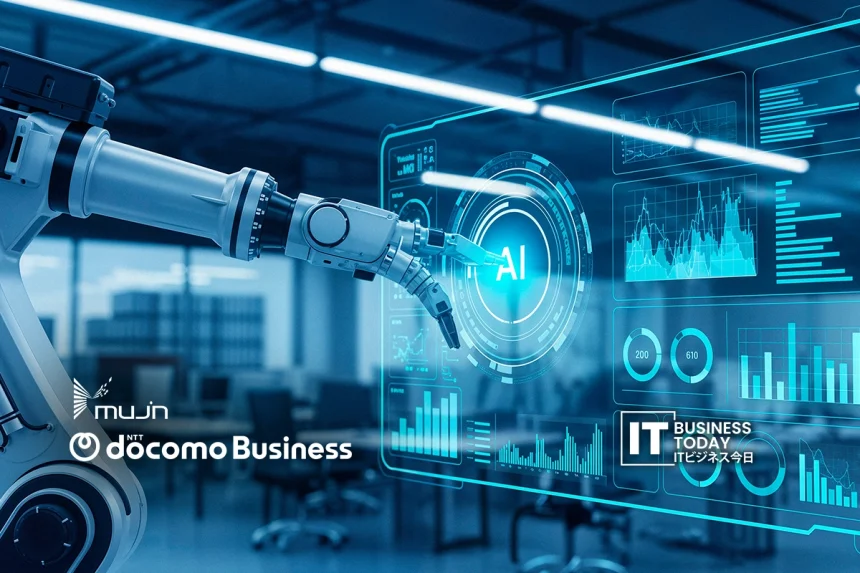
NTTドコモビジネスとその親会社であるNTTは、Mujinと提携しました。無尽はフィジカルAI技術とデジタルツインオートメーションのリーダー。NTTはその強みを無尽と融合させます。これは、NTTが高度なネットワーク、クラウド、AI、統合インフラを提供することを意味します。無尽は、革新的なロボット制御プラットフォーム「MujinOS」を共有します。また、ロボットの自動化に関する専門知識も提供します。両社は、柔軟で安全な自律型ロボットシステムを構築します。これにより、物流や製造業などが変わるでしょう。.
日本が進める “スマート・オートメーション”。一流の通信、AIシステム、ロボット工学を融合。この融合は重要な問題に対処するものです。労働力不足、サプライチェーンの圧力、効率化の必要性に焦点を当てています。.
パートナーシップの内容テレコム、クラウド、ロボティクスの融合
NTTグループと無尽が強力な提携を結びました。NTTグループはこの提携を通じて、一流のICTインフラを提供します。安全なクラウドサービス、NaaS(Network-as-a-Service)、AI対応プラットフォームを提供します。Mujinはロボット・インテリジェンスに関する専門知識を共有します。MujinOSによる倉庫や工場の自動化に注力しています。.

こちらもお読みください: 無尽、シリーズDで364億円の資金調達
MujinOSはロボット工学を簡素化します。様々なロボット、センサー、システムを1つの制御レイヤーで接続します。これにより、複雑なカスタム統合が不要になります。そのため、企業が自動化を導入する際の障壁を低くすることができます。.
両社は、相乗効果により、倉庫の仕分けやロジスティクスから、潜在的にはより広範な産業やサービスセクターのオートメーションまでをサポートする「物理的AI+ロボティクス+ネットワーク+クラウド」ソリューションを、より迅速、より安全、よりスケーラブルに展開することができると述べています。.
なぜ重要なのか - 日本で高まる柔軟なオートメーションへのニーズ
労働力不足への対応と供給の変化-チェーン・ニーズ
日本は深刻な労働力不足に陥っています。その原因は高齢化と労働力人口の減少。Eコマースの出荷が急増し、多様な商品が出回るようになったことも大きな課題です。それに対応するためには、迅速で柔軟な生産も必要です。.
従来のロボットは特定のタスクのために設定されています。このようなロボットは、今日の需要に対応するのに苦労しています。頻繁な商品の入れ替え、倉庫レイアウトの変更、さまざまなピック&パック作業などです。対照的に、先進的な「フィジカルAI」ロボットは、知覚、推論、適応が可能です。これにより、柔軟で多品種少量の自動化が可能になり、物流と製造の現代的な性質により適合します。.
中小企業および中堅企業の自動化への障壁を低減
MujinOSは統合の複雑さを軽減し、NTTはモジュラーネットワーク/クラウドインフラストラクチャを提供するため、中小企業でも法外な初期費用をかけずに高度なロボット自動化を導入することができます。この民主化により、大手メーカーを超えた自動化の波が、日本中の3PL企業、地方倉庫、小規模工場、流通業者に恩恵をもたらすかもしれません。.
新しい産業エコシステムの構築 - ロボティクス、AI、テレコムの融合
新時代の到来。ロボット、AI、クラウド、通信が融合。企業が「ロボット+クラウド+AI+ネットワーク」の統合ソリューションを採用するにつれ、専門家の需要は急増するでしょう。システム・インテグレーター、セキュリティの専門家、データ・インフラ・プロバイダー、メンテナンス・サービス、特定のロボット・アプリケーションの開発者などが必要になるでしょう。日本のハイテク業界にとって、これは「サービスとしてのロボット・オートメーション」にまつわる全く新しいエコシステムを意味するかもしれません。“
生産性、安全性、回復力の向上
自動化されたAI駆動のロボットは、反復的な作業や危険な作業における人手への依存を軽減します。これにより、職場の安全性と安定した生産性が向上します。オンボードのデジタルツインシミュレーションとリアルタイム制御により、企業はオペレーションを拡大し、変化する生産ニーズに迅速に対応し、不安定なグローバル供給環境での成功に不可欠な効率性を得ることができます。.
課題と注目点
レガシーシステムとの統合 多くの中小企業は、古い倉庫や工場のシステムをいまだに使用しています。ロボットAI/クラウド・ソリューションに移行するには、インフラへの投資が必要になるかもしれません。また、スタッフの再教育や変更管理が必要になるかもしれません。.
安全、コンプライアンス、規制:ロボットの自律化が進む中、安全確保が重要。労働安全法を守ることが重要。特に人とロボットが共有する空間では、安全なネットワーク通信が鍵となります。.
初期費用とROIの比較: 統合の複雑さが軽減される一方で、ロボット工学の導入にはある程度の先行投資が必要です。企業、特に薄利多売の中小企業は、ROI要因を慎重に検討する必要があります。.
データ/ネットワーク・インフラ需要:リアルタイムセンサー、クラウド接続、ロボット制御の組み合わせでは、堅牢、低遅延、セキュアなネットワークが要求されるため、ICTインフラは重要な成功要因の1つです。.
日本のテクノロジー産業への戦略的示唆
この提携は、日本の産業発展における新時代の幕開けとなるかもしれません。それは、製造業や物流における漸進的な改善ではなく、自律的で柔軟性のある、AI主導の自動化へと産業全体を幅広くシフトしていくことでしょう。.
クラウドサービス、セキュリティソリューション、統合プラットフォーム、センサーハードウェア、AIベースの制御ソフトウェアを提供する企業には、ますます多くのビジネスチャンスがもたらされるでしょう。ロボティクス企業や新興企業は、中小企業や地域のプレーヤーなど、より広い市場に参入する可能性があります。.
さらに NTT‘特に、労働力不足やサプライチェーンの問題に直面している国々にとっては、強力な輸出モデルになる可能性があります。.
結論自律的な自動化社会に向けて
との同盟 NTTドコモ事業 そして ムジン それは、労働力不足、ロジスティクスの複雑さ、製造業の停滞など、日本が抱える深刻な構造的課題に対処するための青写真なのです。.
ロボット+AI+クラウド+ネットワーク」のソリューションが広く採用されれば、生産性、耐障害性、適応性を向上させることで、倉庫、工場、サプライチェーンを変革できる可能性があります。日本のハイテク業界にとっては、ロボット制御システムからクラウドインフラ、セキュリティ、統合サービスなど、新たな需要の波が押し寄せることになるでしょう。急速な変化の時代におけるこの協力関係は、インテリジェント、コネクテッド、自律型という、産業オートメーションの未来に期待されるビジョンを示しています。.


 日本語
日本語