 English





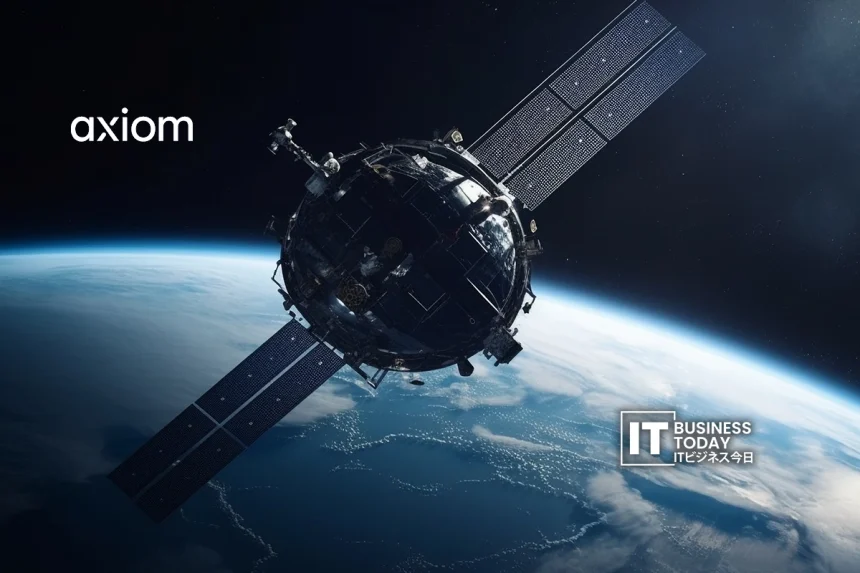
商業宇宙と航空宇宙産業に関する大きな進展として、米国に本社を置くアクシオム・スペース社は、宇宙から地球への貨物輸送の道筋を作るために、日本の新興企業との協力協定に調印しました。契約の詳細な全条件はまだ公表されていませんが、この動きは、日経アジアによる「アクシオムと日本の新興企業、宇宙から地球に貨物を届けるために提携」という投稿で示唆されています。
ニュースの意味するもの
この取引の本質は、すでに商業的な地球低軌道インフラストラクチャのプレーヤーであるアクシオムが、現在、軌道から地表への配送という「地球への帰還」ロジスティクス・チェーンにアクセスするために日本の産業界と提携しているということです。宇宙への物資輸送は今やおなじみのテーマですが、その逆の経路、つまり宇宙からの資産、資材、商品の定期的で信頼できる商業的な帰還はまだ始まったばかりです。今回の協力は、日本がその帰還のための本格的なプレーヤーになることを意図していることを示すものです。.
テクノロジー・ブロガーから見れば、これは物流における地球-宇宙-地球のサプライチェーンにおける新たなフロンティアの幕開けであり、新たなビジネスモデルのプラットフォームなのです。.

こちらもお読みください: 日本、最新の貨物ミッションで宇宙技術への意欲を強化
日本のハイテク産業への影響
以下は、日本のテック・エコシステムにとっての主な影響です:
工業・製造業の機会
日本企業は精密製造、材料、航空宇宙サブシステム、ロボット工学の分野で有利な立場にあります。この種の協力は、推進力から再突入システム、熱遮蔽からリモートセンシングや制御に至るまで、日本のハードウェアプロバイダーが契約機会を獲得し、国内のサプライチェーンを刺激する可能性があることを意味します。
商業宇宙サービスのエコシステム
これまで日本は、JAXAを通じた政府主導の宇宙活動に重点を置いてきました。しかし今回の合意は、民間スタートアップ、サービスモデル、LEOからの帰還貨物、新しいロジスティクスのパラダイムなど、商業化への方向性を示しています。日本における民間宇宙エコシステムの成長は加速するでしょう。
新しいビジネスモデル"宇宙ロジスティクス"
宇宙から地球へ」の貨物モデルは、実験結果の回収、宇宙での製造と地球への帰還、高価値または一刻を争うペイロードを軌道に打ち上げ、帰還させるといった新しいサービスを提供します。日本企業は、微小重力下での材料加工、医薬品や新薬の製造、衛星への帰還サービスなど、これらの新しいモデルに参加することができます。.
国際競争力と輸出機会
日本の技術輸出企業にとって、これはブランディングとリファレンスの機会となります。日本の部品やシステムが注目度の高い国際的な宇宙貨物リターンミッションに使用されれば、それは世界的なショーケースとなります。もし日本の部品やシステムが注目される国際的な宇宙貨物リターンミッションに使用されれば、それは世界的なショーケースとなります。.
同業他社への影響
航空宇宙、サプライチェーン・ロジスティクス、材料科学、ロボット工学、宇宙技術に関連するサービスに携わる企業は、以下の点に留意する必要があります。
サプライチェーンの準備:熱制御、アビオニクス、自律再突入、データ・ダウンリンク、回収システムなど、各社のコンポーネント技術がこの新しいバリュー・チェーンにどのように組み入れられるかを検討する必要があります。早い者勝ち。.
サービス志向:ビジネスモデルは、単なるハードウェアの販売から、「サービスとしての宇宙貨物」、「サービスとしての再突入回収」、あるいは「微小重力製造+地球帰還」へと移行するでしょう。製品のみのモデルではなく、サービスモデルの方向性を導入する企業は、より多くの価値を獲得できるでしょう。
規制と認証 軌道から物資を帰還させることは、打ち上げのみよりも一般的ではありません。企業は規制制度、安全・環境審査、再突入ゾーニング、ライセンス回収、保険、賠償責任などを考慮しなければなりません。日本企業は、アクシオム社のような経験豊富な国際企業と提携し、この問題に対処することになるでしょう。
データと分析バリューチェーンは、ペイロードの状態、再突入の力学、回収作業などのデータを生成します。企業は分析、予測モデル、サプライチェーンダッシュボードを構築し、それを差別化要因として利用することができます。.
市場のタイミングと規模:このニュースは成長を示していますが、規模拡大にはまだ時間がかかります。企業はすぐに大量の利益を期待するのではなく、中期的な立ち上げを計画すべきです。エコシステムが成熟するにつれて、現在の投資が将来的に利益を生むかもしれません。
なぜこれがより広い技術的文脈で重要なのか
これは、「打ち上げと軌道」から「軌道上でのサービス+地球への帰還」へと移行しつつある、より広範な商業宇宙セクターにとってタイムリーな展開です。より多くのセンサー、実験、製造、その他の軌道資産が開発される中、単に打ち上げるだけでなく、価値を持ち帰る能力が差別化要因となるでしょう。日本は Axiom, 宇宙ロジスティクス」のコンセプトは、微小重力下での船内製造、先端材料、遠隔サービス、高速データ・リターン、さらには一刻を争うペイロードの回収など、技術産業にとって新たな垂直統合を可能にします。宇宙ロジスティクス」のコンセプトは、技術産業にとって世界的に新たな垂直領域を切り開くものです。船上での製造、微小重力下での高度な材料、遠隔サービス、高速データリターン、さらには一刻を争うペイロードの回収。ロボット工学、自動化、材料、AI、データなどの分野で事業を展開するハイテク企業は、宇宙で新たなビジネスチャンスを見出すことができるでしょう。したがって、日本のハイテク企業は、今行動すれば「プレミアム領域」を占有することができるのです。.
最終的な収穫
この契約は、日本の宇宙産業関係者にとって戦略的な転換点です:日本は打上げに参加するだけでなく、軌道から地球への新たなロジスティクス・チェーンに参加することになります。技術産業にとっては、ハードウェア、サービス、サプライチェーン、新たなビジネスモデル、国際的な位置づけなど多岐にわたります。航空宇宙、素材、ロボット工学、遠隔サービスを事業とする企業、またはそれに関連する企業にとって、これは「宇宙へ行く」経済だけでなく、「宇宙から帰還する」経済を中心とした戦略を方向付けるための初期のシグナルです。.


 日本語
日本語