 English






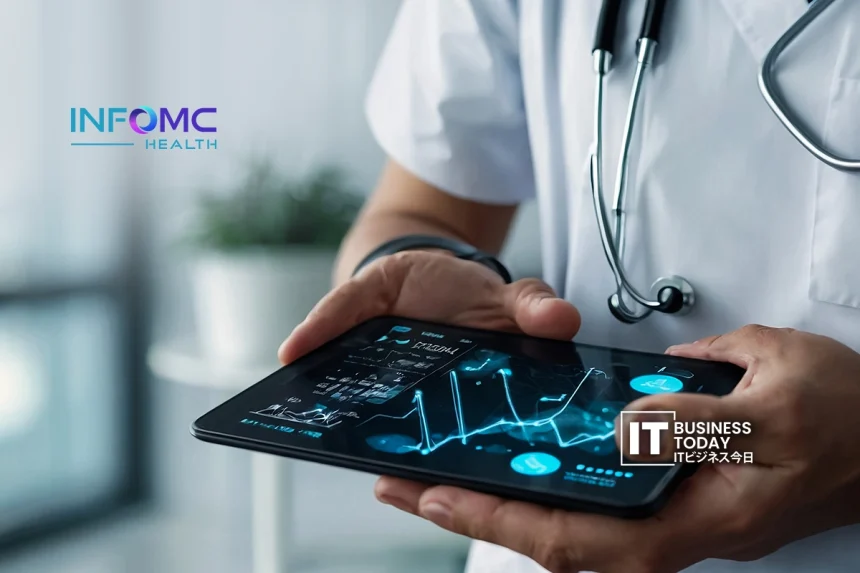
Artificial intelligence is becoming an important part of healthcare technology. This is especially true in areas where administrative complexity can slow down patient services. In a development InfoMC has announced its rebrand to InfoMC Health. Alongside this change the company introduced incedo8, an AI-assisted enterprise platform. This platform is designed to improve healthcare operations, automate administrative processes and strengthen care coordination.
The announcement came on November 11 2026. It marks a phase for the US-based healthcare technology company. The company has than 30 years of experience supporting health plans, healthcare providers and public-sector healthcare programs. The announcement highlights a broader industry shift. This shift is toward automation and connected healthcare systems. It also shows implications, for Japans growing digital health market.
InfoMC Health Introduces incedo8 With AI-Assisted Automation
I recently heard about the rebrand from InfoMC to InfoMC Health. It shows that InfoMC is growing its health technology skills. InfoMC started in health but now InfoMC has built tools that help with physical, mental and social health for many kinds of patients.

InfoMC has just launched the incedo8 platform, a version of the incedo system. InfoMC says the platform mixes intelligence, machine learning, modern software design and new workflows to help health organizations solve their day‑to‑day problems.
The first part of the release focuses on utilization management, a process where health organizations look at service requests and decide if the treatments fit the rules for coverage and medical standards.
A big feature of the platform is AI‑assisted authorization approval. Machine learning looks at authorization patterns and picks out requests that might get automatic approval if they meet customer‑set confidence limits. Requests that need thought go to the right health professionals for a review.
InfoMC wants this approach to cut down on admin work while still keeping professional judgment for important decisions.
The platform also has an API‑first micro‑services design that supports FHIR and X12 data exchange. Custom data formats. InfoMC built it so health organizations can pick and use parts of it as they become ready.
InfoMC Health plans to add care management and claims management features in later releases. InfoMC’s current incedo platform already helps than 30 million members, in different health programs.
Why AI-Powered Healthcare Management Matters for Japan
I see that the announcement comes at a time when Japan is speeding up its healthcare transformation. Japan faces a population, higher demands for health care and pressure on medical resources. These problems make Japan need ways to run health care administration.
I think Japan’s health care system is also working to improve how well medical institutions, insurers and other health care organizations talk to each other.
I notice that the Japanese government is pushing forward with its Medical DX strategy. This strategy uses cloud‑based infrastructure, standard electronic medical records and a nationwide system that shares health care information. The October 2026 health care information policy from the government also stresses digital connectivity and the effective use of medical data.
I see that platforms like incedo8 show how AI‑assisted administrative systems might help Japan reach its digital health care goals.
I think automating approval reviews and making information exchange easier can lower the work load for health care workers and operation teams. This lets them focus on tasks.
I notice that even though InfoMC Health has not announced a launch in Japan its method gives an example, for Japanese health care technology developers who are looking at similar solutions.
Opportunities for Japan’s HealthTech and AI Industry
The introduction of incedo8 could influence how Japanese technology businesses approach healthcare automation.
Local software developers, AI companies and medical technology providers have opportunities to develop platforms that connect insurance administration, patient records, care management and clinical workflows.
The adoption of interoperability standards such as FHIR is particularly relevant. Systems that can exchange information efficiently are increasingly important as Japan works toward connected healthcare infrastructure.
For HealthTech companies this creates opportunities to build specialized AI solutions that integrate with existing hospital information systems rather than requiring healthcare organizations to replace their entire technology infrastructure.
There is also potential for collaboration, between established healthcare providers, technology startups and research institutions. Such partnerships could accelerate the development of AI tools tailored to Japans healthcare regulations, language requirements and clinical practices.
Business Implications: Efficiency, Competition, and New Revenue Opportunities
For healthcare businesses using intelligence to help with utilization management could bring clear improvements in how things are run.
Health insurers and people who manage healthcare often deal with a lot of requests for authorizations, papers and approvals. If some of these tasks are automated it could make things faster cut down on work and make sure things are done the same way every time in the office.
Companies that make technology tools could also gain from people wanting platforms that can be changed easily and work well with the cloud and that can handle different health programs.
Putting artificial intelligence into healthcare administration will need more than just good technology. Companies need to think about keeping information safe making sure systems are secure being clear about how decisions are made making sure the system works properly and being responsible for the choices that are made automatically.
For companies in Japan making sure these technologies fit what is needed in Japans healthcare system will be very important. Artificial intelligence tools need to have checks by professionals and need to work inside Japans rules, for protecting data and managing health information.
Competition is expected to grow as companies that make healthcare software move past just keeping records and start using ways to handle work.
The Future of AI-Driven Healthcare Technology
InfoMC Health has introduced a product called incedo8. This shows that there is a change happening in the healthcare software used by large companies. Of just turning old ways of doing things into digital versions the industry is starting to look for ways to use artificial intelligence. The goal is to make the work that happens behind the scenes in healthcare more fast and better.
In Japan this change is another example of how artificial intelligence and software that can work together can help modernize healthcare.
こちらもお読みください: フローラとユーウェルが提携協定を通じて手を組む
As the country moves forward with its Medical DX strategy more people will want software that connects parts of the system systems that can handle tasks automatically and tools that help manage health care in a smart way. This could create chances for companies that make technology.
The future of these tools will depend on whether they can help make things better in a way. They also need to keep things make sure the right people are responsible and keep people trusting them.
In the end moving toward using intelligence in managing health care could change how doctors, insurance companies and technology companies work together. This could make smart automation an important part of the health care technology industry, around the world.

 日本語