 English





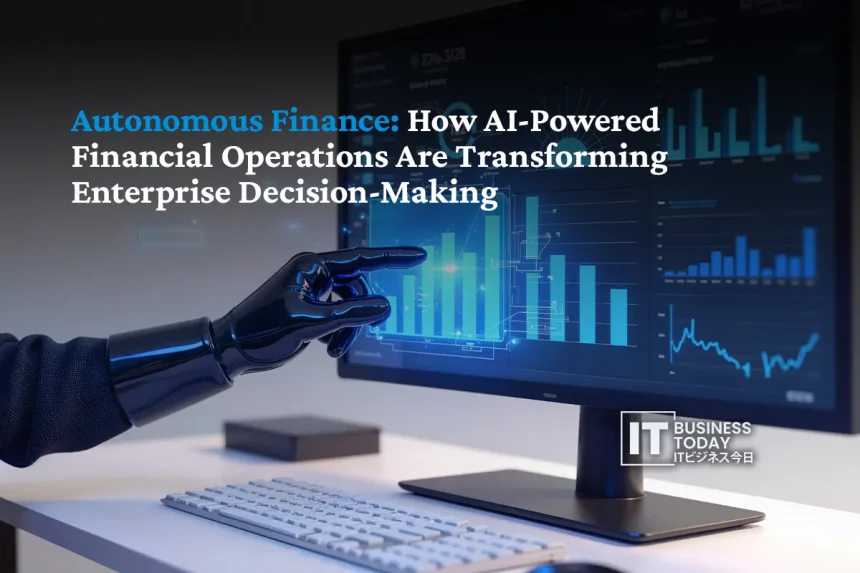
長年にわたり、財務部門は「すでに起こったこと」を説明することには非常に長けてきました。四半期の決算が締め切られ、数値がまとまり、差異が分析され、やがて誰かが「次に何をすべきか」と問う――といった流れでした。しかし、企業に対してより迅速な対応や、より多くの情報を踏まえた意思決定が求められるようになった今、こうしたモデルを維持することはますます困難になってきています。.
自律型ファイナンスとは、財務情報を理解し、定義された目標に基づいて推論を行い、人間の介入を最小限に抑えながら行動を実行または提案できる、AIを活用したシステムの利用を指します。これにより、システムが文脈を解釈し、例外を管理し、連携したワークフロー全体にわたって意思決定を支援できるようになるため、ファイナンスは従来の固定的な自動化の枠を超えたものとなります。.

それは、CFOの仕事をアルゴリズムに任せるという意味ではありません。より興味深い変化は、CFOを取り巻く状況に現れています。予測はよりダイナミックになり、リスクはより早期に発見できるようになります。定型的な意思決定は、スプレッドシートによる再確認を待つことなく進められるようになります。財務部門は、過去を振り返ることに費やす時間を減らし、今後の展開を形作ることに注力するようになっていきます。.
自動化された金融と自律的な金融
 RPAは、財務部門において、反復的な業務のすべてに人が常駐する必要はないことを実証した点で、重要な一歩となりました。.
ボットは、システム間でデータを転送したり、条件が満たされているかを確認したり、ワークフローを起動したり、アラートを送信したりすることができました。そのロジックは単純明快でした。「これが起これば、あれを行う」。もしルールに当てはまらない場合は、処理を停止して担当者に確認を求める、というものでした。.
財務プロセスが予測可能だった頃は、その方法はうまく機能していました。問題は、財務業務がそれほど整然としていることはめったにないということです。.
仕入先からの請求書は、発注書と一致していても、不審に思われることがあります。支払いが承認された限度額の範囲内であっても、顧客の通常の支払いパターンとは大きく異なる場合があります。予測は数学的には正しくても、事業全体で起きている実情を見落としていることがあります。.
ここで、自律型金融のあり方が一変し始めます。.
について IMF エージェント型AIとは、目標を解釈し、多段階の行動を計画し、人間の介入を最小限に抑えながらデジタルサービスとやり取りできるシステムであると説明されています。これにより、基本的なモデルが変わります。システムはもはや、あらかじめ定義された指示を次々と待つだけのものではありません。より広範な目標に基づいて動作し、許容される範囲内で次に何を行うべきかを決定することができるのです。.
| 特徴 | RPA | 自律型AI |
| 論理 | 定められた規則 | 背景と理由 |
| データ | 概ね構造化されています | 構造化データと非構造化データ |
| 例外 | あらかじめ定義された経路に沿って進みます | 状況を分析し、上層部に報告します |
| 適応力 | 数量限定 | より高い |
| 意思決定支援 | ベーシック | コンテキストに応じた |
| 実行 | あらかじめ定義されたタスク | 連携された多段階のワークフロー |
| 人間の役割 | 例外を処理します | 重要な決定を統括します |
そこが本当の違いです。RPAはプロセスを自動化します。自律型ファイナンスは、プロセス全体にわたって推論を行うことができます。.
この区別が重要なのは、金融業界において、単に情報の伝達速度を速めただけでは、それほど大きな戦略的価値を生み出さないからです。その情報が、誰かが何をすべきかを決定する助けとなる時にこそ、価値が生まれるのです。.
自律型金融の中核アーキテクチャ
この技術を理解する最も簡単な方法は、ひとまず専門用語は忘れて、システムが実際に何をしなければならないのかを見てみることです。.
まず、認識レイヤーがあります。このレイヤーは、ERPシステム、会計プラットフォーム、取引記録、スプレッドシート、請求書、契約書、その他の文書から情報を収集します。その目的は、財務チームに手作業で情報をまとめさせるのではなく、システムに現状を把握するための有用な視点を提供することにあります。.
次に、推論の段階がやってきます。大規模言語モデルや機械学習システムは、その情報を分析し、異常なパターンを特定し、文書を解釈し、条件を比較し、そのプロセスを規定する財務方針を適用することができます。.
最後に、実行層があります。ここでは、自律型金融が単なる分析ツール以上の役割を果たします。連携したシステムは、ワークフローを起動したり、仕訳を作成したり、承認プロセスを回したり、アラートを発信したり、あるいは高リスクな状況を適切な担当者にエスカレーションしたりすることができます。.
オラクルが2026年4月にリリースした製品が、その実例となります。同社は 12 Fusion Agentic Applications ERPおよびサプライチェーン業務全般にわたり。オラクル社によれば、同社の専用エージェントは、企業データ、ワークフロー、ポリシー、承認階層、権限、およびトランザクションのコンテキストを処理できるとのことです。これらのエージェントは、定義された枠組み内で日常業務を遂行しつつ、人間の判断が求められる例外や意思決定の場面を適切に提示することができます。.
重要なのは、製品のリリースそのものではありません。その背後にあるアーキテクチャこそが重要なのです。インテリジェンスは、ワークフローの「傍ら」に別のダッシュボードとして置かれるのではなく、ワークフローの「内部」に組み込まれているのです。.
企業の意思決定の変革
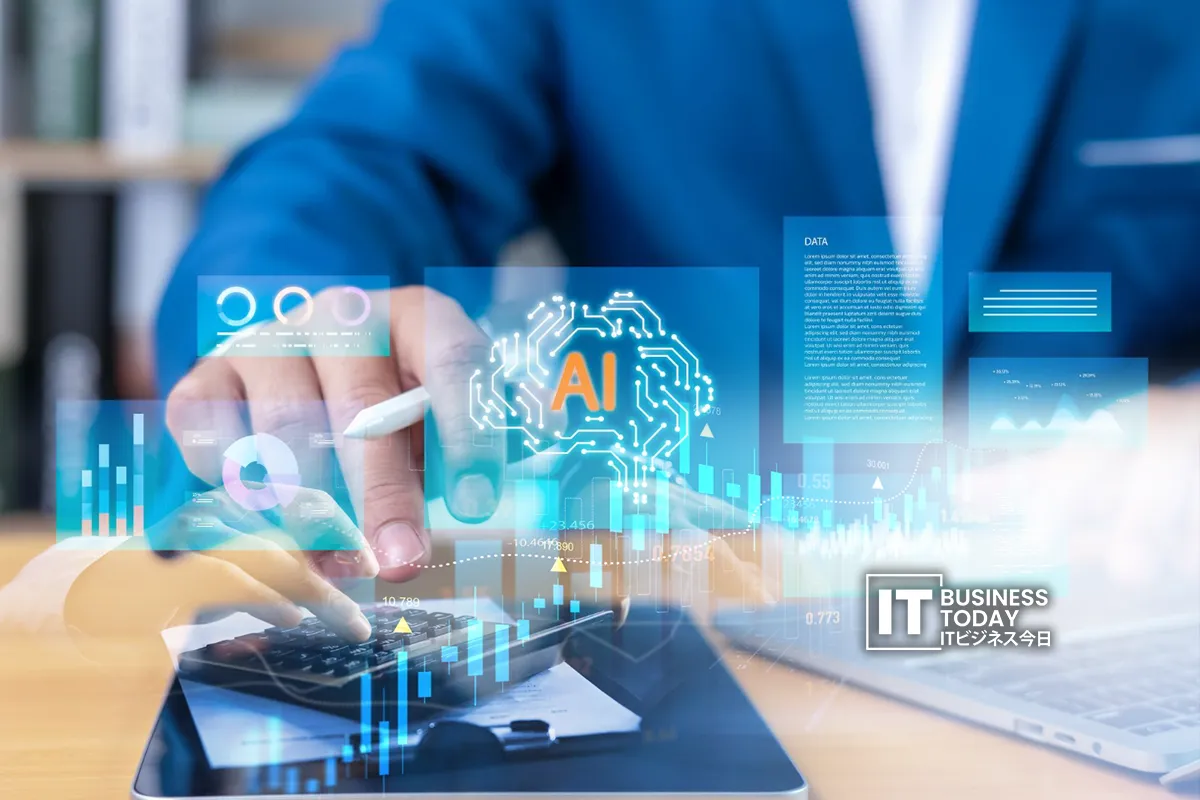 ここで、自律型金融は、通常の金融自動化よりもはるかに興味深いものとなります。.
請求書の処理を10分短縮できるのは有益です。しかし、CFOが次にどこで資金繰りの逼迫が生じる可能性があるかを理解できるよう支援することの方が、はるかに価値があります。.
予測は、その代表的な分野の一つです。AIを活用すれば、より多くの情報を集約し、パターンを特定し、財務チームが意思決定を行う前にさまざまな仮定を検証するのを支援することができます。予測を、数週間ごとに更新されるだけの静的な文書として扱うのではなく、財務部門はそれを、より「生き生きとした」意思決定ツールとして活用することができるのです。.
資本配分においても、同様の変化が有益となる可能性があります。機械学習を活用することで、従来の報告サイクルでは明らかになりにくい、事業部門の業績、コスト、資産活用状況におけるパターンを浮き彫りにすることができます。これにより、システムは、どの分野にリソースを重点的に配分すべきか、またどの分野への継続的な支出を見直すべきかについて、提言を行うことが可能になります。.
リスク管理も変化しています。従来の監査では、多くの場合、どこに問題があったかを企業に指摘するにとどまります。一方、自律型財務管理は、まだ対策を講じる余裕があるうちに、異常な動きに気づくことを目指しています。.
ビジネスケースも、実験段階を超えて進展しつつあります。マイクロソフトが引用したIDCの調査によると、, 84% 金融サービス企業の多くは、AIエージェントが新たな企業機能層として台頭しつつあることに同意しました。エージェント型AIを導入している組織では、ROIが2.3倍に達し、平均回収期間は約13ヶ月でした。また、80%以上の企業が、ビジネスプロセスの自動化に向けたカスタマイズされたAIエージェントを、IT投資が大幅に増加した分野として挙げています。.
数字も重要ですが、それ以上に重要なのは、その背後にあるメッセージです。. AIエージェント これらは、もはや単なる孤立したソフトウェア機能ではなく、企業の運営モデルの一部として扱われるようになってきています。.
だからこそ、自律型金融をめぐる戦略的な議論は、生産性の話だけで終わらせてはならないのです。.
むしろ問うべきは、金融業界がより良い意思決定を、より早い段階で下せるかどうかということです。.
実社会での活用とビジネスへの影響
自律型金融が、人々がすでに慣れ親しんでいる金融プロセスに組み込まれると、その実用的な事例がより明確になります。.
「調達から支払(Procure-to-Pay)」を例に挙げましょう。三者照合は有用ですが、画一的な照合プロセスでは、例外的なケースへの対応が依然として困難です。インテリジェントなシステムであれば、請求書、発注書、受領書、仕入先の実績、および関連する状況を総合的に検討した上で、その取引をそのまま進めるべきか、それとも再確認が必要かを判断することができます。.
「受注から入金まで」のプロセスにおいても、同様の機会があります。与信リスクの管理は、定期的な作業にとどめる必要はありません。AIを活用すれば、支払いの動向やその他の兆候を分析し、財務部門が注意を要する可能性のある取引先を特定する手助けとなります。また、すべての顧客に同じ督促の手順を送るのではなく、より的を絞った回収活動が可能になります。.
さらに、「Record-to-Report」という領域があり、そこにはより大きな成果が待っています。決算業務は、照合、仕訳入力、レビュー、承認、および例外処理に依存しています。これらの業務が連携されていない場合、財務部門は情報の追跡に多大な時間を費やすことになります。「自律型財務」は、その一連のプロセスを連携させ、定型業務を自動で処理しつつ、異常なケースのみを担当者に引き継ぐことができます。.
目標は、すべての企業が突然、完璧な継続的決算を達成できるかのように装うことではありません。より現実的な方向性としては、報告サイクルの終了を待たなくても、何に注意を払うべきかが分かるような財務運営を目指すことです。.
IBMが2026年5月に発表した調査では、この広範な変化を数値で裏付けています。AIの導入実績が豊富な企業では、総財務コストが中央値で8%削減され、最大で 18% AIが、サイロ化されたユースケースではなく、エンドツーエンドのプロセスに組み込まれた場合。.
その最後の部分が、CFOが特に注目すべき点です。.
互いに連携していないAIツールを寄せ集めただけでは、個々の従業員の業務効率は向上するかもしれませんが、エンドツーエンドのインテリジェンスを導入することで、財務部門そのものの運営方法そのものを変革することができます。.
導入における課題の克服とガバナンス
自律型金融には、もっと注目すべき気掛かりな側面があります。金融システムは、機密情報や規制されたプロセス、そして誤った結果が現実的な影響を及ぼしかねない意思決定を扱っているからです。.
OECDの2026年 work 金融分野におけるAIの監督に関する報告書は、モデルの出力の不備、データ漏洩、サイバー攻撃、不正行為、相互関連性、および第三者プロバイダーへの依存といったリスクを浮き彫りにしています。また、新技術への期待感の高まりの中で見落とされがちな重要な点を指摘しています。AIが関与しているからといって、既存の金融規制がなくなるわけではありません。.
つまり、ガバナンスは導入後に後付けで導入することはできないということです。.
財務部門の責任者には、明確なデータアクセス権限、監査証跡、承認基準、およびエスカレーションルールが必要です。また、AIシステムがいつ処理を停止し、人間に確認を求めるべきかを知る必要もあります。.
だからこそ、「ヒューマン・イン・ザ・ループ」設計が重要になるのです。自律型金融は、不必要な待ち時間をなくすべきであり、説明責任をなくすべきではありません。.
CFOは、日常的な業務のすべてを承認する必要はありません。しかし、高額な資本に関する決定、通常とは異なる取引、あるいは重大な財務リスクについては、人の判断が求められます。.
より賢明なモデルとは、人間対機械という構図ではありません。それは、機械がより多くの日常的な推論を処理し、人間が実際に重要な意思決定の責任を担うというものです。.
CFOのための戦略的ロードマップ
まずは、データの整備状況とレガシー技術による技術的負債の把握から始めましょう。財務データが連携していないシステムに分散している場合、AIがその実力を証明する機会さえ得られないうちに、自律型財務は行き詰まってしまうでしょう。.
次に、摩擦が大きく、リスクの低いワークフローを試験的に導入しましょう。課題が明確で、成果が測定可能であり、ミスの影響を限定できるプロセスを選びます。照合、異常検知、および特定の買掛金処理ワークフローは、適切な着手点となります。.
その後、以下の式を用いてスケール調整を行います。 ガバナンス すでに整備されています。誰が何を承認できるか、どのような場合にエスカレーションが必要か、決定事項はどのように記録されるか、そして誰が責任を負うかを明確に定義してください。.
「最も野心的なユースケースが印象的に聞こえるからといって、そこから始めようとするのは間違いです。」.
そのビジネスが実際に抱えている問題から始めましょう。.
財務部門には、今やより大きな役割が求められています
自律型金融は、しばしば自動化の次の段階として紹介されます。しかし、その説明は視野が狭すぎます。.
真の変化は、企業内における財務部門の役割に起こっています。システムが情報を処理し、パターンを認識し、例外事象について推論を行い、承認されたワークフローを前進させることができるようになれば、財務部門はもはや「昨日の数字を説明するだけの部署」であり続ける必要はなくなります。.
しかし、統制を伴わない自律性は、変革とは言えません。それは、新たなリスクの要因となるのです。.
勝者となるのは、必ずしもAIを最も多く導入した企業とは限りません。勝者となるのは、自律化がどこで価値を生み出し、どこで人間の判断が依然として重要であり、そしてコントロールを失うことなくその両者をどのように結びつけるかを理解している企業です。.
CFOにとって、出発点は実務的なものです。現状を精査し、 ファイナンス テクノロジースタック。時間がかかりすぎる意思決定を見つけ出してください。そして、「AIでこれを自動化できるか?」という質問よりも、さらに踏み込んだ問いを投げかけてみてください。‘
それが、ビジネスにおいてより良い意思決定を行うのに役立つかどうかを尋ねてください。.



 日本語
日本語